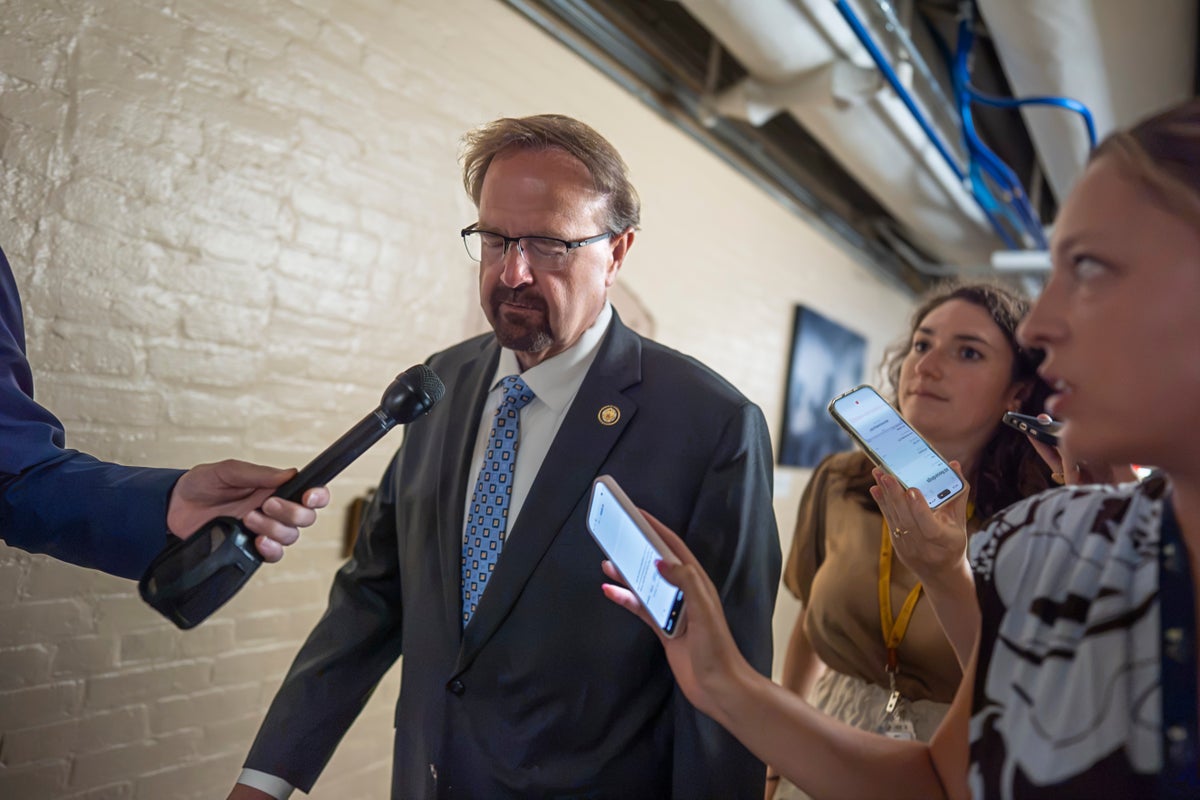
The United States House of Representatives recently voted 413-2 to censure North Carolina Republican Representative Chuck Edwards, bringing a multi-month ethics investigation into sharp, uncomfortable focus. Beneath the surface of the bipartisan condemnation lies an institutional failure much older than the current congressional roster. Power dynamics on Capitol Hill have long shielded predatory behavior behind a wall of procedural opacity, non-disclosure agreements, and informal social hierarchies. When the House Ethics Committee finally published its deep dive into Edwards' conduct toward two junior female aides, it did not merely expose an isolated bad actor. It illuminated a structural rot that leadership across both parties treats as an inconvenient hazard rather than a systemic emergency.
For months, the investigative body combed through nearly 1,500 pages of documents and interviewed sixteen witnesses to trace a pattern of boundary violations. Investigators documented how Edwards showered his subordinates with designer goods, luxury trips, deeply personal letters, and poetry, while skipping legislative votes to decorate a staffer's Christmas tree. The defense offered by the congressman—that poetry and affection do not constitute illegal sexual harassment under a strict legal definition—misses the fundamental point of the inquiry. The crisis is not merely about whether a specific statutory threshold of harassment was crossed. The core pathology is the total absence of structural protection for young, ambitious staffers whose career advancement depends entirely on the whims of a single elected official.
Capitol Hill operates as a feudal fiefdom. Members of Congress wield near-absolute control over hiring, firing, and daily working conditions within their personal offices. Human resources departments in the legislative branch historically function to protect the institution from liability rather than to advocate for vulnerable employees. When an employer can dictate every facet of a subordinate's professional survival, normal workplace boundaries dissolve. The investigative findings detailed private dinners, intrusive text messaging, and an inescapable environment where professional duties were systematically subordinated to personal demands.
The political fallout was swift, driven less by sudden moral awakening than by electoral survival math. Faced with an unwinnable primary and public exposure, Edwards dropped his re-election campaign. Yet, the mechanism of censure itself remains largely performative. A congressional censure carries no loss of seniority, no forfeiture of salary, and no structural reform. It is a ritualized wrist-slap designed to allow lawmakers to claim they police their own, while leaving the underlying ecosystem entirely intact. Only two members voted against the measure: Ralph Norman of South Carolina and Edwards himself. The near-unanimous approval served as political cover for a body desperate to project accountability during a turbulent election cycle.
This episode is part of a broader reckoning that has forced several congressional resignations over personal misconduct. The frequency of these scandals points to an underlying cultural resistance to modernization. While corporate America spent the last decade overhauling compliance mechanisms and flattening hierarchies, the federal legislature remains insulated by constitutional separation of powers and institutional arrogance. Members write the laws governing the rest of the nation's workplaces, yet exempt themselves from the most rigorous enforcement mechanisms.
True reform requires dismantling the absolute authority individual representatives hold over their personal office staffs. Until independent oversight bodies outside the control of congressional leadership manage staff grievances, the Capitol cloakroom will continue to double as a private hunting ground.
House censures NC Republican over allegations of inappropriate behavior with staffers
This broadcast segment breaks down the bipartisan vote and details the specific findings released by the House Ethics Committee regarding the workplace misconduct investigation.
http://googleusercontent.com/youtube_content/1