Christian communities in Jerusalem face an escalating campaign of intimidation, property disputes, and socio-political pressure that threatens their historical presence in the Old City. This multi-layered phenomenon involves radical nationalist groups, complex real-estate transactions dating back decades, and municipal zoning disputes that squeeze religious institutions from multiple directions. Far from a simple narrative of religious persecution, the reality on the ground is a grinding administrative, legal, and social squeeze driven by demographic shifts and hyper-nationalist agendas.
Years spent covering the alleyways of the Old City reveal a pattern. The rhetoric changes, but the mechanics remain consistent.
The Real Estate Mechanics Behind the Squeeze
Property ownership in Jerusalem operates under a Byzantine legal framework. Ottoman, British Mandate, Jordanian, and Israeli laws overlap, creating vulnerabilities that well-funded nationalist organizations exploit.
Church patriarchates own massive tracts of prime real estate throughout Jerusalem. These holdings represent centuries of endowments, holy sites, and residential compounds. When these leases expire or face legal challenges, the friction begins.
Organizations dedicated to increasing Jewish presence in East Jerusalem target these properties through opaque corporate entities and offshore accounts. They acquire long-term leases through intermediaries, bypassing direct church oversight.
- Patriarchates often lease land under centuries-old agreements.
- Shell companies purchase residual rights.
- Legal battles stretch across decades in municipal courts.
The St. John's Hostel case near the Jaffa Gate serves as a prime example of this dynamic. Greek Orthodox church leaders fought protracted legal battles against acquisition attempts by nationalist groups. The dispute exposed internal church fractures and external political pressures. When buildings change hands, the demographic balance of the Christian Quarter shifts irrevocably.
Vandalism and Social Intimidation on the Streets
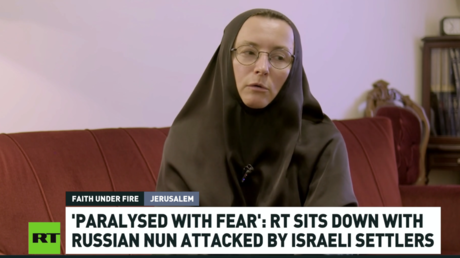
Legal maneuvering is only one vector of pressure. Clergy and pilgrims walking through the Old City encounter a steady stream of harassment. Spitting incidents targeting clergy have surged over recent years. While authorities occasionally arrest perpetrators, community leaders argue that the response lacks systemic urgency.
Radical fringe groups view non-Jewish religious presence in the public sphere as an affront. Young men affiliated with extremist factions frequently target Christian processions, monasteries, and cemeteries.
"We are treated as temporary guests in our own ancestral homes," notes a senior clergyman who spoke on condition of anonymity due to security concerns. "Every permit request becomes a political battle. Every act of vandalism is dismissed as the work of isolated youth rather than a coordinated climate of hostility."
Graffiti bearing anti-Christian slogans appears regularly on convent walls and church doors on Mount Zion. Security cameras capture the acts, yet indictments remain rare. This impunity emboldens the perpetrators and deepens the sense of isolation among local believers.
Municipal Bureaucracy as a Weapon
Direct confrontation is loud, but bureaucratic attrition is quieter and far more effective. The Jerusalem municipality exercises immense control over building permits, tax exemptions, and infrastructure maintenance.
Christian institutions report systematic difficulties in obtaining permits for routine maintenance, school expansions, and housing for growing families. Meanwhile, neighboring projects favored by municipal planners receive expedited approvals.
Tax disputes further drain church resources. The municipality periodically attempts to levy commercial property taxes on institutions previously granted historic exemptions. While these moves are often walked back following international diplomatic intervention, the constant threat of financial ruin forces church leaders into defensive postures. They spend money on legal defense rather than community development, education, or social services.
The Shrinking Demographic Footprint
Numbers tell an unambiguous story. At the turn of the twentieth century, Christians formed a substantial portion of Jerusalem's population. Today, they number roughly fifteen thousand souls across the entire city, representing less than two percent of the total municipal population.
Emigration driven by economic stagnation, political instability, and social pressure accelerates this decline. Young Christian Jerusalemites face limited job prospects and housing shortages inside the walls of the Old City. Many choose to leave for Europe, North America, or Amman.
Those who remain find themselves caught between an increasingly assertive Jewish nationalist majority and a dominant Palestinian Muslim society. This double minority status leaves them with few political allies. Neither side of the broader national conflict prioritizes Christian preservation.
The Geopolitical Blind Spot
International actors frequently express concern over the status of holy sites, yet their focus remains narrow. They react to physical attacks on churches or high-profile property takeovers, but ignore the structural conditions enabling them.
Diplomatic pressure from Western nations often lacks teeth. Local authorities brush off statements of concern as external interference in sovereign legal matters. The patriarchates, divided by historical theological schisms, struggle to present a unified political front. Greek Orthodox, Armenian, Latin Catholic, and smaller Protestant denominations often compete rather than cooperate when facing municipal pressure.
Change requires more than occasional diplomatic reprimands. It demands sustained international oversight of real-estate transparency, rigorous enforcement of hate-crime laws regardless of the perpetrator's ideology, and a complete overhaul of how municipal zoning treats historic religious communities.
The ancient bells of the Old City still ring across the stone walls every morning. Fewer people now remain to hear them, and those who do look toward the horizon with quiet anxiety.