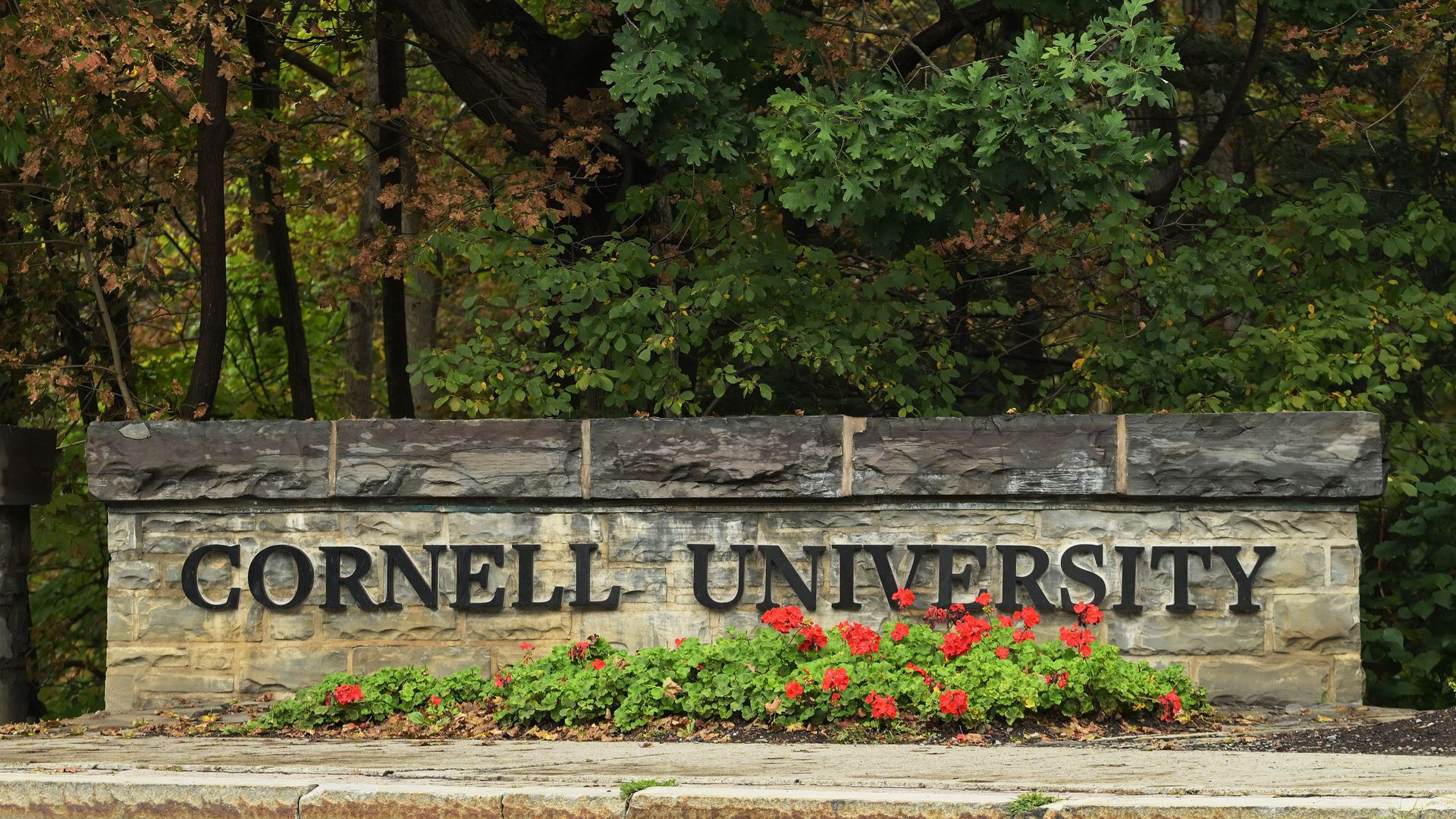
When Cornell University announced a sweeping moratorium on fraternity social events following allegations of a gang rape at a recognized chapter house, the reaction across the Ithaca campus followed a familiar, exhausting script. Administrators issued stern statements about institutional values and safety protocols. Student leaders grappled with the collective punishment of organizations while victims and advocates pointed out that temporary bans treat symptoms rather than the root pathology. This recurring cycle highlights a profound institutional failure across American higher education, where Greek life accountability remains an elusive goal weighed down by tradition, liability management, and entrenched campus hierarchies.
To understand why suspending fraternity parties fails to solve the broader crisis, one must examine how these social structures operate within the modern university ecosystem. Cornell is hardly an isolated case. From Dartmouth to Stanford, elite institutions have repeatedly cycled through freezes, probations, and derecognitions of Greek chapters in response to high-profile trauma. Yet, the underlying conditions enabling sexual assault persist. The structural issue is not merely the presence of a fraternity house or the serving of alcohol; it is an organizational culture built on insularity, power imbalances, and minimal external oversight during high-risk social gatherings. If you liked this post, you might want to look at: this related article.
The Anatomy of Institutional Reaction
Universities facing sudden public scrutiny operate under a distinct set of operational imperatives. Crisis management takes precedence over deep structural reform. When allegations surface regarding severe misconduct at a fraternity, administrators face immediate pressure from student bodies, alumni donors, and regulatory bodies such as the Department of Education under Title IX compliance frameworks. A blanket ban on fraternity social events serves an immediate public relations function. It signals decisive action, curtails immediate risk liability, and dampens the velocity of negative news cycles.
However, experienced higher education analysts note the profound limitations of this approach. Prohibiting official events does not eliminate social gatherings; it merely drives them underground. When chapters lose their licensed social privileges, functions migrate to off-campus apartments, unregulated annexes, and private housing where university jurisdiction is murky and safety monitors are entirely absent. By pushing social life into shadow spaces, universities often inadvertently increase the vulnerability of attendees who rely on organized risk-reduction measures within chapter facilities. For another perspective on this story, refer to the recent coverage from The Guardian.
The disciplinary apparatus governing fraternities is similarly fraught with internal contradictions. National fraternity headquarters often maintain distant relationships with local chapters, prioritizing liability mitigation over behavioral enforcement. Meanwhile, university office structures dedicated to fraternity and sorority life are frequently understaffed, placing them in the difficult position of policing organizations that contribute significantly to alumni networking pipelines and donor contributions. This structural tension creates a permissive environment where minor infractions go unaddressed until a catastrophic failure forces public intervention.
The Economics and Power Dynamics of Greek Life
Fraternities at selective residential universities function as more than just social clubs. They represent entrenched economic and social power centers. Membership often correlates with access to elite social networks, professional pipelines, and campus leadership positions. This concentration of influence creates an asymmetrical power dynamic between members and the broader student body, particularly incoming first-year students navigating an unfamiliar social landscape.
Power asymmetry is a primary driver of risk. When a specific group holds a monopoly on desirable social space and weekend events, individual accountability dissolves within the collective identity of the organization. The architecture of many fraternity houses compounds this dynamic. Isolated rooms, controlled entry points, and closed-door environments provide both physical barriers and social cover for predatory behavior.
Efforts to reform these spaces through educational programming, mandatory bystander intervention workshops, and consent seminars have yielded mixed empirical results. While awareness has undoubtedly increased, traditional training modules often treat interpersonal violence as an individual ethical failure rather than a systemic institutional issue. A one-hour lecture cannot dismantle a multi-year acculturation process that normalizes boundary violations, heavy substance consumption, and peer group silence.
Beyond the Moratorium
Addressing the systemic failures exposed by the Cornell investigation requires moving past the theater of temporary bans. Effective institutional change demands a fundamental redesign of how universities manage residential social life and enforce accountability.
First, universities must dismantle the monopoly that insular student organizations hold over campus social infrastructure. By investing in diverse, university-sponsored, and professionally managed social venues, institutions can dilute the concentration of power and risk currently vested in private chapter houses. When students have access to open, well-regulated spaces that do not rely on exclusionary membership criteria, the coercive leverage of traditional Greek organizations diminishes significantly.
Second, transparency and disciplinary tracking must be fundamentally overhauled. Too often, fraternity infractions are handled through opaque internal judicial boards or confidential university settlements. Publicizing specific violations, establishing clear thresholds for permanent charter revocation, and removing the veil of secrecy surrounding past organizational misconduct would empower prospective members and parents to make informed choices. Accountability cannot function behind closed doors.
Finally, the legal and administrative relationship between universities and Greek organizations requires structural clarity. If institutions assert the right to discipline and regulate these chapters, they must bear the responsibility of rigorous, continuous oversight rather than reactive crisis control. Conversely, if universities cannot effectively monitor off-campus behavior and chapter houses, the fiction of institutional control should be replaced by clear legal boundaries and external law enforcement partnerships.
The recurring pattern of allegations, temporary suspensions, and eventual resumption of status reflects a profound failure of imagination among academic leaders. Until universities confront the economic, social, and structural realities that sustain predatory environments, these bans will remain ephemeral gestures, offering the illusion of safety while the underlying crisis continues unabated.