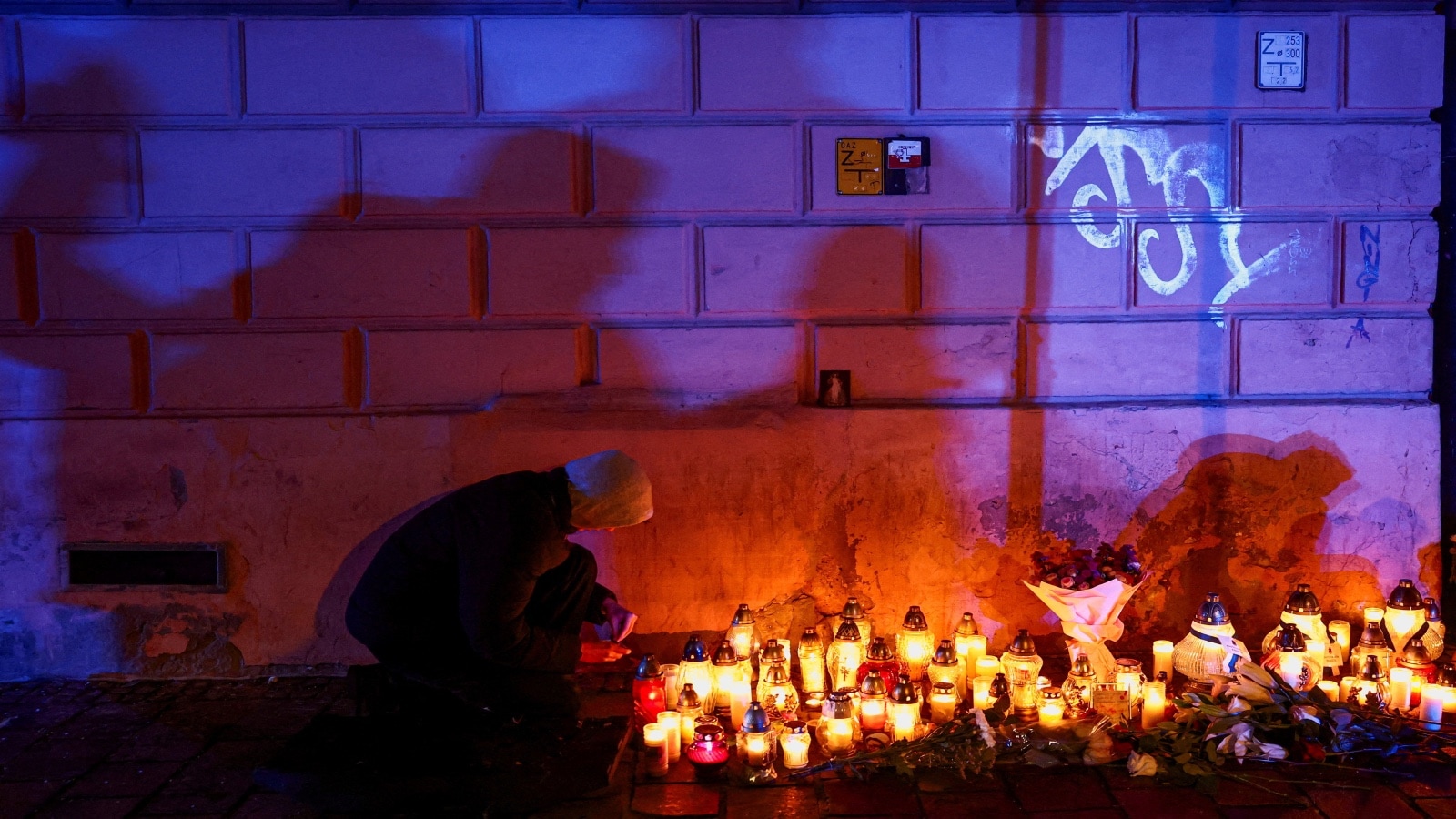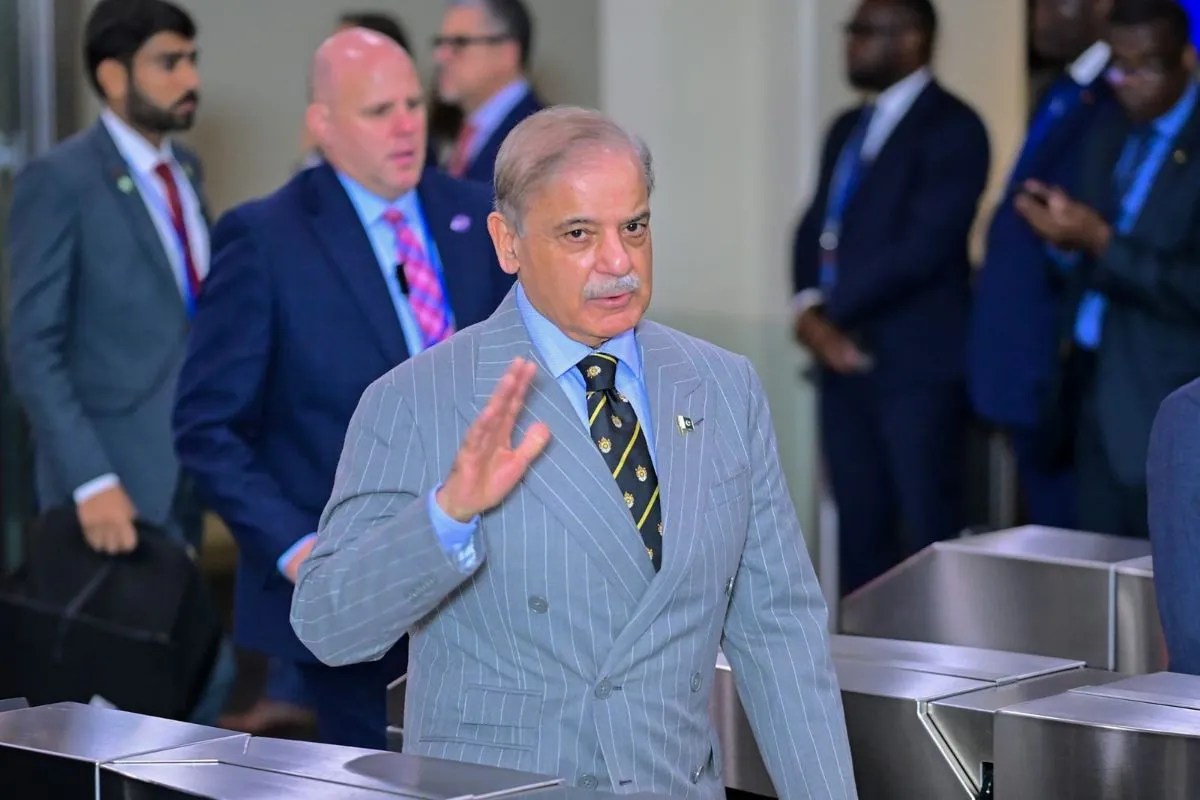
Prime Minister Shehbaz Sharif used his November 8, 2026 Diwali message to describe Pakistan's Hindu community as a valued and integral part of the nation's social fabric and development. Headlines quickly framed the statement as a sudden shift in tone from Islamabad.
They rarely ask what happens after the lamps are lit.
A festive greeting on the social media account of the Prime Minister's Office costs nothing. Real protection for religious minorities in Pakistan costs political capital, bureaucratic grit, and sustained institutional enforcement that has eluded successive governments for decades. When a leader praises the Hindu community as a national asset during a cultural holiday, observers have to look past the warm phrasing and examine the gap between ceremonial goodwill and daily reality on the ground.
I have watched South Asian politics long enough to know that festival diplomacy is a recurring ritual. Every year brings messages of light triumphing over darkness, interfaith harmony, and shared citizenship. Yet the gap between official rhetoric and lived experience remains wide enough to drive a truck through.
Why Diwali Messages Sound Familiar Yet Carry Different Weight
On November 8, 2026, Shehbaz Sharif extended felicitations to Hindus globally and specifically to those living in Pakistan, calling Diwali a celebration of peaceful coexistence and hope. Alongside him, President Asif Ali Zardari similarly emphasized interfaith harmony and equal citizenship, echoing Muhammad Ali Jinnah's August 11, 1947 address to the Constituent Assembly.
Look closely at the wording. Calling a minority group an integral part of the national fabric and a valuable social asset is standard diplomatic language for a prime minister managing both domestic optics and international scrutiny. Governments under economic strain or diplomatic pressure frequently lean on inclusive vocabulary to project stability and pluralism.
Still, context matters. In recent years, Islamabad has tried to pair celebratory messages with legislative steps, including parliament passing the National Commission for Minorities Bill in December 2025 and Sharif speaking on establishing an independent rights commission around National Minorities Day in August 2026. Whether those moves translate into enforceable authority rather than another committee on paper is the real test.
- Ceremonial inclusion gives minorities visible recognition on major calendar dates without altering local policing or court outcomes.
- Statutory institutions look impressive in press releases, yet their impact depends on funding, independence, and enforcement power.
- International perception often shapes the timing and tone of statements issued by federal leaders.
Numbers Behind the Hindu Community in Pakistan
Demographic data from Pakistan's 2023 census shows how small the non-Muslim share of the population actually is. Out of roughly 240.46 million people, non-Muslims accounted for about 3.65 percent, or around 8.77 million citizens, with Hindus making up 1.61 percent and Scheduled Castes another 0.56 percent.
Small numbers often create a double bind. Politicians can easily invoke minority citizens as proof of diversity when convenient, while local power brokers face little electoral penalty for ignoring grievances in districts where minority voters are a tiny fraction of the electorate.
Geography shapes those dynamics too. The largest concentrations of Hindus and Scheduled Castes live in Sindh, where economic livelihoods, land disputes, and local feudal hierarchies intersect with identity politics. A speech from Islamabad cannot rewrite local power structures in rural districts overnight.
| Community or Group | Approximate Share or Count (2023 Census) | Primary Geographic Concentration | Key Policy Friction Point |
|---|---|---|---|
| Hindus | 1.61% of total population | Sindh | Security, temple protection, local representation |
| Scheduled Castes | 0.56% of total population | Sindh | Economic vulnerability, social inclusion |
| Christians | 1.37% of total population | Punjab | Legal safeguards, equal opportunity |
| Other Non-Muslim Groups | Around 0.11% combined (Ahmadis, Sikhs, Parsis, others) | Scattered urban and regional hubs | Legal status, civil protections |
The Gap Between Warm Words and Daily Grievances
Here is where honest analysis has to hold two truths at once. Leaders in Islamabad do say inclusive things on holidays and national days. Minority activists and community voices across Pakistan continue to raise alarms about safety, legal vulnerabilities, and everyday discrimination.
At National Minorities Day gatherings in August 2026, speakers praised contributions by minority citizens in public life and defense while also warning that communities still feel insecure. Activists have repeatedly pointed to concerns over abductions of young girls, pressure around forced conversions and marriages, and fear of legal or social backlash.
To see how policy friction plays out in practice, consider a hypothetical example: a district police station receives a complaint involving a threatened family from a minority neighborhood. Even if federal ministers have issued strong statements on interfaith harmony weeks earlier, a local officer hesitant to confront influential local actors may delay action or push for an informal compromise instead of enforcing the law evenly. That gap between federal rhetoric and local policing is where trust breaks down.
Some analysts argue that public messages of goodwill still matter because they set a baseline norm from the top of the state. Fair enough. A prime minister openly wishing Hindus a happy Diwali and praising their role in the country is better than silence or hostility.
Yet words cannot substitute for prosecution, fair policing, and institutional accountability. If a state celebrates diversity in November while victims struggle for timely justice in February, skepticism among minorities is not cynicism. It is pattern recognition.
What Actually Tests Islamabad's Commitment
A single festive greeting does not prove a lasting political transformation. Nor does it deserve to be dismissed out of hand without checking whether anything concrete follows it.
Real accountability shows up in mundane, unglamorous places. It shows up in whether a minorities commission has real teeth to investigate complaints, whether job quotas and property protections are enforced rather than ignored, and whether local authorities act swiftly when threats occur.
- Institutional teeth: Independent oversight only works if a commission can summon records, track cases, and publish findings without political interference.
- Rule of law: Equal citizenship means laws against coercion, harassment, and property encroachment apply uniformly regardless of faith or local clout.
- Civic participation: Meaningful representation requires safe spaces for minority citizens to speak candidly without fear of retaliation.
If you want to keep track of follow-ups on this story or revisit past notes later, signing in to a Google Account makes it easier to save your chat history across sessions.
Watch what happens between holidays. When the lamps are packed away and the cameras move on to the next diplomatic crisis or parliamentary vote, the true measure of any pledge toward the Hindu community in Pakistan is whether ordinary citizens feel safer walking down their own streets.