The math of an epidemic is rarely clean, but the intersection of filovirus outbreaks and maternal health yields a uniquely devastating equation. During the fastest-growing Ebola outbreak in the Democratic Republic of Congo, deaths of pregnant women doubled. This surge exposed a structural failure that public health reporting often misses. When a pathogen like Ebola tears through Central Africa, healthcare systems do not simply bend; they fracture along existing fault lines of maternal care, institutional distrust, and supply chain fragility.
Maternal mortality during an epidemic is not merely a byproduct of viral load. It is the result of systemic collapse.
The Anatomy of Institutional Collapse
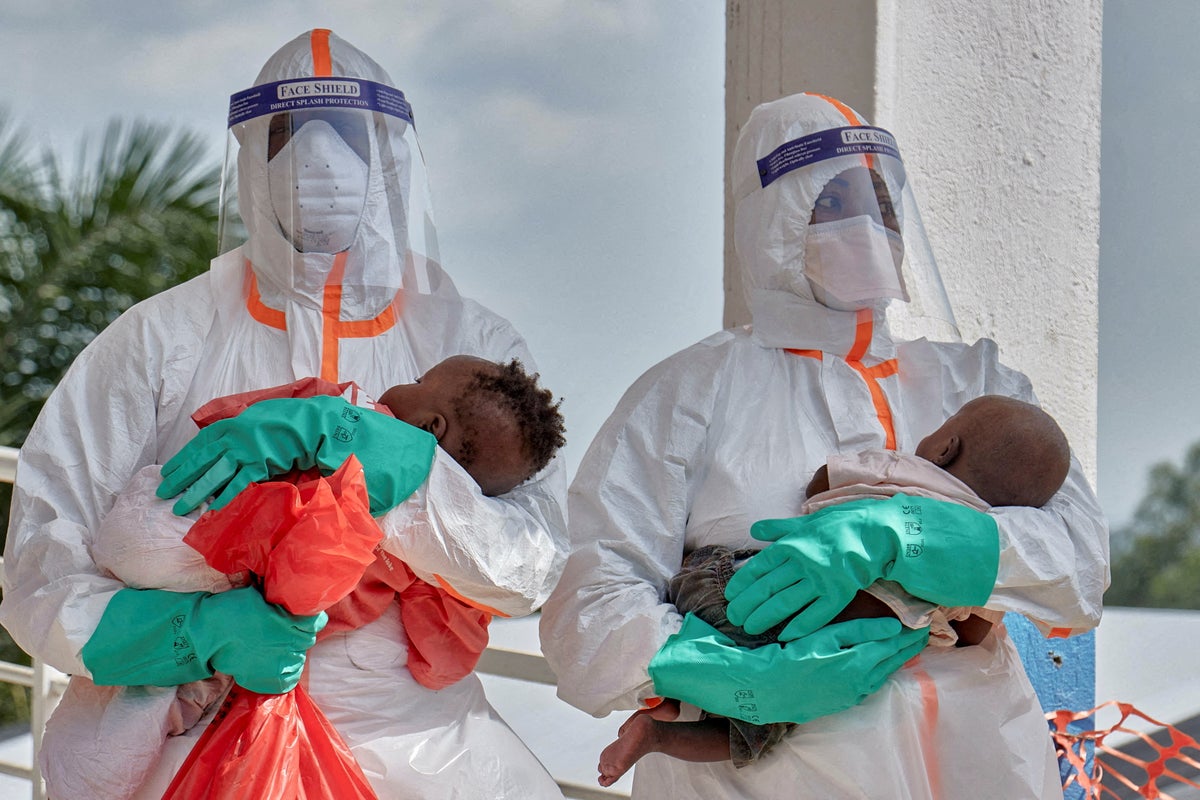
To understand why pregnant women bore the brunt of this outbreak, one must look closely at how treatment centers operate during a public health emergency. Ebola Treatment Units are engineered for biocontainment. They are fortresses of chlorine, plastic sheeting, and personal protective equipment, designed for a single purpose: stopping transmission.
Obstetric care requires the exact opposite. It demands tactile intervention, immediate physical proximity, and specialized surgical capacity.
When treatment facilities face an influx of hemorrhagic fever cases, normal maternity wards empty out. Fear keeps pregnant patients away from local clinics. Healthcare workers, themselves terrified of nosocomial infection, often hesitate to perform routine prenatal exams or emergency interventions without high-level containment gear that is frequently in short supply.
- Routine antenatal visits drop to near zero in active transmission zones.
- Emergency obstetric surgeries, such as cesarean sections, are delayed or refused out of fear of contagion.
- Community health workers report a sharp rise in unattended home births.
The result is a shadow mortality curve. While epidemiologists count the dead confirmed by PCR testing in centralized laboratories, women die quietly in villages and makeshift clinics from preventable complications like postpartum hemorrhage, eclampsia, and obstructed labor.
The Mechanics of Viral Transmission in Pregnancy
Why are pregnant women uniquely vulnerable to Ebola? The physiological changes of pregnancy complicate both infection and treatment.
Immunological suppression occurs naturally during gestation to protect the fetus from maternal immune rejection. This altered state reduces the body's capacity to mount a rapid defense against aggressive viral pathogens. When the Zaire ebolavirus invades, it replicates rapidly, overwhelming a compromised immune response.
Furthermore, the physiological burden of pregnancy places immense strain on the cardiovascular and renal systems. Ebola induces profound fluid loss, electrolyte imbalances, and multi-organ failure. A pregnant body struggling to maintain perfusion for two collapses much faster under viral assault than a non-pregnant body.
Pathological studies from past outbreaks confirm that the virus exhibits a high affinity for placental tissues. The placenta acts as a viral reservoir, leading to near-universal fetal loss. Even when a mother survives the acute phase of the disease, the physiological shock almost invariably results in miscarriage, stillbirth, or neonatal death if infection occurs vertically in utero.
The Cost of Community Distrust
Epidemics are won or lost in the community, not in Geneva or Kinshasa. Yet, the response in DR Congo frequently suffered from a profound deficit of local trust.
Decades of political instability, broken promises by international aid organizations, and the aggressive imposition of top-down infection control measures created a climate of deep suspicion. When burial teams in biohazard suits descended upon villages to enforce safe and dignified burials, communities often hid their sick.
For pregnant women, this dynamic proved fatal. If a woman experienced bleeding or fever, symptoms that overlap heavily between late-term pregnancy complications and filovirus infection, her family faced an agonizing choice. Call the medical response teams and risk forced isolation, or keep her at home and face certain tragedy.
Many chose silence. They sought help from traditional healers who lacked the means to manage viral hemorrhagic fevers or severe obstetric emergencies. By the time these patients arrived at a formal health facility, intervention was often mathematically impossible.
Shifting the Paradigm of Emergency Response
Standard international responses to Ebola rely on a playbook written decades ago: isolate the sick, trace contacts, and manage symptoms with supportive care. This approach treats infectious disease in a vacuum, ignoring the broader medical landscape.
If future outbreaks in regions with high fertility rates are to avoid repeating these grim statistics, the operational model must change.
Specialized obstetric units must be integrated directly into or placed immediately adjacent to primary Ebola treatment infrastructure. Pregnant women cannot be treated as an afterthought or an administrative burden to be transferred across impassable roads to distant provincial hospitals.
- Deploy mobile surgical units capable of emergency obstetric care within outbreak zones.
- Train rapid-response epidemiology teams to include certified midwives and obstetricians.
- Establish community-led triage systems that address maternal complications without triggering the panic associated with forced isolation.
Medical neutrality and community engagement must match the priority given to epidemiological containment. Without structural integration of maternal health services into emergency health responses, every future outbreak will exact the same hidden tax on mothers and infants.
The numbers from DR Congo serve as a permanent indictment of a siloed global health architecture. When the next outbreak hits, the measure of success cannot simply be the number of viral chains broken while the maternity wards empty out in the dark.