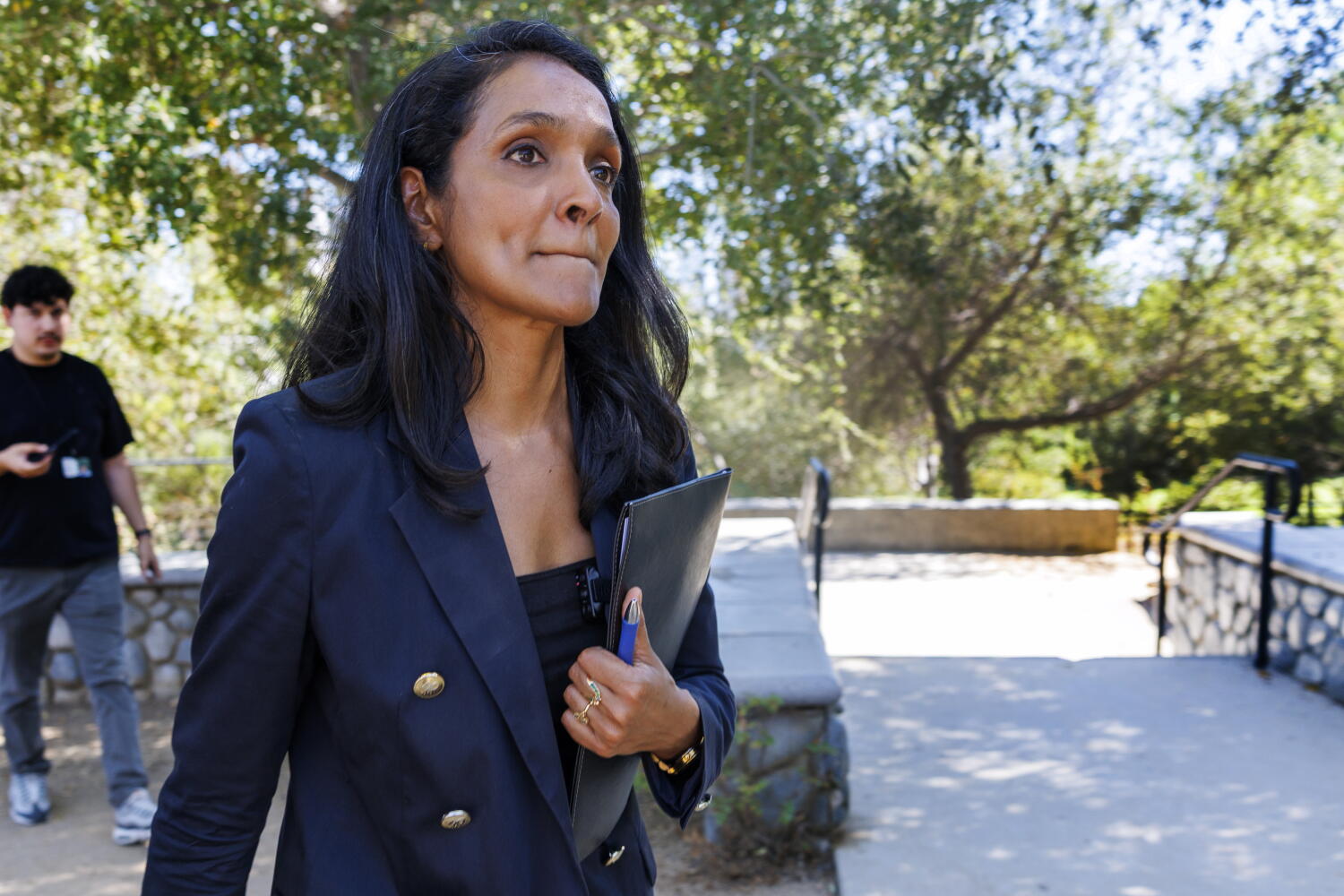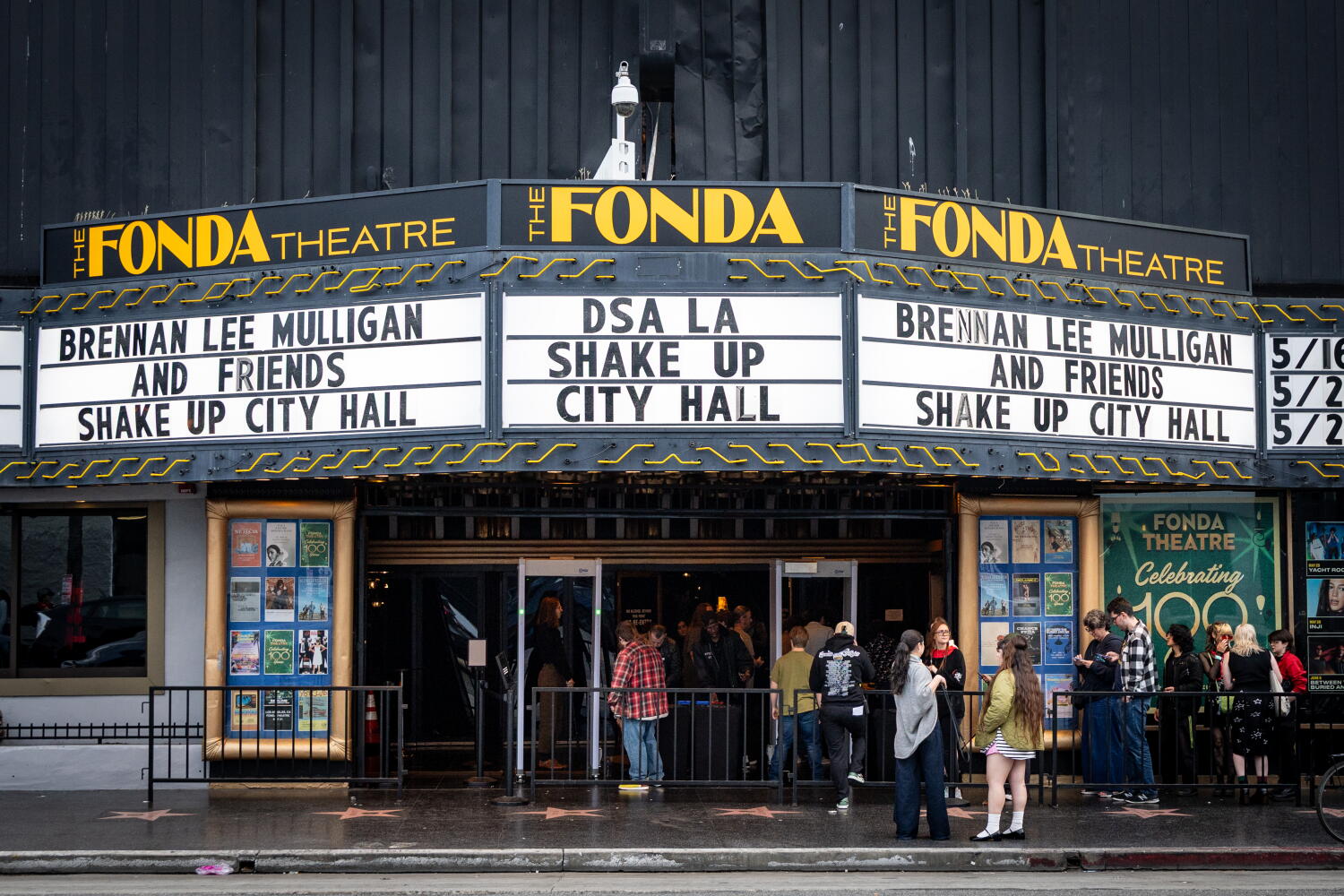
The Democratic Socialists of America in Los Angeles narrowly voted against rescinding their endorsement of Councilmember Nithya Raman in the race for Los Angeles mayor, exposing a deep ideological fracture inside the city’s most potent progressive organizing machine. While Raman kept the formal backing of DSA-LA, the razor-thin margin proves that governing from inside City Hall creates friction with an activist base demanding strict ideological purity.
Politics in Los Angeles rarely breaks cleanly along simple party lines. For decades, the city operated under a quiet consensus of moderate Democrats, real estate developers, and traditional public sector unions. Then came the progressive wave of 2020, which swept Nithya Raman into the District 4 City Council seat on the back of a relentless grassroots field operation led largely by DSA-LA. That victory was supposed to be the blueprint for transforming America’s second-largest city. Instead, the subsequent years of actual governance have tested the limits of what happens when an activist movement puts one of its own into the halls of power.
The Anatomy of a Fractured Coalition
To understand why a group would even consider pulling an endorsement from its highest-profile elected official in the middle of a major campaign, you have to understand how DSA-LA operates. Unlike traditional political endorsements handed down by small boards of directors or union bosses, DSA chapters run on participatory democracy. Every dues-paying member has a voice, and motions to endorse or rescind are debated fiercely in open forums before going to a membership-wide vote.
When Raman first ran for City Council, she was the ultimate outsider. She was an urban planner and homelessness advocate challenging an entrenched incumbent, David Ryu, who held massive institutional backing. DSA-LA mobilized hundreds of volunteers to knock on doors, make phone calls, and build a field apparatus that overwhelmed Ryu’s fundraising advantage. Raman won decisively.
Sitting in the horseshoe at City Hall changes the math. A councilmember represents hundreds of thousands of residents, many of whom do not share the worldview of socialist organizers. Governance requires compromise, budget negotiations, and procedural votes that rarely look clean from the outside. Over time, several of Raman’s votes and policy positions began to grate on the most uncompromising wing of her activist base.
The tension boiled over into a formal push to revoke her endorsement in the Los Angeles mayor's race. For the proponents of rescission, the endorsement is not a blank check or a reward for past loyalty. It is a tool of accountability. If a DSA-endorsed candidate drifts toward the political center or votes in ways that contradict the chapter's platform, keeping the endorsement dilutes what the organization stands for.
Where Governance Met Resistance
The friction between Raman and segments of DSA-LA did not emerge overnight. It accumulated through a series of high-stakes votes at City Hall involving policing, homelessness enforcement, and municipal budgets.
For socialist organizers, defunding the police and halting criminalization of unhoused residents are non-negotiable pillars. When Raman voted in favor of certain budget allocations that included funding for the Los Angeles Police Department, or when she took nuanced positions on street encampment clearings to balance constituent demands with housing outreach, critics inside the chapter saw a betrayal of core principles. They argued that a DSA candidate must use their platform to wage an uncompromising fight against the status quo, even if that means losing every council vote 14-to-1.
Raman’s defenders within the chapter saw the situation differently. They argued that politics is a war of position, not a purity test. Removing Raman’s endorsement would not magically produce a more radical mayor; it would simply kneecap the most progressive viable candidate in the race and hand momentum to establishment figures aligned with business interests and police unions.
This debate is hardly unique to Los Angeles. Across the country, from New York City to Chicago, DSA chapters have wrestled with the exact same dilemma. When Alexandria Ocasio-Cortez or Jamaal Bowman took votes in Congress that disappointed sections of the left—such as votes related to foreign policy or infrastructure bills—local chapters faced intense internal pressure to censure or un-endorse them. The Los Angeles vote over Nithya Raman is the latest chapter in a nationwide identity crisis for the American democratic socialist movement.
Why the Narrow Margin Matters More Than the Outcome
Raman survived the vote. On paper, she keeps the DSA-LA label, the institutional credibility it carries on the left, and access to its infrastructure. Yet in politics, how you win matters almost as much as winning itself. A narrow victory is a warning shot.
First, it signals an enthusiasm gap. Endorsements are only as valuable as the shoe leather behind them. In 2020, DSA-LA volunteers treated Raman’s campaign like a crusade. When half the membership actively wants to strip your endorsement, you cannot count on that same army of volunteers showing up on rainy Saturday mornings to knock on doors in the San Fernando Valley or Silver Lake. A reluctant endorsement yields reluctant canvassing.
Second, the public spectacle of the vote hands ammunition to Raman’s opponents. Moderate and conservative challengers in the Los Angeles mayor's race can now play a two-pronged attack. To centrist voters, they can still paint Raman as a card-carrying socialist backed by radicals. To progressive voters, they can point to the internal revolt as proof that even her own base does not trust her to deliver on her promises.
Third, the near-rescission limits Raman’s room to maneuver during the general election. Every mayor of Los Angeles has to build a broad coalition that stretches from the coastal neighborhoods of the Westside to the working-class corridors of South LA and the sprawling suburbs of the Valley. Winning citywide requires appealing to moderate homeowners, small business owners, and pragmatic voters who care more about basic city services than ideological theory. Knowing that her left flank is watching every move with a finger on the trigger makes it significantly harder for Raman to pivot toward the center without triggering another internal crisis.
The Mechanics of Power in Los Angeles
To grasp the stakes of this internal battle, it helps to look at how power actually functions in Los Angeles municipal politics. Los Angeles has a notoriously weak-mayor system compared to cities like New York or Chicago. The fifteen members of the City Council wield immense authority over land use, zoning, discretionary funds, and local policing in their districts. The mayor sets the tone, proposes the budget, appoints commissioners, and acts as the city’s chief executive, yet the mayor cannot govern without at least eight votes on the City Council.
Because of this structure, progressive organizers spent the last six years systematically targeting City Council seats to build a governing bloc. Alongside Raman, DSA-LA helped elect Eunisses Hernandez, Hugo Soto-Martinez, and Kenneth Mejia as City Controller. For the first time in modern history, an organized left-wing faction held real institutional leverage inside City Hall.
Moving from a council district to the mayor’s office is a massive leap in scale and responsibility. A councilmember can afford to be a thorn in the side of the establishment because they represent a specific slice of the city. A mayor has to run the entire machine. They have to negotiate contracts with powerful municipal unions, manage the Department of Water and Power, respond to federal mandates on homelessness, and answer for citywide crime statistics.
The skeptics inside DSA-LA recognized that the structural demands of the mayor’s office inevitably pull any occupant toward institutional compromise. Their push to rescind the endorsement was, in many ways, a preemptive acknowledgment that the mayor's office cannot be run like an activist collective. By narrowly voting to stick with Raman, the chapter decided that having an imperfect ally on the third floor of City Hall is still better than being locked out of the building entirely.
The Pragmatist Versus Purist Divide
What happened in that DSA-LA meeting room reflects a timeless tension in political organizing. Every insurgent movement eventually hits a wall where its ideals collide with the messy reality of governing a diverse population.
Purists argue that movements die when they lower their standards to accommodate politicians. In their view, the primary job of a socialist organization is to shift the Overton window—to pull the public debate to the left by refusing to compromise on core demands. If an elected official cannot hold the line, the organization must cut them loose to preserve its own integrity and credibility with the working class. History offers plenty of examples where left-wing movements swallowed their criticisms to support pragmatic politicians, only to watch those politicians govern like standard corporate Democrats once in office.
Pragmatists counter that purity without power is just a hobby. They point out that Los Angeles is facing historic crises in housing affordability, street homelessness, and municipal budget deficits. Leaving the mayor's office to establishment moderates backed by real estate lobbies and police unions guarantees that progressive policies will be dead on arrival. To the pragmatists, keeping Raman in the fold—and pushing her from the inside—is the only serious strategy for delivering material improvements to working people in Los Angeles.
Neither side is entirely wrong, which is why the vote came down to the wire. Both positions are rooted in real historical lessons. The tragedy for progressive organizers is that fighting this battle in public consumes the exact time, energy, and focus needed to defeat well-funded political adversaries.
What Happens Now on the Campaign Trail
With the rescission vote behind her, Raman faces the daunting task of uniting a fractured progressive base while simultaneously expanding her appeal across a sprawling metropolis of nearly four million people.
Her campaign cannot rely solely on DSA-LA’s field operation anymore. She will need to lean heavily on sympathetic labor unions, environmental groups, tenant organizations, and independent progressive clubs to fill any volunteer gaps left by disillusioned socialists. At the same time, she must convince skeptical voters across Los Angeles that her experience on the City Council has equipped her to manage a massive municipal bureaucracy without bowing to either corporate interests or ideological extremes.
For DSA-LA, the aftermath of the vote requires its own delicate balancing act. Having decided to keep the endorsement, the chapter’s leadership must now figure out how to mobilize a membership where a massive minority actively wanted to walk away from the candidate. In grassroots politics, you cannot force volunteers to care. If the chapter fails to turn out its base for Raman, it risks losing the very institutional influence it fought so hard to build over the past decade.
The narrow vote in Los Angeles proves that winning elections is only the opening act of political transformation. Holding a coalition together once the campaigning stops and the governing begins is infinitely harder, and the cracks showing inside DSA-LA suggest that the toughest fights for the city’s progressive movement are still ahead.