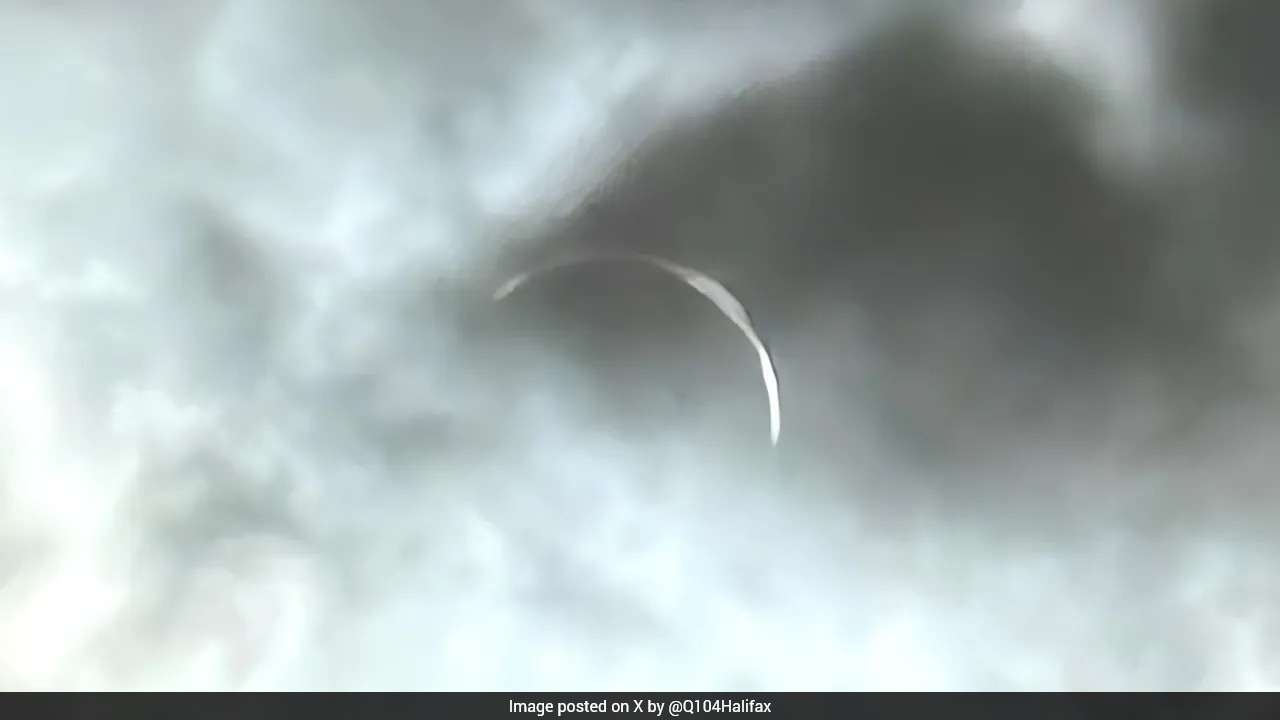
Crowds gather beneath the midnight sun in Iceland, trading everyday reality for transient communal utopias where celestial mechanics meet marine biology. The annual celestial gatherings in the sub-Arctic combine total solar eclipse tracking with unexpected marine conservation rituals, specifically focusing on local sea cucumber populations and cosmic optimism. Observers travel thousands of miles to remote volcanic fields for these events, seeking both astronomical alignment and ecological connection in a landscape shaped by glacial water and volcanic ash.
The Intersection of Astronomy and Marine Ecology
Solar eclipses draw travelers because they offer a rare alignment of the sun, moon, and Earth, plunging daylight into an eerie twilight. In Iceland, event organizers weave local marine ecosystems into this astronomical framework. Sea cucumbers play an essential role in benthic nutrient cycling, keeping the ocean floor clean by consuming detritus. Festival programmers decided years ago to highlight these unglamorous invertebrates as a symbol of ocean health during gatherings dedicated to cosmic wonders.
Participants engage in discussions about marine biology alongside stargazing sessions. Biologists stationed near coastal stages explain how bottom-dwelling creatures filter organic matter, stabilizing coastal waters against climate shifts. Attendees listen to scientific lectures while wearing eclipse glasses, bridging the gap between distant celestial bodies and the cold waters surrounding the island.
This strange pairing of astronomy and marine advocacy stems from a desire to ground ethereal experiences in local reality. Festivals in remote locations often face criticism for leaving environmental footprints. Organizers combat this perception by turning attention toward local conservation, framing the eclipse not just as a spectacle of light, but as a moment to evaluate human impact on marine life.
Rituals Beneath the Sub-Arctic Sky
Traditions at these gatherings range from quiet contemplation to communal chants directed at the ocean. As the moon slowly obscures the solar disk, silence falls over the lava fields. Some groups turn their backs on the sky during totality, facing the North Atlantic instead. They offer spoken wishes for the preservation of sea cucumbers and other vulnerable marine species, treating the celestial event as a rare window for collective intention.
Local fishermen and marine researchers sometimes lead these coastal gatherings. Their involvement brings authenticity to practices that might otherwise feel like performative tourism. By tying the unpredictable nature of solar alignments to the fragile balance of fjords and coastal shelves, the event forces visitors to confront ecological vulnerabilities that usually remain hidden beneath cold waves.
The atmosphere shifts abruptly when the diamond ring effect signals the return of direct sunlight. Cheers erupt, drums beat, and the focus swings back to the sky. Yet, the brief detour toward marine conservation lingers in conversations around campfires as night fails to truly arrive during the Icelandic summer.
Economic Realities of Remote Gatherings
Hosting large-scale festivals in sparsely populated volcanic regions requires meticulous logistical planning. Transporting generators, water, and waste management systems across rough terrain tests the limits of local infrastructure. Small coastal towns experience massive influxes of visitors, straining local resources while providing a short-term financial boost to local businesses.
Tour operators and municipal councils balance the commercial benefits of tourism with the ecological carrying capacity of the land. Restrictions on camping and strict waste-pack-out rules help protect sensitive moss-covered lava fields from permanent damage.
Critics argue that even with strict rules, mass gatherings disrupt nesting seabirds and delicate terrain. Environmental watchdogs monitor these events closely, demanding transparency from organizers regarding carbon offsets and waste disposal. The tension between economic opportunity and preservation defines every planning cycle, forcing organizers to justify their presence in vulnerable ecosystems.
The Psychology of Cosmic Tourism
Why do thousands travel to remote, windswept regions just to watch the sky darken for a few minutes? The answer lies in the psychological pull of awe. Modern life leaves little room for experiences that dwarf human scale. Total eclipses provide an undeniable reminder of vast cosmic scales, inducing a sense of shared humanity among strangers.
When combined with idiosyncratic local traditions like sea cucumber prayers, the experience becomes entirely unique. Participants return home with memories of an otherworldly landscape where science and ritual coexist. The memory of darkness at midday, paired with the image of benthic invertebrates filtering cold water, creates a lasting impression that standard vacations rarely match.
As commercial space tourism grows and earthly destinations become increasingly mapped and monitored, remote festivals offer a specific brand of isolation. They remind travelers of both the vastness of the universe above and the intricate, delicate web of life beneath the ocean surface. The crowds pack up their tents and depart when the midnight sun resumes its unbroken arc across the sky, leaving the volcanic shores quiet once more.