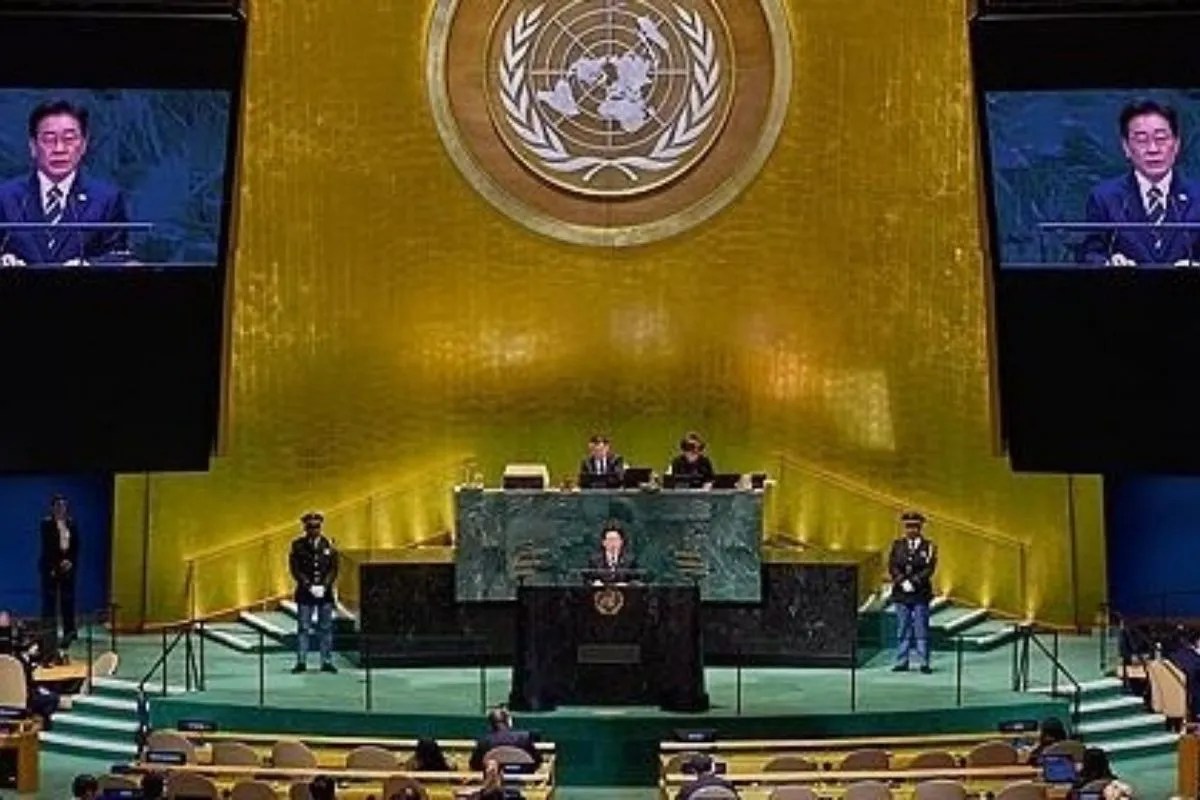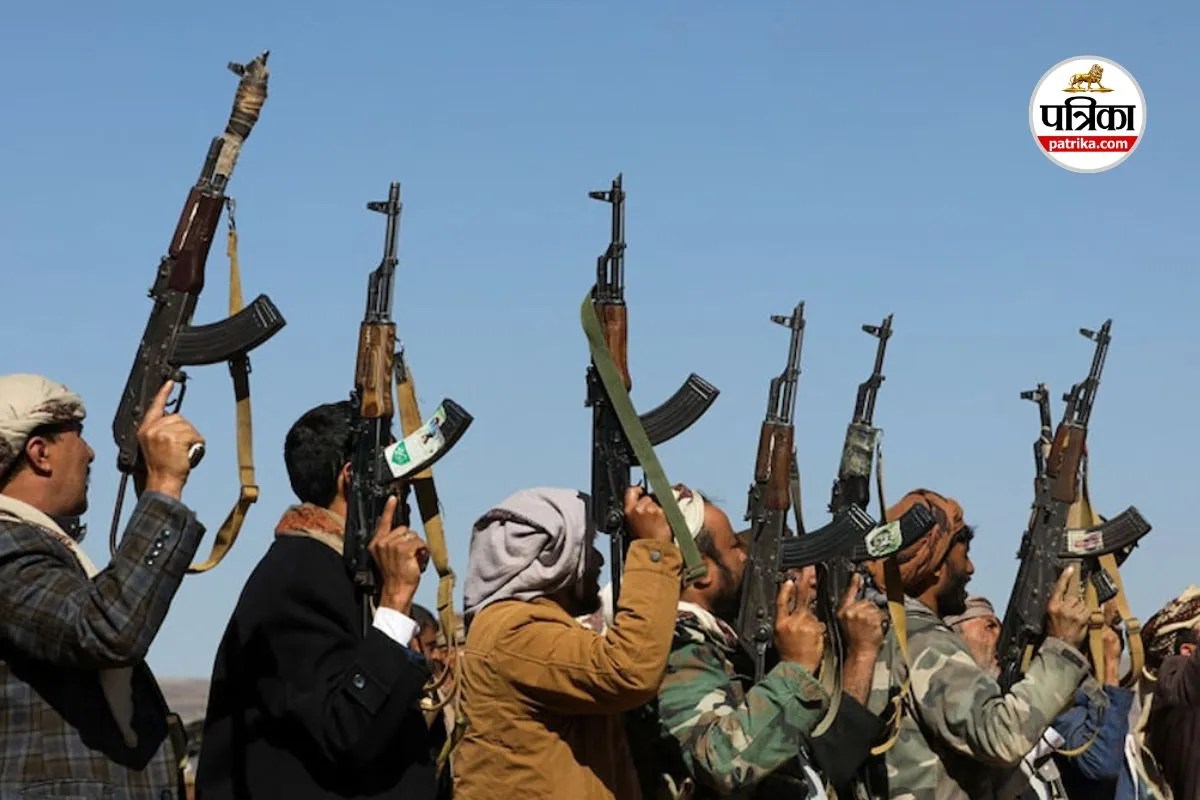
The European Parliament voted on October 22, 2026, to urge the European Union to designate Yemen's Houthi movement as a terrorist organization. That headline sounds decisive. It is not.
Lawmakers in Strasbourg passed a resolution asking the Council of the European Union to place the Houthis on the bloc's official terrorist list, freeze their financial assets, and dismantle their financing channels. Yet a parliamentary resolution does not put a single name on a binding sanctions list. Real legal power sits with the Council, where all 27 member states must reach agreement before a designation takes legal effect.
Anyone covering this story as a finished policy shift is missing the machinery underneath. A vote in parliament signals political pressure. Unanimity among 27 national capitals is a grind through legal files, diplomatic friction, and humanitarian trade-offs. Having watched Brussels wrestle with sanctions packages for decades, I know how wide the gap is between a loud floor vote and an enforceable asset freeze.
Why Strasbourg Moved When It Did
For years, European capitals treated the conflict in Yemen through a narrow prism of humanitarian relief and cautious diplomacy. Even as shipping lanes in the Red Sea and the Bab al-Mandab Strait came under sustained pressure, member states hesitated to match every escalation with formal terror listing.
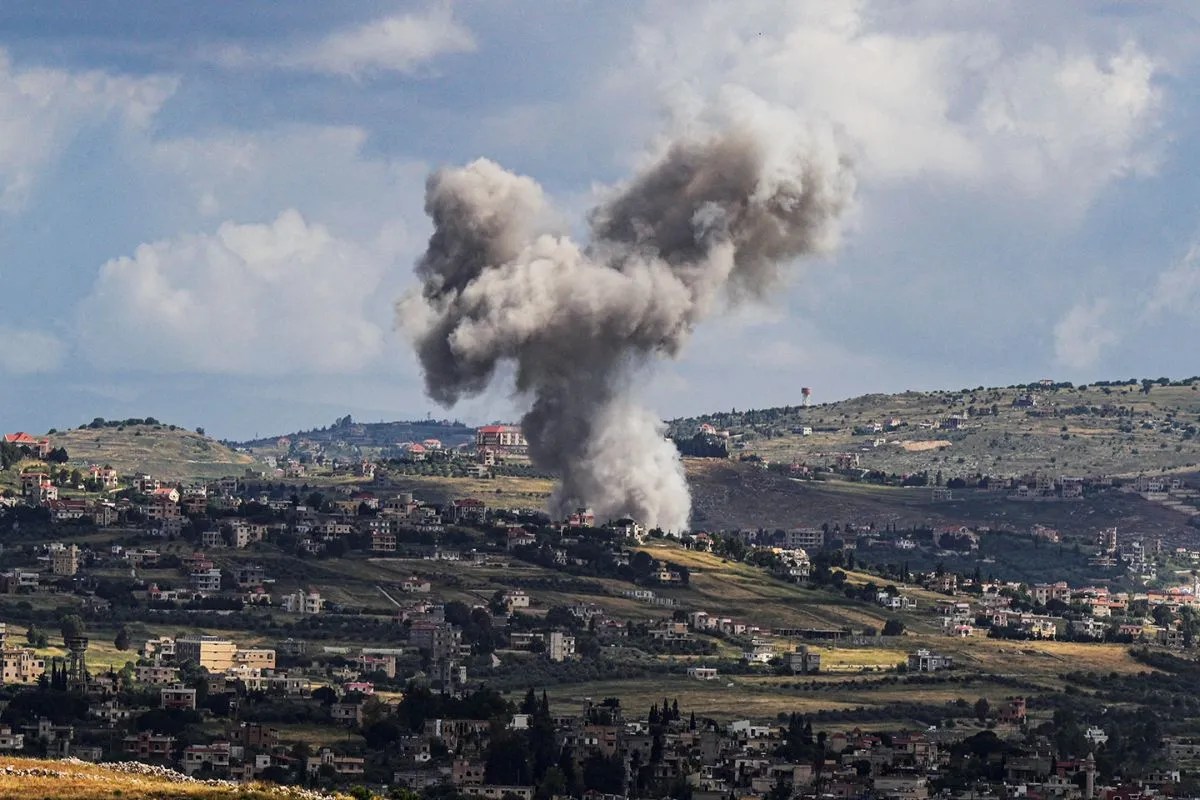
By autumn 2026, that restraint had worn thin. Ahead of the plenary debate on October 20, EU High Representative for Foreign Affairs and Security Policy Kaja Kallas addressed lawmakers and pointed to attacks on civilian infrastructure in Saudi Arabia and Yemen, including strikes affecting residential areas, Riyadh's King Khalid International Airport, and Aden's presidential palace. Regional escalation had moved beyond distant skirmishes. Energy facilities, commercial vessels, and Gulf security were all in the frame.
The October 22 resolution tied those threats together explicitly. It condemned missile and drone attacks targeting Saudi Arabia, denounced threats to Red Sea maritime trade, and called on member states to contribute additional naval and air assets to Operation Aspides, the EU's maritime security mission. Yemen's government welcomed the vote quickly, with Foreign Minister Afrah al-Zouba urging member states to turn the resolution into concrete policy and Parliament Speaker Sultan al-Barakani pressing Brussels to cut off weapons transfers and funding networks.
A parliamentary call sets the political weather in Brussels, but member states still control the legal lever that freezes a single euro.
Yet timing alone does not explain the vote. Lawmakers were also reacting to a wider regional pattern. The resolution singled out Iran for supplying weapons, missile and drone technology, training, and funding to the Houthis, while criticizing coordination between the Houthis, Hezbollah, and other Iran-backed armed groups. Seen from Brussels, the Red Sea is no longer an isolated maritime headache. It is part of a connected security problem stretching from the Gulf to the Levant.
The 27-Nation Bottleneck Inside Brussels
If the political language in Strasbourg sounded sharp, the legal path ahead is far slower. Under the EU's framework for restrictive measures against persons, groups, and entities involved in terrorist acts—a list maintained by the Council since December 2001—listing a group requires unanimous backing from member states.
Unanimity is a high bar in foreign policy. Every capital weighs its own commercial exposure, diplomatic channels, and legal standards of evidence before signing off on a listing. Even when governments agree on the threat in principle, lawyers and diplomats scrutinize evidentiary packages to ensure sanctions hold up against legal challenges in European courts.
There is also a practical enforcement question that rarely makes short news briefs. Freezing assets on paper is straightforward once a designation passes. Tracing and blocking informal financial channels, trade-based transfers, and facilitator networks outside European jurisdiction is much harder. A listing gives banks, customs authorities, and financial intelligence units sharper legal authority within the EU, yet enforcement outside Europe still depends on intelligence sharing and cooperation with regional partners.
What Listing Could Mean for Aid and Diplomacy
A formal terrorist designation carries consequences that ripple far beyond bank accounts. In conflict zones where a non-state movement exercises de facto control over territory and administration, sweeping sanctions can complicate humanitarian operations if aid groups fear legal liability or banking bottlenecks.
The October 22 resolution tried to address that tension directly. While urging a terror listing and asset freezes, lawmakers also voiced alarm over the worsening humanitarian situation in Yemen and called for more EU assistance, including through the forthcoming Global Europe instrument, paired with strict oversight of how funds are used.
Putting both demands in the same text highlights a real dilemma for European policymakers. Aid agencies need predictable banking channels and clear exemptions to deliver food, medicine, and basic services to civilians living under Houthi control. At the same time, governments want tighter controls so money or dual-use goods cannot be diverted to armed factions. Balancing strict oversight with rapid humanitarian delivery is easy to write into a resolution and hard to execute on the ground.
Consider a hypothetical scenario to see how that friction plays out in practice. Suppose a European non-governmental organization plans to ship medical supplies to a port or inland clinic in a Houthi-controlled area. Even if humanitarian exemptions exist under EU rules, compliance officers at commercial banks often apply extra caution—known in finance as de-risking—when a group faces terror designation debates or sanctions scrutiny. Transfers can slow down or stall even when the underlying transaction is lawful.
Diplomacy faces a similar test. European officials have long argued that durable stability in Yemen requires a political settlement alongside security measures. Hardening legal designations can sharpen leverage and signal solidarity with Gulf partners and Yemen's internationally recognized government, yet it can also narrow informal communication channels if talks ever reopen.
The Regional Chessboard Behind the Vote
To understand why this resolution matters beyond Yemen, look at who benefits and who pushes back. For Riyadh and Yemen's government, a stronger EU stance validates years of warnings about cross-border missile and drone attacks and maritime insecurity. Stronger European naval and air support for Operation Aspides also shares the burden of keeping commercial routes open through the Red Sea and Bab al-Mandab.
Tehran sits on the opposite side of that ledger. Friction between Iran and European capitals has been building across multiple fronts, including mutual designations and sharp rhetoric over regional security forces. By explicitly condemning Iran's role in arming and training the Houthis and calling for the disarmament and demobilization of militias and non-state armed groups, the European Parliament placed its weight squarely against Iran's regional network.
Still, a parliamentary resolution is an opening bid, not the final word. Watch whether the Council of the European Union actually puts a formal listing proposal on the table, how quickly all 27 member states align, and how Brussels pairs maritime security with real oversight of humanitarian aid. Until national governments act, the vote remains a strong political signal waiting for legal teeth.