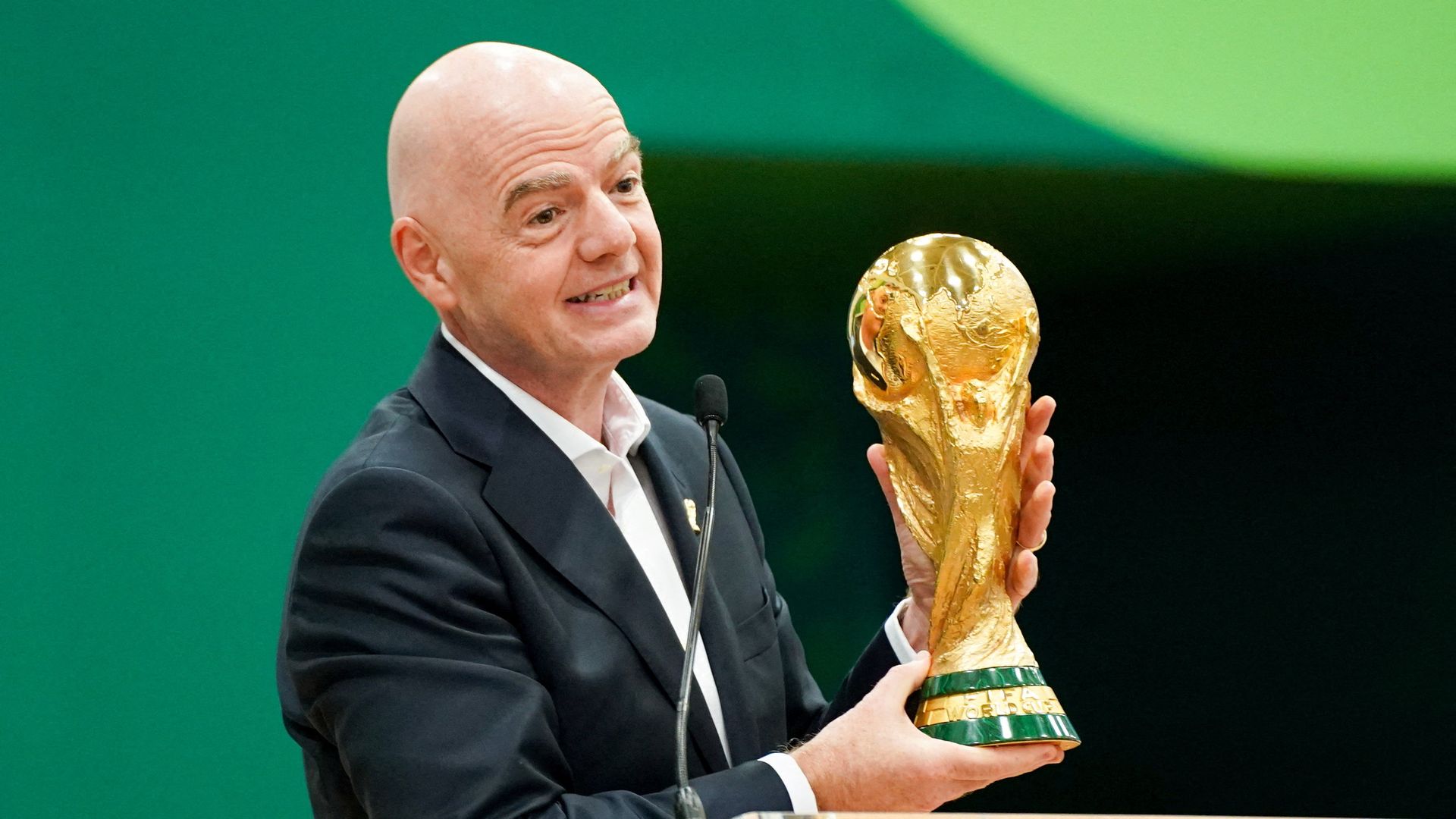
The dust has barely settled on the summer 2026 World Cup across the United States, Canada, and Mexico, but FIFA president Gianni Infantino has already launched an extraordinary defensive counter-offensive against his critics. Following an intense tournament marked by political friction, visa blocks, and high-level administrative interventions, Infantino took to social media to lash out at journalists and analysts who dared question the tournament's execution. He claimed that detractors were consumed by hate, spreading false rumors, and missing out on pure global joy. This defensive posture reveals a deeper institutional fragility at the heart of modern sports governance. When the leader of world football equates journalistic scrutiny with malice, the organization has a problem.
The Illusion of Absolute Harmony
Infantino’s lengthy open letter painted a picture of unblemished perfection. He cited zero incidents of violence and absolute security across sixteen host cities.
Statistics do tell part of the story. Over seven million spectators attended matches, and billions watched from home as Spain claimed the trophy.
Numbers do not erase systemic friction. Ignoring valid logistical complaints under the banner of unity fails basic accountability standards.
Security and celebration can coexist with structural failure. Pretending otherwise protects executive egos at the expense of administrative progress.
Geopolitics on the Pitch
The tournament lived under the shadow of international realpolitik. Host nation immigration policies and diplomatic standoffs created severe hurdles for several participating delegations.
Fans and officials from countries facing strict entry vetting encountered massive roadblocks. For instance, the national team of Iran navigated extraordinary travel restrictions, forced to leave immediately after matches under a tightly controlled security apparatus. Referees faced similar exclusion, with qualified officials blocked from entry points due to rigid administrative enforcement.
Infantino brushed these hurdles aside by pointing to the millions of visas that were successfully approved. That defense misses the fundamental point of global sports equity.
When a governing body awards hosting rights to nations with aggressive exclusion policies, it inherits those geopolitical barriers. Dismissing the victims of those barriers as statistical outliers is a moral failure.
The Presidential Phone Call
Nothing symbolizes the strained boundaries between sport and state quite like executive interference in disciplinary matters. During the knockout rounds, US striker Folarin Balogun received a red card that triggered an automatic suspension, threatening his availability for a crucial match against Belgium.
What followed broke conventional sporting protocol. United States President Donald Trump publicly admitted to calling Infantino directly to request a second look at the ruling. FIFA subsequently suspended the ban, clearing the player to take the field.
When questioned about this extraordinary intervention, Infantino deflected. He claimed that such reversals are routine in domestic leagues and turned the criticism back on European governing bodies.
That defense collapses under light inspection. Domestic leagues operate under independent disciplinary panels with clear, predictable appeals processes. A political head of state bypassing established legal channels to lobby the president of FIFA is entirely different. Normalizing political phone calls into executive suites degrades the integrity of international competition.
Financial Realities and Ticket Inflation
Behind the grand speeches about football uniting the world lies a crushing commercial reality. Ticket prices for the 2026 tournament soared to unprecedented heights.
FIFA defended the pricing structure by arguing that lower prices would only feed a predatory black market. They also insisted that every dollar generated flows back into global football development, supporting associations in regions that desperately need infrastructure.
Revenue distribution is a noble goal. Funding grassroots initiatives in developing regions keeps the sport alive globally.
Pricing out local working-class fans transforms the World Cup into an exclusive corporate playground. When the average ticket cost mirrors premium entertainment rather than public sport, the cultural soul of the tournament erodes. Pretending that high prices protect fans from scalpers insults the intelligence of anyone who tried to buy a seat.
The Cost of Fragile Leadership
Modern sports executives love to stand in the spotlight during moments of triumph. When structural flaws, political exclusions, and preferential disciplinary rulings draw fire, they retreat into defensive victimization.
Labeling legitimate investigative scrutiny as hate speech is a dangerous escalation. It signals an administration allergic to transparency.
Football belongs to the players, the local communities, and the global fanbase. It does not belong to executives who demand unconditional applause while ignoring the administrative barriers they helped build.
The 2026 World Cup delivered incredible athletic drama on the pitch. The governance behind it left a trail of unanswered questions that social media essays cannot erase.