When Captain Smit Machchhar sat down in the left seat of the Boeing 737 MAX 8 for Flydubai Flight 1073 from Dubai to Tel Aviv, he expected a routine flight. Instead, the 38-year-old Indian commander found himself fighting for his life at 34,000 feet when his co-pilot, Hamam al-Hammami, launched a brutal, unexpected assault with the cockpit crash axe. The incident shattered the bedrock assumption of modern commercial aviation: that the flight deck is an impenetrable sanctuary of mutual trust.
The attack on Flight 1073 is not merely a terrifying outlier; it is a systemic wake-up call for international civil aviation authorities. For decades, aviation security protocols have heavily focused on external threats—hijackers breaching cabin doors, explosive devices smuggled through checkpoints, and surface-to-air missiles. The cockpit door, reinforced and locked from the inside since the security paradigm shift of September 11, 2001, was engineered to keep malicious actors out. It was never designed to trap a pilot inside with an assailant wielding a heavy metal tool.
The Anatomy of a Mid-Air Ambush
The sequence of events aboard the Dubai-to-Tel-Aviv route exposed terrifying vulnerabilities in flight deck dynamics. According to investigative reports and flight data recorder analysis, the aircraft was cruising near the Saudi-Jordanian border when the first officer struck Machchhar from behind. The sudden blow caused severe trauma, but the physical assault was only half the danger.
Simultaneously, the aircraft was pitched into a catastrophic, vertical dive. The jet plummeted more than 14,000 feet in less than sixty seconds, screaming downward at speeds nearing 600 miles per hour. This rapid descent pushed the Boeing frame past structural design limits, ultimately tearing away a major portion of the aircraft's rudder.
In a standard emergency, a pilot relies on checklists, automation, and clear communication with the right-seat partner. Machchhar had none of that. Bleeding from deep head wounds and partially incapacitated, he faced a dual threat: an active attacker inside the flight deck and an aircraft hurtling toward the earth.
The psychological toll of such an environment is difficult for outsiders to comprehend. Aviation training prepares crews for engine failures, electrical fires, and wind shear. It does not adequately simulate a colleague turning a crash axe against you. Yet, Machchhar's years of experience as a senior commander and line training captain provided the gritty resilience required to survive. Despite collapsing from his injuries, the captain summoned the strength to crawl toward the cockpit door, managing to open it just enough for passengers and off-duty crew members to intervene.
The Human Firewall That Saved 174 Lives
Had it not been for the extraordinary intervention of individuals outside the flight deck, Flight 1073 would have ended in absolute catastrophe. Passengers, including a dentist who immediately began medical triage on the grievously injured captain, rushed forward alongside deadheading pilots traveling as passengers.
They overpowered the co-pilot, restraining him with makeshift bonds while the relief pilots took the controls. Steering a crippled aircraft with a severely compromised rudder and an injured captain on board required supreme airmanship. The diversion and subsequent safe landing at Prince Sultan bin Abdulaziz Airport in Tabuk, Saudi Arabia, averted a loss of life that would have rivaled history's worst aviation disasters.
Yet, celebrating the heroism of Machchhar and the passengers masks an uncomfortable reality. Security procedures worked only because human intervention breached the very fortress designed to keep people out. If the cockpit door had remained completely jammed or locked during the struggle, the relief pilots outside would have been powerless to re-enter.
Blind Spots in Pilot Vetting and Mental Health Monitoring
The troubling background details emerging about the attacker point toward an institutional failure in psychological screening and radicalization tracking. Investigators probing the co-pilot's digital footprint discovered extremist imagery and red flags that went unnoticed by airline HR departments and regulatory bodies.
Aviation regulatory agencies mandate rigorous physical health checks every six months. Pilots undergo electrocardiograms, vision tests, and neurological assessments to ensure they are fit to fly. Mental health evaluations, however, remain notoriously opaque. Most carriers rely on self-reporting or superficial psychological questionnaires during initial hiring phases. Pilots often hide psychological distress, anxiety, or radicalization out of a well-founded fear of losing their medical certificates and, consequently, their livelihoods.
Creating a culture of psychological safety where pilots can seek help without facing immediate career termination is essential. When professional survival is tied to absolute concealment of personal struggles, unstable individuals can slip through the cracks. The aviation industry must move past basic compliance checklists and adopt dynamic, peer-supported psychological monitoring programs.
Rethinking the Fortress Cockpit
The architecture of modern commercial flight decks must undergo a fundamental redesign. For over twenty years, the industry operated under the premise that the primary security threat came from the passenger cabin. Flight 1073 proves that the threat vector can originate from within the flight deck itself.
Airlines and manufacturers are now forced to weigh competing safety priorities. How do you maintain protection against unlawful entry from the cabin while allowing emergency access when a pilot is incapacitated or compromised? Dual-authentication keypads, interior override switches, and wide-angle internal cockpit cameras linked to cabin crew monitors are engineering solutions that warrant immediate exploration.
Furthermore, the placement of heavy emergency tools, such as crash axes, inside the cockpit requires immediate re-evaluation. While these tools are legally mandated for firefighting and emergency egress, leaving them accessible as potential lethal weapons in a confined space presents an unacceptable risk if crew vetting fails.
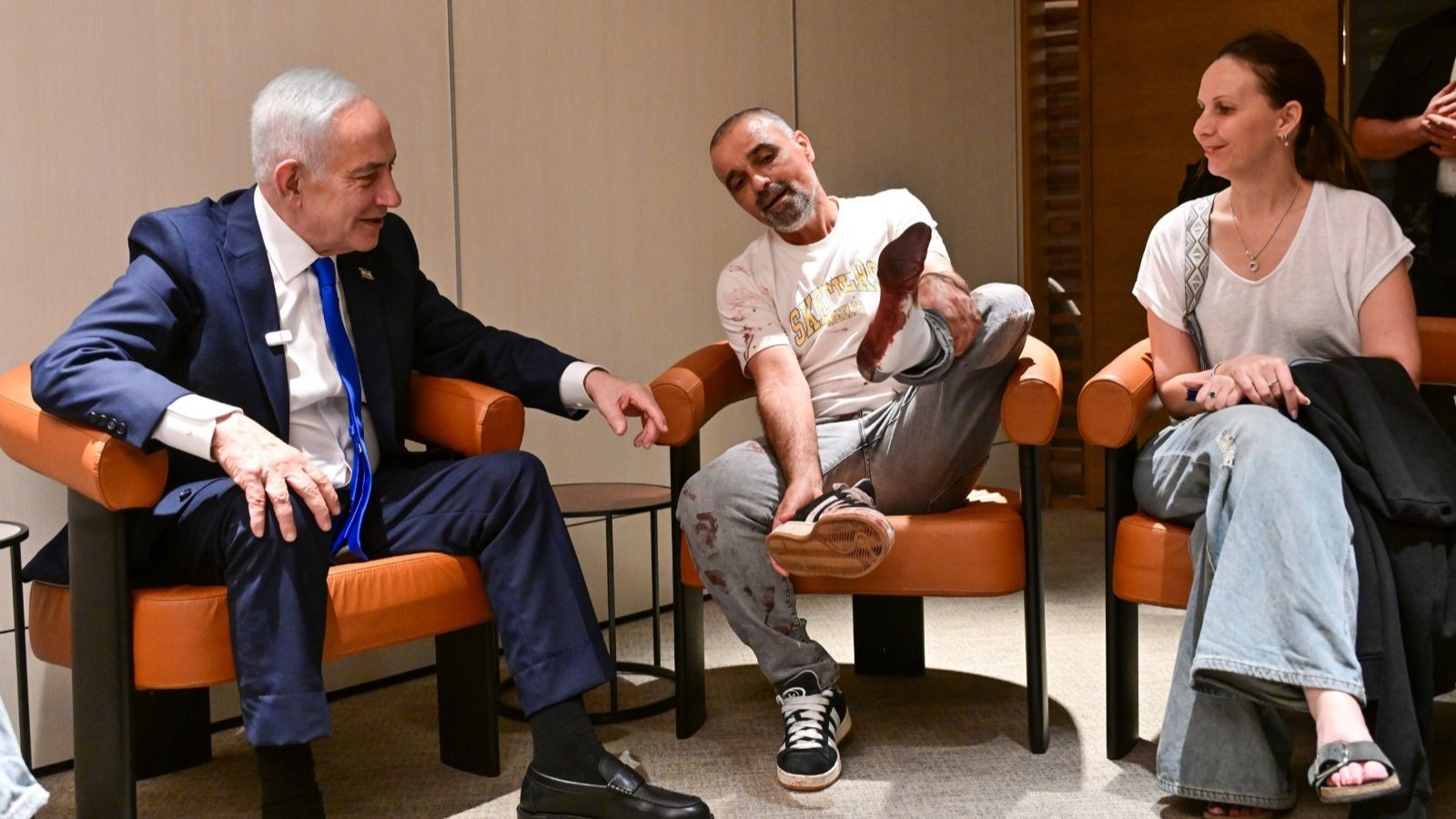
Captain Smit Machchhar survived his ordeal, bearing physical scars and stitches across his head that serve as a permanent reminder of the fragility of aviation security. His recovery and the global praise he received from leaders across continents highlight individual bravery. But bravery is not a safety management system. As long as regulatory bodies treat insider threats as statistical anomalies rather than urgent vulnerabilities, the next flight deck crisis is only a matter of time.