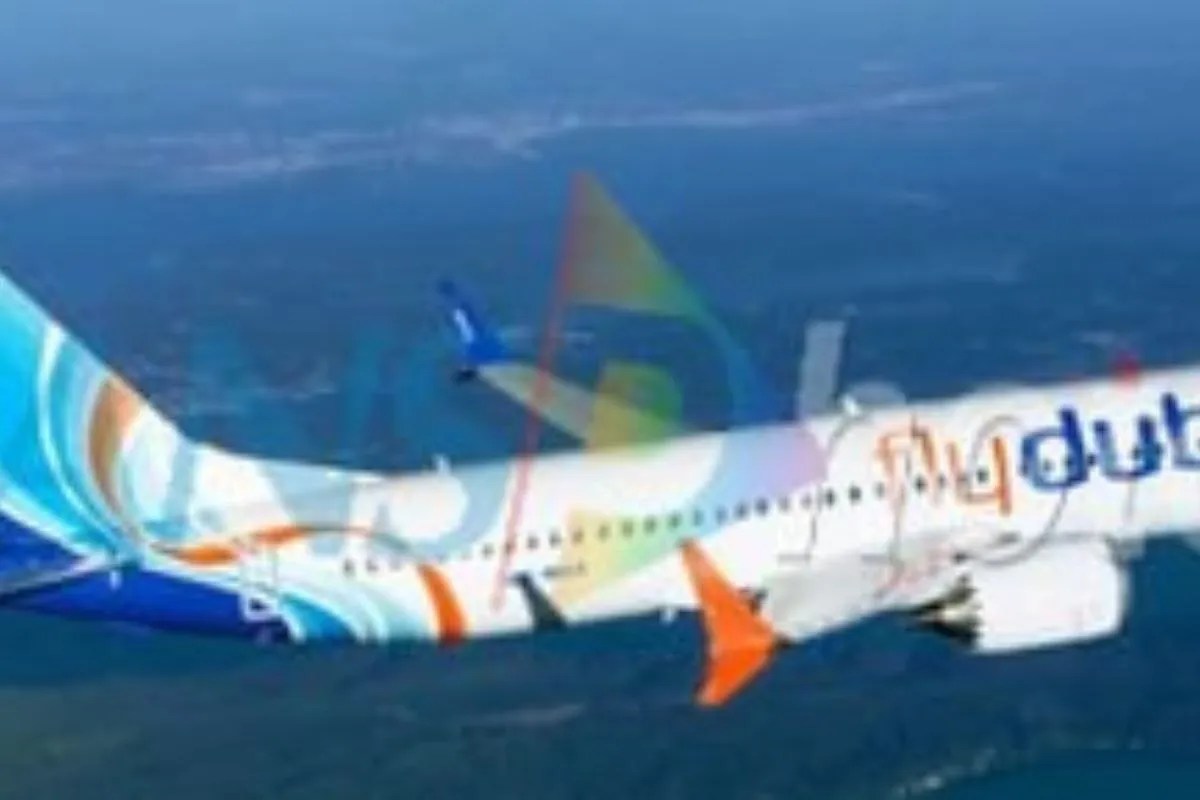
On September 30, 2026, Flydubai Flight FZ1073 transformed from a routine morning service between Dubai and Tel Aviv into a terrifying windowless struggle for survival at 34,000 feet. First Officer Hamam al-Hammami launched a targeted attack on Captain Smit Machchhar using a cockpit crash axe, initiating a steep, violent descent that nearly drove the Boeing 737 MAX 8 into the ground. The incident exposed profound vulnerabilities in modern commercial aviation security protocols, shattering the long-held industry assumption that the greatest threat to a flight deck always comes from behind a locked reinforced door rather than from within it.
The flight departed Dubai International Airport at 7:05 a.m. local time, carrying 172 passengers and a crew of eight. For the first two hours, the journey across the Arabian Peninsula proceeded normally. Approaching the Saudi-Jordanian border airspace, the operational environment shifted catastrophically. According to investigative findings and subsequent accounts from Captain Machchhar, al-Hammami initiated the assault without warning, striking the commander with the heavy emergency tool.
The physical metrics of the ensuing plunge reveal the sheer violence of the event. Flight-tracking telemetry captured the aircraft dropping from 34,000 feet to 17,000 feet in less than sixty seconds, touching speeds near 600 miles per hour. G-forces spiked as the jet breached its structural design limits. During the rapid descent, the aircraft's rudder suffered severe damage and ultimately detached due to extreme overspeed.
Amid the chaos, Machchhar fought back against multiple blows to the head. Bleeding and disoriented, he managed to trigger the manual override for the flight deck door, screaming for assistance before losing consciousness. Passengers, including off-duty Flydubai pilots deadheading in the cabin, burst into the cockpit. Working alongside a dentist and other travelers on board, they subdued al-Hammami using headphone wires and cable ties.
An off-duty pilot assumed control of the damaged airframe, wrestling the heavy twin-jet back into a stable trajectory at 15,000 feet. Squawking emergency code 7700 followed by unlawful interference code 7500, the flight caught the attention of regional military radar. Israeli Air Force fighter jets scrambled toward the border amid fears of a suicide trajectory directed at Ben Gurion Airport. The aircraft briefly tracked toward Jordanian airspace before turning back over Saudi territory, prompting the recall of the interceptors.
The flight ultimately diverted to Prince Sultan bin Abdulaziz Airport in Tabuk, Saudi Arabia, landing safely nearly two hours after the emergency began. Ground inspections revealed a gaping hole where the vertical stabilizer's rudder used to be—a testament to the extreme aerodynamic stress endured during the unauthorized dive.
Security analysts point out that this event fundamentally challenges the post-9/11 fortress-cockpit doctrine. For decades, aviation authorities mandated reinforced doors designed exclusively to keep hostile actors out of the flight deck. Little attention was paid to the scenario where a credentialed, vetted flight crew member becomes the primary vector of threat. Background checks, psychological evaluations, and insider-threat detection protocols across Middle Eastern carriers and international aviation bodies are now undergoing aggressive reassessment.
Investigators later uncovered digital footprints pointing toward radicalization, suggesting a premeditated plan to turn the commercial airliner into a weapon. For Flydubai, the immediate operational fallout included extended cancellations of its Tel Aviv route, while regulatory bodies and insurance boards categorized the event as a hostile act. Passengers have begun pursuing legal action against carriers and authorities for structural security gaps, and airlines worldwide are quietly debating whether two-person cockpit occupancy rules require an armed or monitored third party at all times during sensitive regional flights.
The industry can no longer treat insider threats as a statistical anomaly. The margin between a catastrophic disaster and a miraculous survival on Flight 1073 came down to seconds, a bleeding captain's refusal to surrender, and the swift intervention of ordinary passengers acting as a final line of defense.