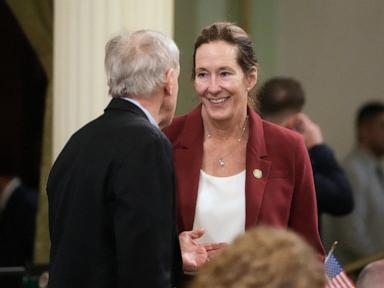
The room went cold when Anton Siluanov walked in.
For years, the diplomatic playbook dictated a rigid choreography. Moscow’s chief financial technocrat was supposed to be kept on the outside looking in, isolated by a united Western front designed to choke off the Kremlin's access to multilateral economic stages. Yet there he sat, occupying a physical seat at a G20 ministerial gathering hosted on American soil in North Carolina. The unexpected appearance tore open a visible fissure between Washington and European capitals, exposing the fragile mechanics of global sanctions enforcement.
This was not a scheduling error. It was a calculated collision between realpolitik and economic fatigue.
To understand why this happened, you have to look past the official communiqués and examine the plumbing of international finance. Western enforcement agencies are discovering that absolute financial exclusion comes with a devastating collateral price tag. Global commodities markets, debt restructuring talks, and cross-border payment tracking require a baseline level of communication that digital blockades cannot permanently replace. When U.S. Treasury officials engaged directly with Siluanov, reaffirming that formal sanctions remain anchored until the war in Ukraine concludes, they did so behind closed doors while European delegates openly fumed in the corridors.
The transatlantic coalition is fracturing along lines of economic pain tolerance. European ministers, having absorbed the brunt of an energy crisis and severe inflationary shocks following the cutoff of Russian hydrocarbons, view any normalization of diplomatic seating arrangements as a betrayal of core security architecture. Their position is absolute. Total isolation remains the only acceptable baseline until terms on the ground shift entirely.
Washington operates under a different set of operational realities. Financial intelligence gathering and debt servicing channels require touchpoints, even adversarial ones. By allowing the Russian finance minister back into the room under strict parameters, American planners signaled a pragmatic willingness to manage the ongoing economic war through direct channels rather than proxy statements. That divergence is precisely what stunned traditional allies.
Consider the mechanics of modern sovereign debt negotiations. Emerging markets entangled in financial distress require multilateral consensus. When major players boycott assemblies entirely, institutional gridlock stalls restructuring deals for developing nations caught in the crossfire. The Group of Twenty was originally built to manage systemic financial risk during moments of global panic. Turning it into an ideological purity test creates a vacuum that alternative blocs are eager to fill.
Moscow has spent the last several years hardening its financial infrastructure against external shocks. Bilateral trade corridors with non-Western partners have institutionalized workarounds to dollar-dominated settlement systems. Siluanov’s presence at an American-hosted summit underscores a quiet acknowledgment by Western policymakers. Total economic containment of a major resource exporter creates dangerous fragmentation in global liquidity pools.
European capitals understand this risk, too, but they fear the precedent far more than the liquidity ripples. Granting operational visibility back to architects of the Russian war economy undermines the moral clarity required to sustain domestic public support for ongoing sanctions packages. Voters across the continent are growing weary of high utility bills and persistent cost-of-living pressures tied directly to geopolitical decoupling.
The friction witnessed in North Carolina points to a permanent shift in multilateral governance. The era of synchronized Western hegemony over every international institutional framework is colliding with an assertive multipolar reality. Financial ministers can attempt to compartmentalize technical discussions from geopolitical hostilities, but the fiction of separation is wearing thin.
Behind the polite diplomatic handshakes lies a scramble to adapt to a fragmented global economy. Sanctions regimes are no longer airtight walls. They are porous membranes managed through daily exceptions, waivers, and backroom negotiations.
The surprise seat at the table was never just about a chair. It was a public admission that the architecture of global economic control is buckling under the weight of its own contradictions. The next crisis will not arrive with a declaration, but with another empty chair suddenly filled.