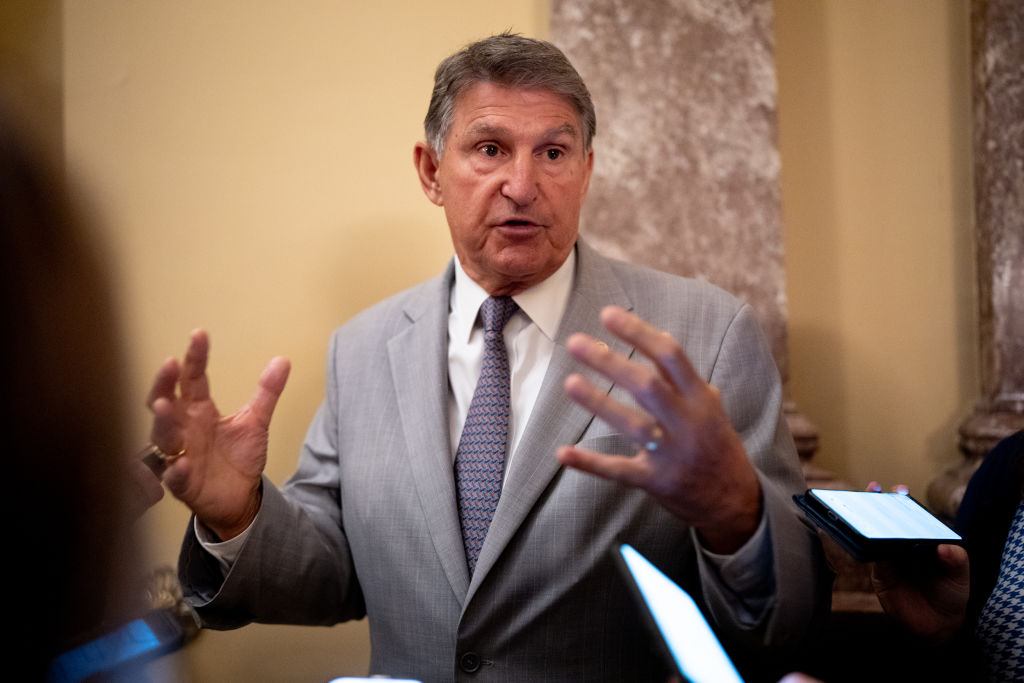
Former Senator Joe Manchin is launching the Independent Leadership Council to recruit, finance, and structurally support independent candidates running in competitive congressional races. Unveiled alongside his daughter Heather Manchin and seasoned political organizers, the initiative attempts to crack open the entrenched red-versus-blue duopoly by building a permanent institutional network for centrist non-party politicians. With recent polling data indicating that nearly forty-five percent of American voters identify as political independents, this coalition targets a massive, disaffected demographic that feels abandoned by polarized party machinery.
The strategy avoids launching a conventional third party. Instead, it creates an infrastructure capable of protecting independent candidates from the crushing ballot-access hurdles and financial starvation typically imposed by the Democratic and Republican national committees.
The Anatomy Of A Duopoly Defense Mechanism
Washington runs on predictable tribal warfare. Two opposing machines control candidate recruitment, primary funding, and legislative committee assignments. When an outsider attempts to step outside this framework, they usually run straight into a brick wall of legal challenges and campaign finance blockades.
Manchin's initiative seeks to bypass these barriers by merging resources with existing centrist frameworks like the Americans Together nonprofit and independent political action committees. Independent candidates face an uphill battle not because voters reject them, but because ballot access laws are written by the two major parties to keep competitors off the field. By pooling capital and legal strategy, the council plans to attack those structural disadvantages directly.
Consider a hypothetical example. A popular local mayor decides to run for an open congressional seat without a party label. Under standard conditions, that candidate must spend months gathering thousands of validated signatures while facing immediate lawsuits from partisan operatives aiming to throw them off the ballot. If the Independent Leadership Council functions as designed, it provides immediate legal defense teams and organizational muscle, turning an impossible uphill climb into a viable campaign.
Why Past Centrist Movements Stumbled
History is littered with well-funded centrist experiments that burned bright and faded fast. Third-party presidential bids and independent legislative coalitions often collapse under the weight of logistical reality because they treat elections like media events rather than ground wars.
National groups frequently drop millions of dollars into high-profile races without establishing local precinct-level organizations. Voters want candidates who understand district-specific water infrastructure or local manufacturing jobs, not abstract theories about national unity. Manchin’s background as a governor and retail politician in a heavily shifting state points toward a more localized blueprint.
The council intends to focus heavily on competitive seats where a small bloc of independent voters can swing the outcome. This targeted approach avoids the classic trap of spreading resources too thin across unwinnable ideological battlegrounds.
The Arithmetic Of The Disaffected Middle
The political class underestimates the sheer volume of voters who refuse to register with either major party. Modern primary systems reward hyper-partisan candidates who appeal to the most ideological fringes of their respective bases. Consequently, moderate voters find themselves choosing between candidates who represent neither their economic pragmatism nor their social moderation.
When a state like Alaska successfully implements ranked-choice voting and open primaries, independent candidates win because the system stops penalizing moderation. The Independent Leadership Council cannot rewrite state election laws overnight, but it can supply the missing ingredient that traditional donors refuse to touch: money for non-aligned candidates who refuse to bend the knee to party whips.
The Resistance From Party Loyalists
Establishment operatives on both sides view this development with intense suspicion. Democratic strategists worry that an independent network will siphon crucial anti-establishment votes away from their candidates in tight races. Republican strategists harbour the exact same fear from the opposite direction.
This bipartisan panic validates the core premise of the council. If the duopoly weren't vulnerable, a coalition of centrists wouldn't cause such immediate anxiety in party headquarters. The real fight isn't about policy details or legislative platforms. It is about control over the ballot box and who gets to decide which names appear before the public.
What Happens When The Leverage Shifts
If a handful of independent lawmakers enter Congress with the backing of a permanent institutional council, the traditional legislative math breaks down completely. When majorities are razor-thin, a small, coordinated block of independent members can demand committee reforms, rule changes, and open floor debates as the price of their votes.
The old system thrives on absolute party discipline. Break the discipline, and the entire legislative machinery grinds to a halt until it is forced to negotiate. Manchin spent decades mastering this exact leverage from inside the Senate Democratic caucus. Now, he is attempting to franchise that disruptive playbook out to a new generation of candidates.
The duopoly relies entirely on the assumption that voters have nowhere else to go. That assumption is currently being tested in real time.