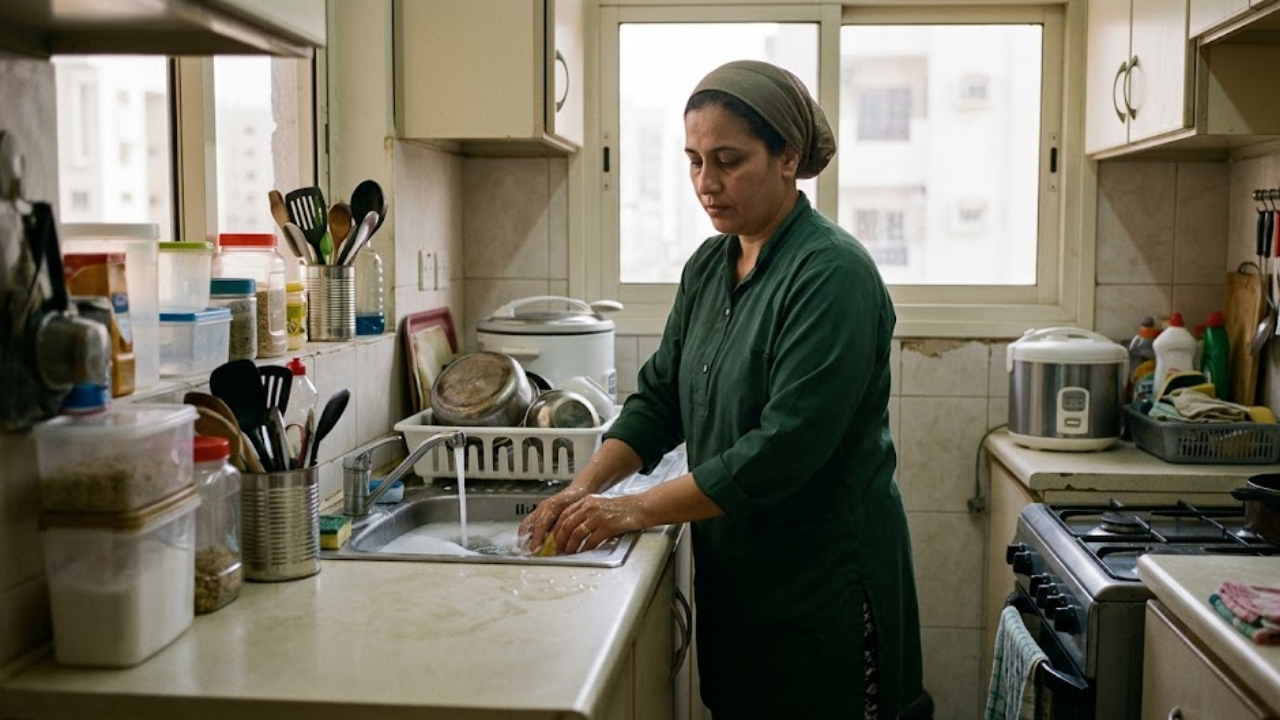
Kuwait has strictly capped domestic worker recruitment to just 10 approved nations while blacklisting or heavily restricting imports from 27 others, upending a multi-billion-dollar labor pipeline. This aggressive bureaucratic consolidation, executed via an abrupt Ministry of Interior circular, fundamentally alters the Gulf state's domestic landscape. By cutting off traditional labor pools like Kenya and Uganda and funneling demand through state-run governorate service centers, Kuwait intends to clean up an industry long plagued by human trafficking scandals, bilateral diplomatic feuds, and runaway black-market pricing.
The move is a hard-boiled triage of a system that was structurally broken.
For decades, the Gulf’s domestic labor market operated under a wildcard expansion model. When one country shut its doors due to systemic abuse claims, local agencies simply opened a pipeline to another. Kuwait’s new regulatory ceiling stops that shell game. By restricting legal sourcing to India, the Philippines, Sri Lanka, Nepal, Vietnam, Ethiopia, Eritrea, Benin, South Africa, and male-only recruitment from Senegal, the state is attempting to formalize oversight. The remaining 27 blacklisted or restricted nations, including major historical suppliers across Sub-Saharan Africa and pockets of Asia like Bhutan and Madagascar, are out.
The Friction Behind the Approved Ten
Limiting the playing field to 10 countries does not magically solve Kuwait’s structural issues. It concentrates the friction.
The approved list includes countries that have previously banned their citizens from working in Kuwait due to severe human rights concerns. The Philippines and Kuwait only recently patched up a toxic diplomatic standoff that saw Manila freeze deployment after high-profile cases of worker abuse and murder. India, another major supplier on the approved list, has historically enforced strict minimum-wage guarantees and bank-guarantee requirements for its domestic laborers, creating a constant tug-of-war with Kuwaiti sponsors who balk at the financial overhead.
By narrowing the field, Kuwait is making a high-stakes bet that it can maintain diplomatic equilibrium with these ten nations. It is an incredibly fragile calculation. If Manila or New Delhi decides to freeze deployments tomorrow over a labor dispute, Kuwait's domestic workforce supply will instantly crater, driving up the black-market costs for local families who view domestic help not as a luxury, but as an absolute infrastructure requirement for daily life.
Why the Blacklist Target Is Sub-Saharan Africa
The 27 restricted or outright banned nations are heavily concentrated in Sub-Saharan Africa, featuring names like Kenya, Uganda, Nigeria, Sierra Leone, and Cameroon. This is no administrative accident. It is an admission of institutional failure by both the sending and receiving states.
Historically, recruitment from these nations was fast, cheap, and dangerously unregulated. Local agencies in East and West Africa regularly bypassed legal protections, using tourist visas to funnel women into the Gulf. Once in Kuwait, these workers frequently found themselves without embassies or formal diplomatic representation to protect them when contracts were violated, salaries went unpaid, or physical abuse occurred.
The Kuwaiti government’s internal assessments, which drew heavily from the Ministry of Foreign Affairs and the Public Authority for Manpower, concluded that the administrative and diplomatic costs of managing these unrepresented worker populations outweighed the benefits. Instead of reforming the oversight mechanisms to protect these vulnerable populations, Kuwait chose the cleaner, more brutal policy option. They cut them off entirely.
The Digital Fortress and the Death of Independent Agencies
This recruitment squeeze coincides with a massive digital transformation inside Kuwait’s state apparatus. Alongside the recruitment caps, the government launched a centralized digital service through the unified government application, Sahel.
Sponsorship rules have been codified with algorithmic precision. A married man with a family can sponsor up to three domestic workers and a driver. A single woman can sponsor one domestic worker. Single men are restricted to a driver only.
This digital centralization, combined with the mandate that all recruitment must clear governorate-level service centers, is designed to choke out independent, predatory recruitment agencies. For years, these private offices functioned as unregulated fiefdoms, charging exorbitant upfront placement fees to Kuwaiti families while paying fractions of those sums to the workers themselves. By forcing transactions through a state-monitored digital pipeline and restricting supply to ten heavily vetted channels, the government is trying to build a regulated monopoly.
The immediate fallout will be felt in the wallets of ordinary citizens. Whenever supply is artificially constrained by decree while demand remains static, black-market workarounds inevitably thrive. Agencies with existing allocations for Filipino or Indian workers will now hold immense leverage, and the cost of legally securing a domestic worker is expected to skyrocket despite state-mandated fee caps.
Kuwait is attempting to sanitize a notoriously murky sector through top-down restriction and digital tracking. It is a massive bureaucratic gamble to preserve the domestic labor system without addressing the underlying power imbalance of the sponsorship model itself. By drawing a hard line between ten protected pipelines and 27 excluded nations, the state has merely concentrated its liabilities.



:max_bytes(150000):strip_icc():focal(665x0:667x2)/gettyimages-50733149-2000-8b129a2475974982a915418ce92a73d8.jpg)