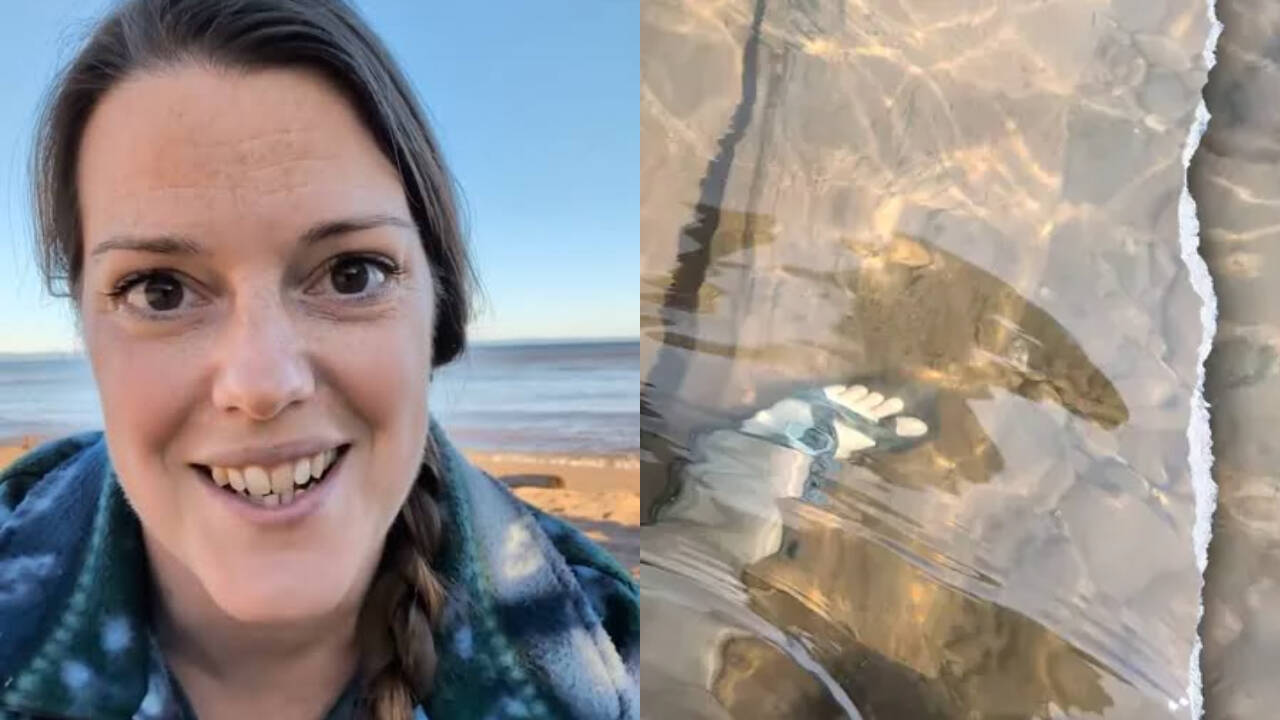
When a mother and son from Wisconsin spot a century-old tugboat resting beneath the cold waters of Lake Superior, the story usually gets packaged as a heartwarming weekend serendipity. Look closer. A discovery like that rarely happens by pure accident, and it rarely stays simple once marine historians, commercial shipping records, and legal boundaries enter the picture. In Lake Superior, finding a vessel roughly a hundred years old sits at the intersection of cold-water preservation, shifting regional commerce, and quiet tensions over who gets to claim credit or access.
I have covered maritime stories and regional industry shifts for decades, and the pattern repeats with uncanny regularity. Someone spots a hull or a wooden timber through clear water, a local headline catches fire, and suddenly everyone treats an inland sea like an open museum. It is not. Lake Superior is a working industrial corridor with brutal weather, deep trenches, and a long ledger of vanished vessels that never made it into glossy coffee-table books.
Why a Century-Old Tugboat Still Matters
Tugboats do not get the romantic press of sleek passenger liners or massive ore carriers. They are workhorses. Built to shove barges, pull timber rafts, maneuver freighters in tight harbors, and handle dirty, unglamorous jobs in punishing conditions, a tugboat from around the early twentieth century represents the gritty mechanical spine of Great Lakes trade.
If a tugboat from roughly a hundred years ago turns up beneath Lake Superior, the first question an investigator asks is not how pretty the photo looks. It is what that boat was doing there. Was it assisting a lumber operation that vanished generations ago? Was it working near a harbor mouth, moving stone or coal, or running lighterage duties when rail lines and highways were still expanding across northern Wisconsin and the Upper Peninsula?
Cold water changes everything in this part of the world. Lake Superior is deep, vast, and famously frigid even in summer. Low water temperatures slow down the biological rot that quickly chews through wooden hulls in warmer waters, and low oxygen levels in deeper zones can preserve materials that would otherwise disintegrate. At the same time, ice shove, current shifts, and sediment movement can bury a wreck for decades and then expose a rib, a boiler, or a cabin outline over a single season.
The Myth of the Accidental Find
Casual readers love the idea of a random walk along a shoreline or a quick look over a boat rail leading to a historic breakthrough. Sometimes a sharp eye really does catch something others walked past a hundred times. Still, seasoned observers know that many "sudden" discoveries happen only after years of quiet groundwork that never makes the headline.
Local residents build mental maps over decades. They notice where sandbars shift after spring storms. They pay attention to water clarity after heavy runoff or calm wind stretches. When a mother and son spot an old tugboat beneath Lake Superior, their familiarity with the water or shoreline may matter just as much as luck.
There is another angle worth examining. Visibility in parts of Lake Superior can shift dramatically depending on depth, current, silt, and light angle. A shape that looks unmistakable on one afternoon can vanish into glare or murk the next morning. Getting a clear view of a submerged vessel is only step one; figuring out what you are actually looking at is where the real work starts.
Identification Is Harder Than Headlines Suggest
A headline can slap "100-year-old tugboat" onto a story in five seconds flat. Proving it takes months of cross-referencing.
Wooden and early steel tugs shared similar silhouettes across the Great Lakes. Builders reused designs, altered superstructures, swapped engines, and renamed vessels when ownership changed hands. A tug built in one decade might be rebuilt, repowered, or repurposed twenty years later under a completely different name. Without a visible hull number, maker's plate, distinctive machinery, or matching archival dimensions, an identification can easily drift into wishful thinking.
Think of a hypothetical example to see how murky this gets. Suppose a pair of observers spots the outline of a small workboat hull in clear shallows along a rocky stretch of Lake Superior. Local lore points to a tug that went missing or was abandoned around 1925. On paper, the timeline fits. In reality, three different companies operated similarly sized tugs in that broader region between 1910 and 1935, and two of them were quietly scrapped or converted into barges after their steam plants wore out. Matching a visual sighting to a specific vessel requires checking registry records, insurance losses, newspaper shipping logs, and physical measurements—not just matching a story to a shape.
That gap between a compelling sighting and verified history is where sloppy reporting trips over its own feet. Calling something a century-old tugboat based on a glance makes for a punchy line. Confirming which tug it was, when it went down or was left behind, and why it ended up there demands patience that internet outrage rarely rewards.
What Happens After a Wreck Is Spotted
Once word spreads that an old vessel has been spotted beneath Lake Superior, the tone of the conversation shifts. Curiosity meets caution.
In the Great Lakes region, shipwrecks and submerged vessels carry legal and ethical weight. Depending on exact location, jurisdiction, and status, rules govern anchoring, diving, salvage, and disturbing remains or artifacts. Even when a wreck sits in relatively accessible water, moving a piece of timber, a fitting, or a nameplate can strip away vital clues that researchers use to piece together maritime history.
There is also a practical safety side that romantic coverage often glosses over. Lake Superior does not care whether you are holding a camera or admiring a piece of history. Water temperatures can trigger cold shock quickly, sudden squalls roll in faster than newcomers expect, and submerged structures themselves present snag and entrapment hazards. A calm day on the lake can turn rough before a small boat makes it back to shelter.
The Tugboat Economy Behind the Story
To understand why a tugboat sighting resonates in places like Wisconsin and the broader Lake Superior basin, you have to look at the economic history baked into the iron and oak. For generations, the Great Lakes were an industrial highway moving raw materials out and manufactured goods in. Tugs kept the gears turning in harbors, rivers, and nearshore routes where massive ships could not operate alone.
Over the twentieth century, that working waterfront transformed. Smaller steam tugs gave way to diesel power. Shipping consolidated into fewer, larger vessels. Rail and trucking took over freight routes that once depended on waterborne transfers. Many older tugs were retired, sold off, left to rot in backwaters, or lost to storms and ice.
When a century-old tugboat is spotted beneath Lake Superior today, it acts like a time capsule of a vanished working class. It recalls shipwrights, engineers, deckhands, and captains who worked wet, loud, dangerous shifts long before GPS, weather radar, or modern safety gear. Seeing that hull resting underwater forces a direct comparison between the rugged industrial past and the modern recreational and eco-focused identity many Great Lakes communities now embrace.
Why Public Attention Cuts Both Ways
Public attention is a double-edged sword for underwater discoveries. On one hand, media coverage brings fresh eyes, local pride, and sometimes leads from families who still hold old photographs, logbooks, or oral histories in an attic box. A newspaper or broadcast piece can connect a physical sighting with a forgotten family story from generations back.
On the other hand, instant publicity can draw crowds before proper documentation or protection is in place. Curiosities draw boaters, divers, and drone operators. Noise, anchors, and foot or fin traffic can wear down fragile remains or disrupt sensitive shoreline and nearshore habitats.
I have watched this tension play out across countless regional stories. People mean well when they get excited about history. Excitement, however, is not a substitute for restraint. Knowing when to look, when to report, and when to step back separates responsible discovery from careless curiosity.
Unanswered Questions That Separate Hype From Substance
Whenever a story centers on a Wisconsin mother and son spotting a century-old tugboat beneath Lake Superior, the most interesting details usually sit just outside the initial report. A serious reader should ask a few pointed questions before accepting every claim at face value.
- Exact context of the sighting: Was the vessel seen from shore, from a boat, or from above, and how clear was the water at the time?
- Physical evidence: Are recognizable features visible—such as hull framing, deck fittings, a boiler, a rudder, or propulsion gear—or is the shape mostly obscured by silt and vegetation?
- Archival backing: Have historians or maritime researchers matched dimensions and location clues to documented vessels from that era?
- Site status: Is the location already known to local mariners or researchers, or is it a genuinely fresh find that needs careful verification?
Answers to those questions do not always arrive overnight. Good investigative work takes time, follow-up calls, and a willingness to say "we don't know yet" when the record is incomplete.
What This Sighting Says About Lake Superior Now
Lake Superior still holds secrets, not because it is magical, but because it is enormous, cold, and relentless. Even in an era of satellite imagery and sonar mapping, shallow coves, shifting shoals, and clear-water windows can still reveal pieces of the past right in front of people willing to pay attention.
For anyone living near or visiting the lake, the takeaway is straightforward. Keep your eyes open, respect the water's power, leave submerged sites undisturbed so experts can study them properly, and verify the story behind the silhouette before treating a hunch as settled history.