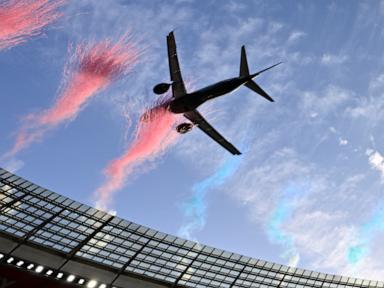
Fifty feet. That is the razor-thin margin that separated a commercial passenger jet from the roof of Cape Town Stadium during a pre-match rugby spectacle. When two Airlink Embraer E-Jets thundered over a packed crowd of fifty-six thousand spectators before the clash between South Africa and New Zealand, social media erupted with awe and immediate alarm. Flight-tracking data later confirmed that the lead aircraft passed roughly forty-one to forty-six feet above the stadium architecture.
The corporate defense was swift. Airline executives and regulatory apologists insisted the stunt was meticulously planned, heavily rehearsed, and flown by elite senior captains. They pointed to official sign-offs from the South African Civil Aviation Authority as proof of operational legitimacy. Don't forget to check out our recent article on this related article.
Yet seasoned aviators and independent safety consultants are sounding the alarm over a dangerous escalation in marketing stunts. Commercial transport category aircraft are built to move passengers safely between major hubs at high altitudes, not to mimic tactical fighter jets over dense urban structures. When a regional airliner is pushed down to one hundred and fifty knots just above a massive open-air assembly, the physics leave zero room for human error or mechanical failure.
Stadium environments are notoriously hostile to low-flying aircraft. Large structures generate unpredictable micro-turbulence, thermal updrafts, and wind shear as air currents deflect off concrete bowls and open roofs. A sudden atmospheric shift or a localized bird strike at fifty feet provides a flight crew with fractions of a second to react. At that altitude, gravity wins every time. If you want more about the history of this, CBS Sports provides an in-depth breakdown.
The historical nostalgia often cited to justify these spectacles holds little water in modern aviation safety culture. Proponents frequently harken back to the iconic 1995 Rugby World Cup final when a massive Boeing 747 swept over Ellis Park. That flight, while equally dramatic, occurred in a completely different regulatory era before modern risk management frameworks redefined acceptable hazard exposure in commercial aviation. Replicating or exceeding those historical thrills with modern regional jets sets a perilous precedent.
Aviation authorities exist to protect the flying public from unnecessary risks, not to facilitate promotional photo opportunities for corporate sponsors. When regulators grant exemptions for low-altitude stadium flybys, they gamble with the lives of thousands of spectators below and the professional crews trapped inside the cockpit. The digital data recorders have been handed over for review, but the core question remains whether commercial aviation will wait for a catastrophic disaster before grounding these vanity stunts permanently.