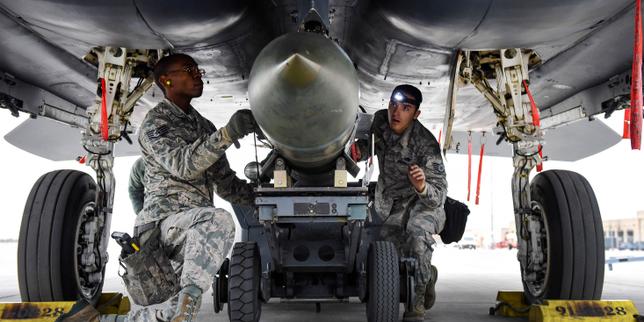
Foreign policy shifts rarely happen quietly. When reports surface that Washington is lining up a massive military transfer, the ripple effects hit international capitals instantly. The latest flashpoint centers on a proposed $2.8 billion weapons package moving through the pipeline under the Trump administration, featuring an eye-popping quantity of heavy munitions. We are talking about roughly 40,000 bombs, many tipping the scales at 2,000 pounds.
If you look past the standard talking points, this massive proposed transfer exposes deep fractures in how foreign aid and defense logistics actually operate. Critics, including key congressional figures like Representative Gregory Meeks, have moved to block or scrutinize such massive shipments over mounting worries about civilian safety and urban destruction. Yet, the administration keeps pushing forward, arguing that strategic deterrence requires keeping key allies fully stocked. In similar news, read about: Inside Benjamin Netanyahu's Stronghold Where the Opposition Sees a Tiny Opening.
The Logistics of a Massive Munitions Transfer
Moving tens of thousands of heavy-payload explosives isn't like shipping commercial cargo. It requires complex clearance protocols, inter-agency sign-offs, and steady coordination between the Pentagon and major defense contractors like Lockheed Martin and Boeing. A 2,000-pound munition—often categorized alongside heavy ordnance like the MK-84—carries devastating kinetic and structural impact.
Why push such a heavy inventory now? Proponents of the package argue that regional stability relies on maintaining an overwhelming qualitative military edge. In their view, defense pacts must remain ironclad regardless of shifting political winds in Washington or Capitol Hill pushback. But lawmakers worried about humanitarian consequences see it differently. They point out that flooding a conflict zone with tens of thousands of high-power munitions ties American foreign policy directly to the resulting urban devastation. BBC News has also covered this fascinating topic in extensive detail.
Political Gridlock on Capitol Hill
The legislative battle lines are drawn sharp. While executive branch planners negotiate the mechanics of the multi-billion dollar package, congressional oversight committees are fighting back. Democrats controlling certain legislative levers are demanding stricter end-use monitoring and ironclad human rights assurances before a single pallet leaves port.
This friction creates a weird paradox. On one side, multi-year defense frameworks guarantee steady corporate profits for contractors. On the other, partisan math and domestic political fatigue make every major international arms transfer a grueling legislative brawl. When midterms or shifting majorities enter the mix, even high-priority security agreements face sudden roadblocks.
What This Means for Regional Stability
You can't separate these arms sales from the broader geopolitical chessboard in the Middle East. With tensions involving regional actors like Iran simmering through economic pressure campaigns and stalled diplomatic tracks, Washington views military aid as a signal of unyielding commitment.
Yet, flooding an already volatile theater with high-capacity weaponry raises the stakes for everyone involved. Every bomb delivered alters the tactical calculus on the ground, making de-escalation harder and shortening the fuse for future confrontations. As these congressional showdowns play out, the final destination of these 40,000 munitions remains one of the most contentious foreign policy battles of the year.
The debate won't end when the paperwork clears. Watch how oversight committees enforce compliance and how defense contractors manage jittery supply chains in the months ahead.
Trump Plans $2.8bn Israel Arms Sale With 40000 Heavy Bombs
This video provides an in-depth look at the reported $2.8 billion weapons package and the inclusion of thousands of heavy bombs destined for Israel.