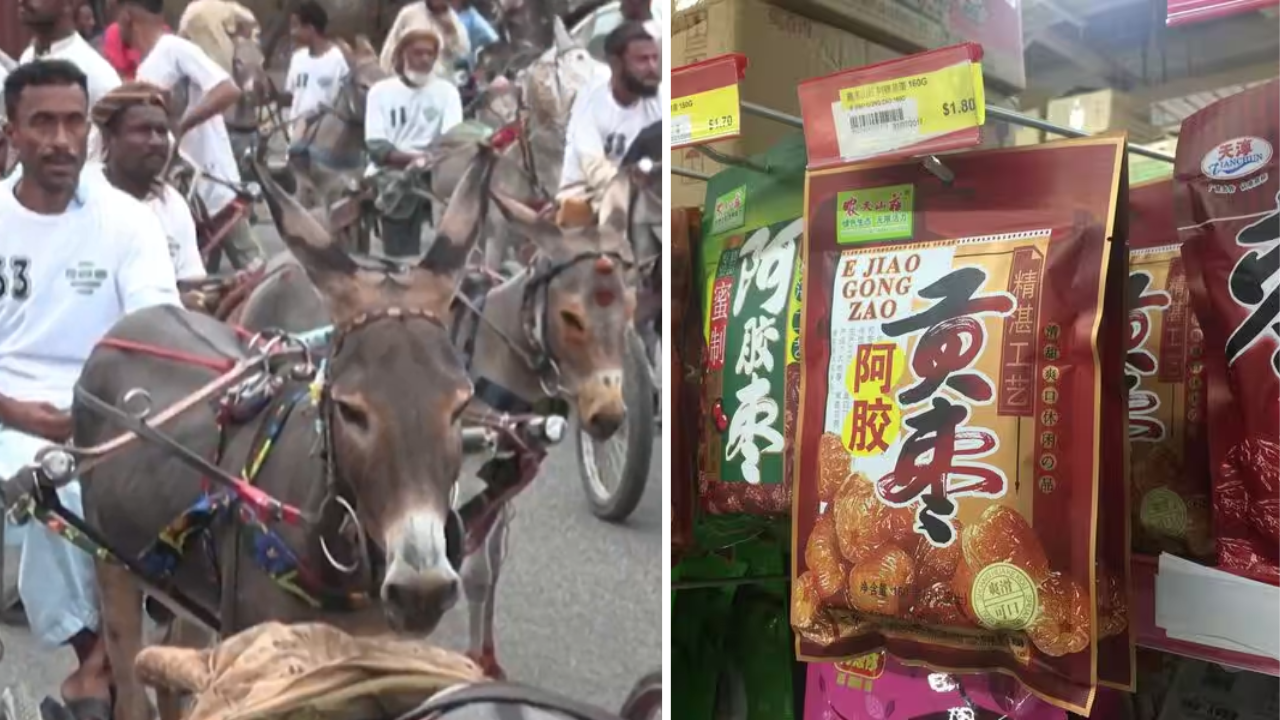
Pakistan’s massive donkey population has transformed from a domestic beast of burden into a high-stakes commodity exported to feed China’s insatiable appetite for ejiao, a traditional medicinal gelatin derived from boiled animal hides. This international trade bridges two allied economies through a quiet crisis of livestock supply, rural economics, and animal welfare.
For years, observers watched the domestic value of the humble working animal skyrocket. What started as localized breeding farms and speculative export protocols has evolved into a formalized economic pipeline connecting rural Pakistani breeders directly to industrial pharmaceutical conglomerates in East Asia.
The Mechanics of the Market
The primary driver behind this phenomenon is not meat, but skin. Ejiao is a prized block of gelatin manufactured by stewing donkey hides down over several days. Long revered in traditional pharmacopeia, the substance is marketed as a blood tonic, anti-aging remedy, and general vitality booster.
Domestic herds inside China dropped precipitously over the past three decades, falling by roughly eighty percent as industrialization swept through rural agricultural provinces. With domestic supply unable to meet a multi-billion-dollar consumer market, manufacturers began looking outward.
Pakistan sits comfortably with one of the largest equine inventories on the planet, boasting a national herd approaching six million head. Following years of political hesitation, regulatory hurdles, and temporary prohibitions, bilateral agreements finalized official protocols for exporting both hides and meat. For a cash-strapped government in Islamabad desperate to balance trade deficits and monetize agricultural assets, the animal suddenly looked less like a cart-puller and more like foreign exchange.
Economic Lifeline or Rural Hazard
The financial windfall trickles down unevenly. Wealthy livestock investors and commercial breeding operations in Punjab and Khyber Pakhtunkhwa view the export market as a lucrative frontier. State-backed mega-farms designed specifically to breed equines for overseas markets underscore how seriously state planners take the industry.
Yet, the ground-level reality for ordinary villagers presents a starkly different picture. In many rural districts, a family donkey remains essential infrastructure. It transports potable water, carries agricultural yields to local markets, and functions as the primary engine for households living well beneath the poverty line.
When commercial buyers sweep through districts offering high cash prices for hides, petty theft spikes. Independent welfare monitors have repeatedly documented syndicates stealing working animals directly from fields and pathways, leaving impoverished owners stranded without their primary means of survival. The macroeconomic gain for the state ledger frequently translates into microeconomic devastation for individual agrarian households.
Geopolitics and Animal Welfare
Critics and global advocacy groups argue that the trade operates on an unsustainable trajectory. Industry estimates project that global production requires millions of skins annually, vastly outstripping natural reproduction rates. Nations across Africa implemented outright bans after watching their rural equine populations collapse under similar export pressures.
Pakistan’s path has been more measured, characterized by swinging pendulums between prohibition and regulated commercialization. Facilities near strategic trade corridors, such as Gwadar, point to a future where processing plants feed directly into cross-border logistics networks.
The friction between bilateral commercial ties and animal welfare advocacy shows no sign of abating. As long as retail prices for medicinal blocks remain high in urban centers abroad, the pressure on the South Asian livestock market will persist.
The humble beast of burden is no longer invisible. It is a priced asset caught in the gears of global supply and demand, where local utility fights a losing battle against international capital.
Watch Connecting The Dots on YouTube to see a visual breakdown of how international demand for traditional remedies impacts animal populations across Asia.