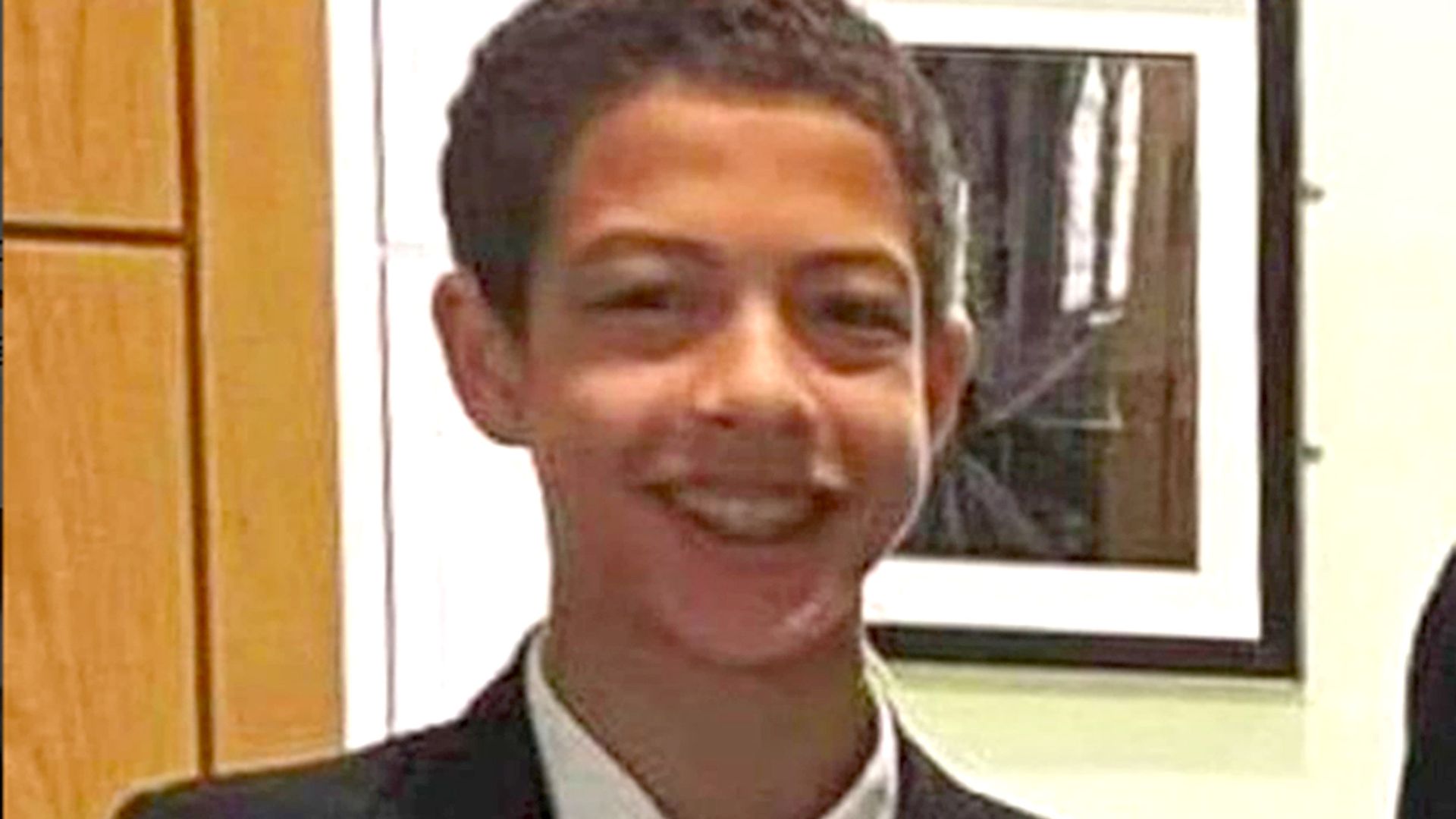
The narrative verdict delivered at the Belfast Coroner's Court regarding the death of 14-year-old Noah Donohoe did not just expose critical institutional errors; it laid bare an uncomfortable reality about accountability within modern policing. When a child disappears and is later found dead in a storm drain, the public expects a machine of absolute efficiency, absolute transparency, and absolute rigor. Instead, the long-running inquest revealed a sequence of basic missteps, delayed evidence identification, and investigative inertia that left a grieving mother fighting a lonely battle for answers.
To understand what went wrong, one must look past the immediate tragedy and examine the structural mechanics of how investigations stall. Police Service of Northern Ireland (PSNI) officials faced intense scrutiny as the coroner's proceedings dragged on across months of grueling testimony. The core issue was never merely a lack of boots on the ground during the initial search. Rather, it was a profound failure of perspective—an institutional tendency to pursue assumptions rather than aggressively hunt for contradictory evidence.
The Anatomy of Investigative Inertia
In any high-stakes missing person case, the first forty-eight hours dictate the trajectory of the outcome. When Noah left his south Belfast home on his bicycle in June 2020 heading toward the north of the city, the initial response by authorities suffered from what internal reviews later categorized as missing person fatigue.
Critical CCTV footage was missed or misinterpreted in the early stages. Key geographic hazards, such as the storm drains and culverts network running through the area where Noah vanished, were not properly cataloged or prioritized in operational logs. Investigators operated under early hypotheses that blinkered their approach. When an organization falls back on routine, imagination dies. And when imagination dies in police work, crucial clues hide in plain sight.
The inquest jury heard extensive arguments regarding how information was handled, including delays in following up on an anonymous phone call and gaps in logging vital infrastructural details. Every delay compounds the next. Every overlooked camera angle becomes a permanent blank space in a timeline that a grieving family will spend years trying to fill.
The Weight of Institutional Defense
Institutions have a natural immune system. When challenged, their primary reflex is self-preservation rather than self-correction. Throughout the legal proceedings, counsel representing Noah’s mother, Fiona Donohoe, repeatedly pressed senior officers on why certain investigative paths were abandoned or ignored. The answers often retreated behind bureaucratic language and procedural defensiveness.
Public trust is an asymmetric asset. It takes decades to accumulate and moments to vaporize. The community response—manifested through the tireless advocacy of "Noah's Army"—demonstrated a profound disconnect between the governed and those tasked with protecting them. People sensed that the standard applied to an ordinary Belfast schoolboy fell short of the standard demanded by basic human decency.
Senior leadership within the PSNI has since acknowledged the findings, expressing a commitment to address the identified gaps. Yet, apologies offered years after the fact do little to reconstruct a botched timeline. True reform requires changing how institutional bias and investigative tunnel vision are identified while a case is active, not years later in a sterile courtroom under the glare of media scrutiny.
Accountability cannot be retroactive. Until investigative bodies build internal mechanisms that actively punish intellectual laziness and systemic oversight with the same vigor they apply to street crime, families will continue to find themselves waging generational wars just to learn the truth.
The dossier is closed, the verdict is recorded, but the questions raised by the Belfast inquiry remain stark and unyielding, echoing far beyond the courtroom walls.