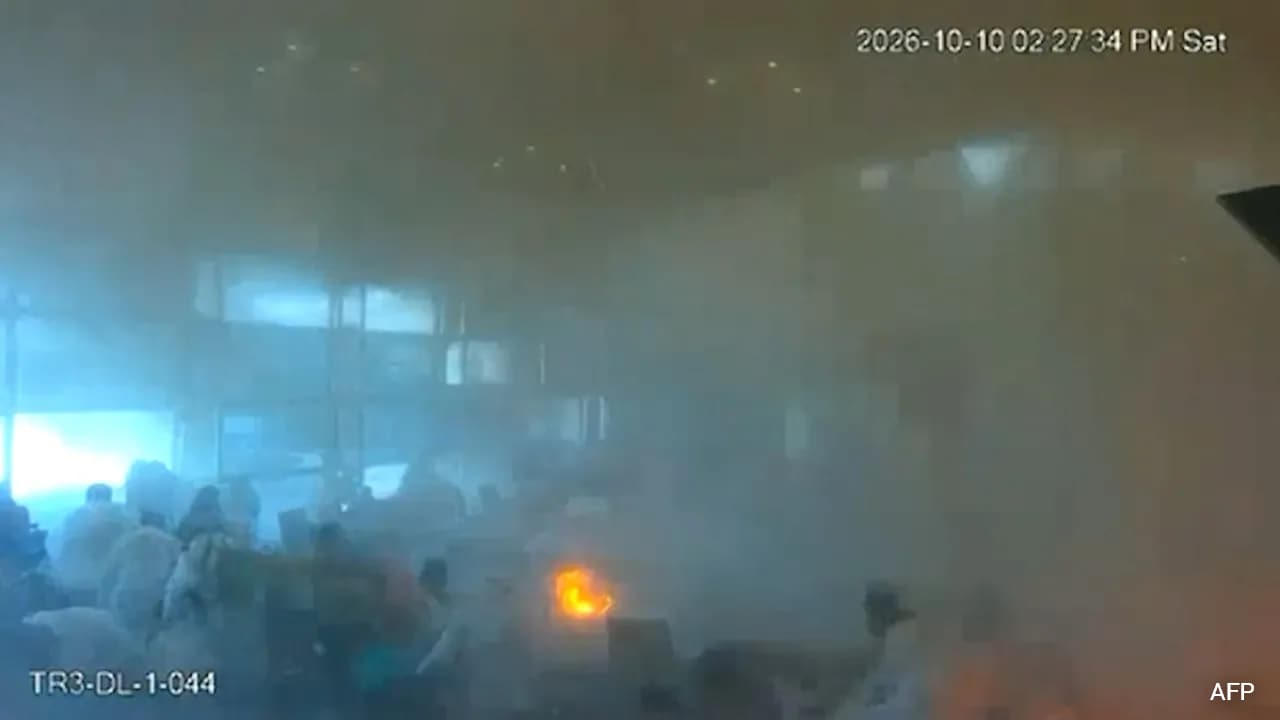
A heavy perimeter fence does not stop panic when an airborne threat becomes tangible. Nuremberg Airport found itself locked down by emergency services following an unverified security threat linked to an incoming flight, bringing a critical regional hub to a standstill and throwing tight European flight schedules into immediate chaos. When local police units, federal border authorities, and specialized explosive ordnance disposal teams converge on an active tarmac, the underlying vulnerabilities of modern European aviation security protocols are instantly exposed.
Travelers stranded inside the terminal terminals and passengers trapped on grounded aircraft experienced hours of paralyzing uncertainty. This incident serves as a stark reminder of how fragile international transit networks remain in the face of anonymous threats, bomb scares, and security anomalies. Understanding why these extreme measures unfold requires looking past the immediate sirens and flashing lights to examine the rigid protocols governing European airspace safety.
The Anatomy of a Tarmac Lockdown
Modern airport security operates on a zero-tolerance threshold. When a potential in-flight emergency or bomb threat is phoned in, radioed from the cockpit, or flagged by intelligence agencies, aviation authorities do not have the luxury of hesitation. Nuremberg Airport, officially known as Flughafen Nürnberg, handles millions of passengers annually, serving as a vital economic artery for Bavaria.
The moment a credible warning reaches air traffic control or federal police, a multi-agency crisis response plan activates automatically.
- Immediate Airspace Restriction: Inbound flights are immediately diverted to alternate regional hubs such as Munich or Frankfurt, while outbound departures are halted cold on the taxiways.
- Isolation Zones: Affected aircraft are taxied to remote, designated isolation pads far away from passenger terminals and fuel farms to minimize potential blast radii or collateral damage.
- Tactical Deployment: Heavily armed federal police units, tactical response teams, and canine units sweep the aircraft, luggage compartments, and passenger cabins.
Passengers caught inside these situations often endure hours of silence. Communication from airline staff is frequently sparse because emergency management protocols dictate that operational security takes absolute precedence over customer service updates.
The Ripple Effect Across European Flight Corridors
An unscheduled closure at a mid-sized German airport creates immediate logistical nightmares that cascade across the continent. European airspace is a tightly synchronized clockwork mechanism. When one gear stops turning, the delay spreads outward in concentric circles.
Aircraft scheduled to depart Nuremberg for international destinations remain grounded, meaning their subsequent return legs are cancelled or delayed by hours. Crew members hit their maximum legal flight duty time limits, forcing sudden cancellations due to mandatory rest periods. Ground handlers scramble to accommodate stranded passengers in overcrowded terminal buildings where food vouchers and hotel rooms are in desperately short supply.
This domino effect highlights the hidden cost of modern aviation efficiency. Lean scheduling practices leave airlines with virtually zero operational buffer. A four-hour security lockdown does not just disrupt four hours of travel; it creates a twenty-four-hour recovery deficit that frustrates thousands of travelers miles away from the original incident.
Protocol Versus Panic
Emergency responses to potential in-flight crises walk a razor-thin line between extreme caution and public panic. In the post-9/11 era, aviation security frameworks err heavily on the side of absolute prevention. False alarms and malicious hoaxes carry massive economic penalties, yet regulatory bodies refuse to penalize airports or airlines for overreacting to credible-sounding threats.
The psychological toll on passengers locked inside a confined aircraft cabin during a police standoff is immense. Trapped without clear information, rumors circulate rapidly via cellular networks and social media, often magnifying the terror of the situation. Aviation psychologists note that lack of transparent communication is the primary driver of panic during airport lockdowns, surpassing even the fear of the physical threat itself.
Authorities face an uphill battle when managing information flow during active investigations. Releasing premature details can compromise tactical operations or tip off perpetrators if a coordinated security threat is underway. Consequently, the public experiences a blackout period where speculation fills the vacuum left by official silence.
As air traffic volumes continue to rebound and surpass pre-pandemic highs, European aviation hubs face mounting pressure to refine their rapid-response frameworks. The Nuremberg Airport lockdown demonstrates that while security apparatuses can successfully lock down a facility and neutralize immediate operational risks, the human and economic collateral damage remains an unavoidable byproduct of keeping the skies safe.
Security protocols will continue to prioritize absolute containment over passenger convenience, leaving travelers at the mercy of the next anonymous threat that forces a runway to go dark.