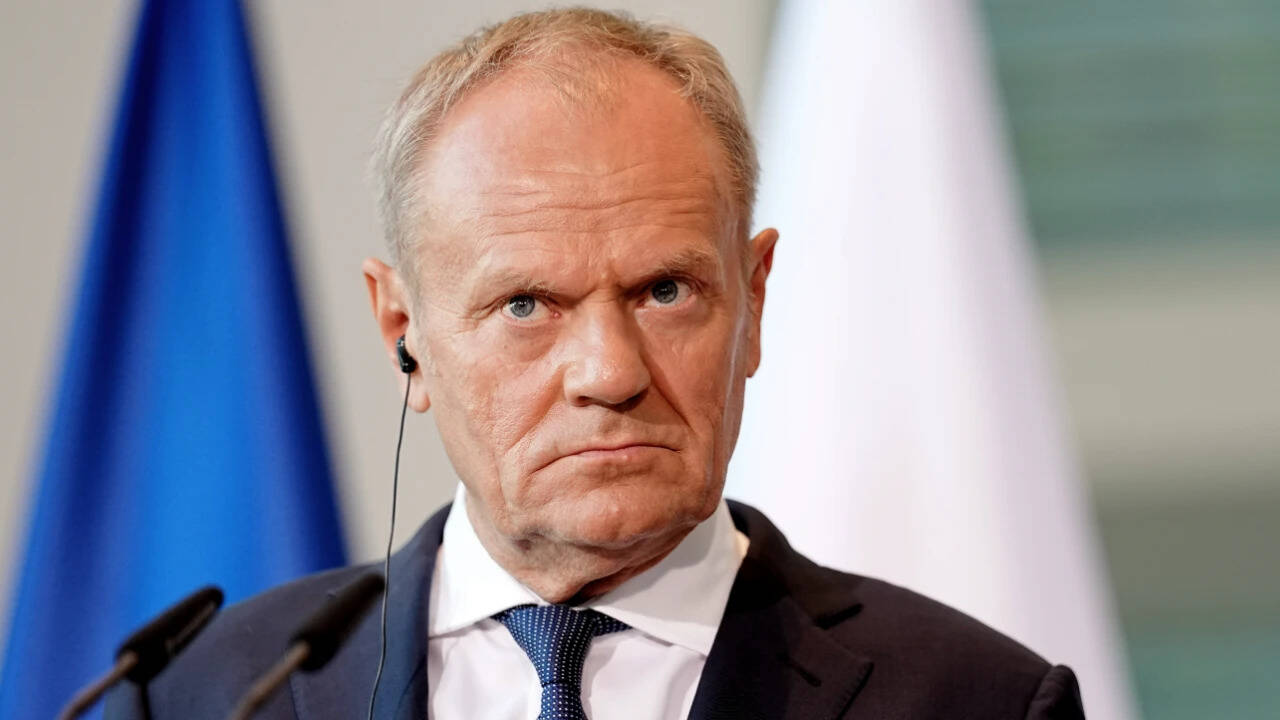
When police intercepted specific intelligence regarding a planned attack on Prime Minister Donald Tusk and Defense Minister Władysław Kosiniak-Kamysz, Warsaw didn't wait. The government triggered an immediate high-level security meeting, exposing the fragile threat landscape facing frontline European Union and NATO nations today.
If you've been tracking European security, you know this isn't happening in a vacuum. Poland sits directly on the geopolitical fault line of the continent. Between intense political polarization, hybrid warfare pressures stemming from the war in Ukraine, and a spike in domestic radicalization, state security apparatuses are working overtime. The swift detention of the primary suspect proved that intelligence sharing works, but the underlying anxiety remains palpable across Warsaw's political corridors.
Why This Security Breach Hit Different
Most political figures receive low-level hostile messages online daily. But security chiefs treat threats differently when intelligence points to an actionable operational window. Private broadcaster Radio Zet and major wire services confirmed that the tip-off came via an electronic communication channel, prompting immediate police intervention.
Prime Minister Tusk noted publicly that the volume of menacing messages targeting Polish state infrastructure has surged year over year. Yet, this specific plot crossed a threshold that demanded an urgent gathering of intelligence chiefs, interior ministry officials, and defense leadership. Investigators pointed out that some detained individuals showed active ties to extremist online subcultures, highlighting how digital radicalization translates directly into physical threats against state leadership.
The Broader Domestic Strain
This security scare collided with an already tense domestic environment in Poland. Weeks prior to the high-profile arrests, the country reeled from a series of violent incidents, including school stubs that forced Tusk to publicly condemn a rising "cult of violence". Emergency services have also faced severe disruptions from waves of swatting and fake bomb threats targeting public figures across the political spectrum.
When the state has to juggle automated prank calls alongside concrete assassination intelligence, resources stretch thin. That reality is precisely why the executive branch convened an emergency crisis session. Security forces cannot afford false complacency when geopolitical tensions run hot.
What Comes Next for Polish Security
Protecting high-profile leaders in a polarized democracy requires a delicate balance between public accessibility and airtight defense. Poland's State Protection Service (SOP) has tightened protective perimeters around key ministries in Warsaw.
Expect tougher scrutiny on digital recruitment pipelines used by extremist groups. Intelligence agencies are scaling up digital monitoring to catch copycat threats before they transition from online forums to real-world plots. The message from Warsaw is clear. Zero tolerance for political violence remains the baseline rule of the day.