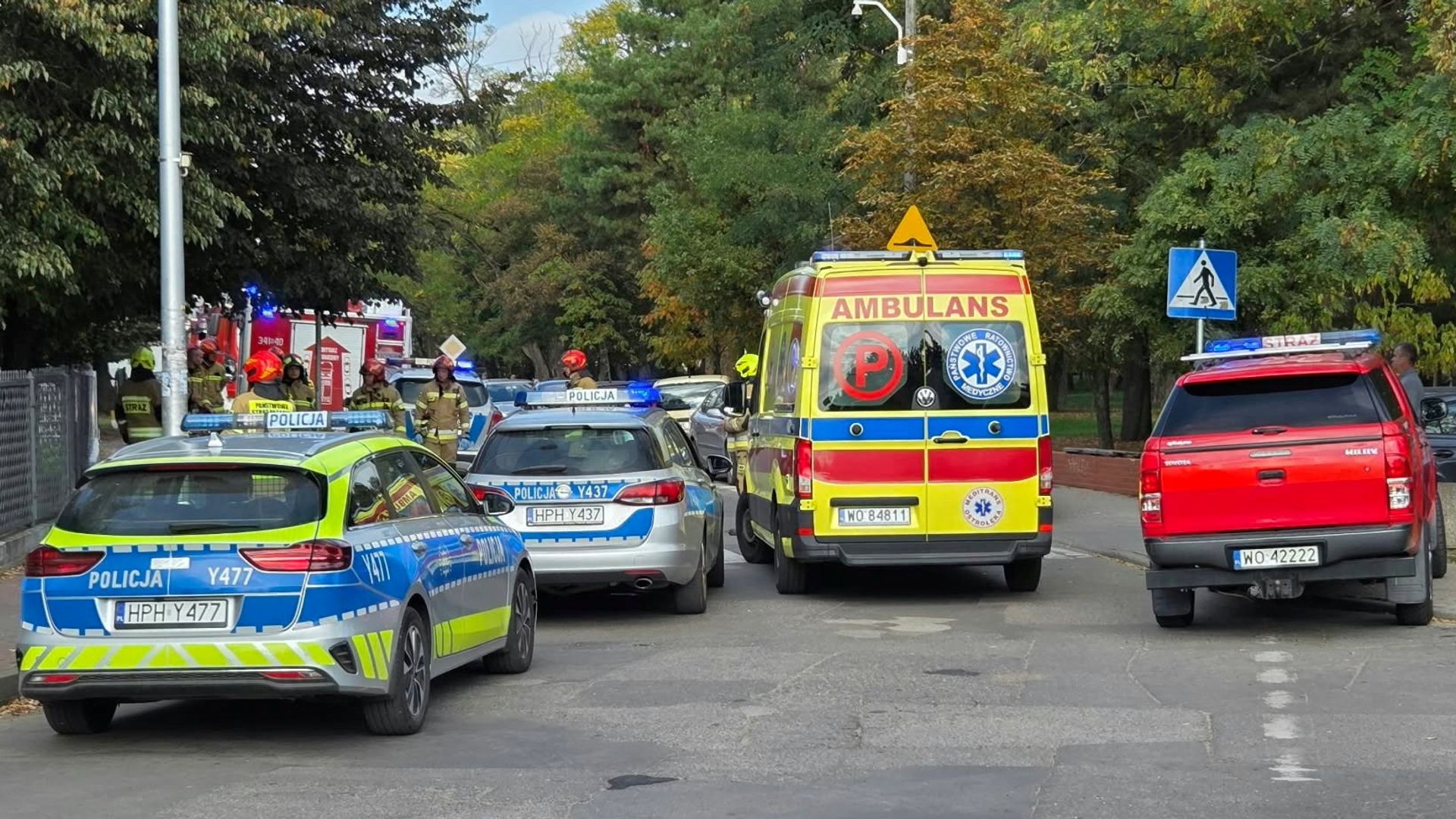
When a wave of targeted violence strikes a nation unaccustomed to such horrors, the immediate political reaction is predictable. Sirens wail, officials promise heightened perimeter security, and commentators point fingers at digital radicalization. But when a series of violent incidents—including a machete and explosive-laden assault at a vocational complex in Ostrołęka that left seven people injured—ruptured a quiet October across Poland, the standard talking points failed to capture the true depth of the fracture. This was not merely an isolated outburst of juvenile delinquency. It was a glaring symptom of institutional neglect, systemic alienation, and an educational infrastructure ill-equipped to handle modern psychological distress.
To understand why a school in central Poland became the center of a national crisis, we must look past the flashing lights and examine the mechanics of how warning signs are routinely missed.
The Anatomy of Institutional Failure
For decades, public schools in Central Europe functioned under an unspoken social contract. They were treated as stable sanctuaries, insulated from the violent anomalies plaguing other Western educational systems. Guidance counselors were frequently overburdened, sharing ratios of hundreds of students per professional, while mental health support remained heavily stigmatized.
When a 19-year-old student walked into Vocational School Complex No. 4 in Ostrołęka armed with a weapon and improvised explosives, the ensuing chaos exposed vulnerabilities that infrastructure improvements alone cannot fix.
Adding a security guard or installing metal detectors treats the temperature of the patient while ignoring the infection. When educational institutions operate as rigid conformity machines rather than adaptive community hubs, alienated youth often slip into online subcultures where violence is glorified.
Consider the logistical hurdles facing rural and mid-sized Polish municipalities. Funding for specialized psychological intervention teams is sparse. Administrators are trained to manage bureaucratic compliance, facilities maintenance, and standardized testing metrics—not counter-extremism or crisis threat assessment.
The Digital Echo Chamber and Copycat Mechanics
Modern adolescent violence rarely occurs in a vacuum. The contagion effect of mediated aggression travels at fiber-optic speeds. When subsequent incidents followed the Ostrołęka assault, security analysts pointed directly to the mechanics of online emulation.
A disturbed individual does not wake up in a vacuum; they consume a steady diet of digitized validation, ideological grievance, and toxic digital community standards.
Yet, legislative responses focusing solely on censorship or filtering European digital laws miss the fundamental root cause. Blaming algorithms is a convenient political deflection. It absolves institutional leadership of the harder, more expensive task of building genuine human connection within classrooms. When a young person feels entirely invisible to their peers, teachers, and family, digital echo chambers offer a synthetic sense of belonging coupled with nihilistic empowerment.
Restoring Sanctuary Requires Radical Transparency
If society genuinely wishes to prevent future tragedies, the conversation must shift from reactionary policing to structural overhaul.
First, student-to-counselor ratios must be drastically reduced. A teacher managing thirty restless adolescents cannot realistically spot the nuanced behavioral shifts of a student on the brink of a violent break.
Second, school administrations must abandon the culture of institutional denial. Often, warning signs—threats, social withdrawal, erratic behavior—are minimized by administrators terrified of damaging institutional reputation.
A system that prioritizes public relations over early intervention is structurally complicit in the outcomes it later condemns. True security in an educational setting is born from trust, where students feel safe enough to report concerning behavior without fear of administrative indifference or brutal reprisal.
The shockwaves from the autumn violence across Poland should serve as a permanent wake-up call. Brick-and-mortar hardening will never substitute for emotional architecture. Until institutions confront their own blind spots, the underlying pressure cooker remains sealed.
Poland school knife attack reported
This video provides an overview of the initial reports following the school attack in Ostrołęka.