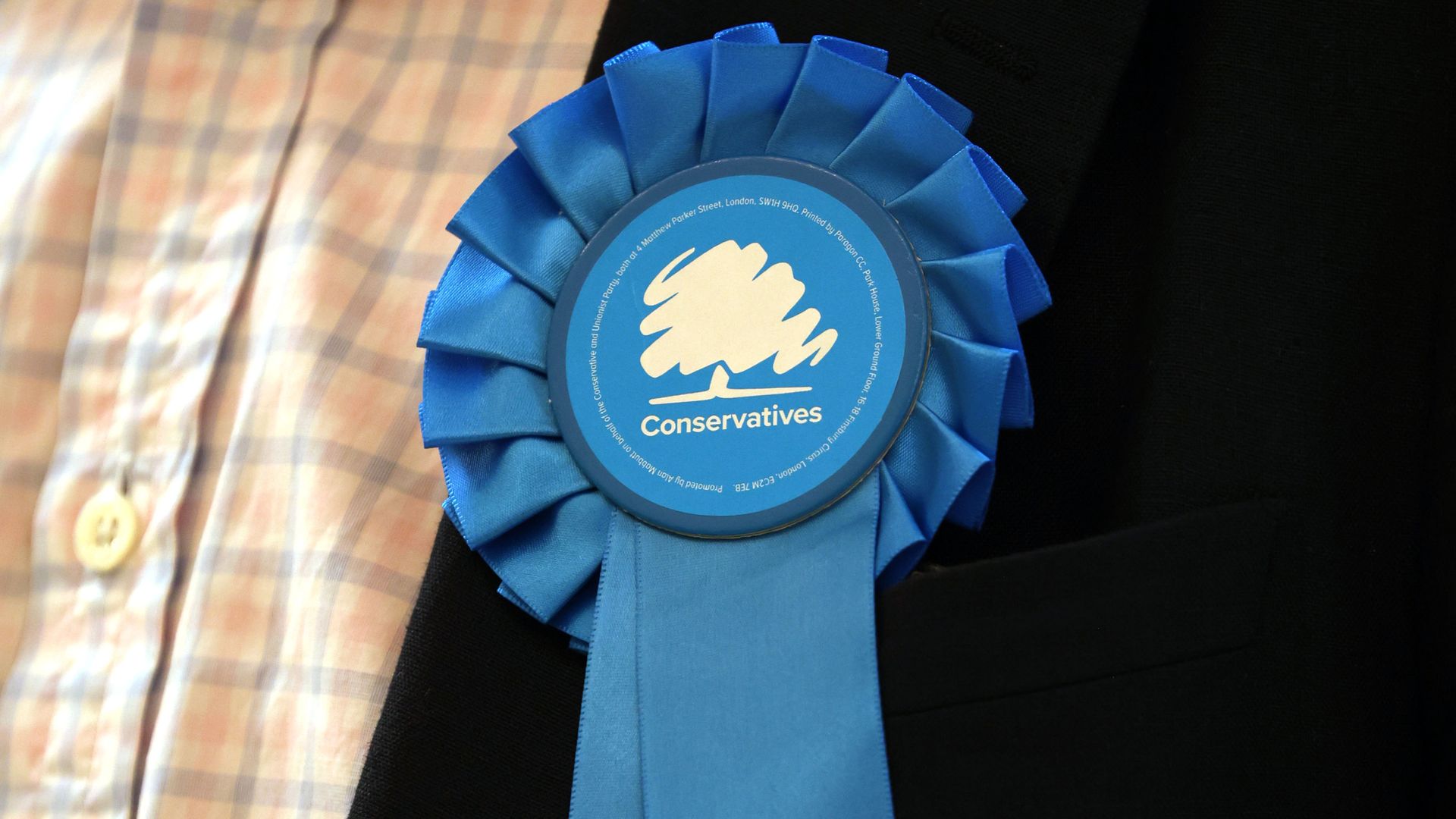
When three Conservative Party political operatives walked out of a London court with suspended prison sentences for insider betting on the 2024 UK general election date, mainstream coverage treated it as a minor legal update. They missed the bigger story. The sentencing of Anthony Lee, Laura Lee, and Amy Hind represents a historic rupture in how insider trading on political events is policed. For decades, political operatives treated secret timing knowledge as an informal fringe benefit. Now, the criminal enforcement apparatus has finally caught up with political prediction abuse.
The mechanics were simple but brazen. Operatives used inside knowledge of former Prime Minister Rishi Sunak’s surprise summer election call to lay thousands of pounds in bets across bookmakers, attempting to scoop tens of thousands in illegal payouts before the public knew a vote was coming. Former Conservative Campaigning Director Anthony Lee alone placed over 60 bets using insider access. What was once dismissed as a minor breach of parliamentary ethics has officially crossed the threshold into corporate-style securities fraud and criminal cheating.
This scandal goes far beyond three low-level operatives. Over a dozen other figures—including former Member of Parliament Craig Williams, who served as Sunak's parliamentary private secretary—have either pleaded guilty or face trial dates stretching into 2028. The court decisions signal a permanent shift in how regulators handle information asymmetry in democracy.
How Insider Information Turned Westminster Into a Betting Floor
Political decision-making generates massive financial volatility. When a Prime Minister decides to dissolve parliament, millions of pounds move across currency markets, political betting books, and global exchanges within minutes.
Insiders realized early on that prediction markets and traditional bookies offered an easy loophole. Unlike public stock exchanges—which are policed by strict financial conduct authorities with automated surveillance systems—political betting markets operated in a gray area for years. Party workers with access to private scheduling calendars, polling memos, and cabinet discussions routinely dropped bets on dates, cabinet resignations, and policy shifts.
The system broke down during the 2024 campaign when bookmaker algorithms flagged an unnatural surge in stakes placed on a July election date right before the official announcement. The Gambling Commission treated these trades not as harmless wagers, but as a direct breach of Section 42 of the Gambling Act 2005, which criminalizes cheating.
To understand how information asymmetry is exploited, consider a hypothetical scenario:
Imagine a senior legislative aide who learns during an off-the-record briefing at 10:00 AM that a major infrastructure bill will be killed at 2:00 PM. If that aide buys short positions on an engineering firm’s stock, financial regulators can flag the transaction and press criminal charges. But if that same aide places a £500 wager on a prediction market betting that the bill fails before sunset, bookmakers historically lacked the cross-border legal leverage to pursue them aggressively.
That immunity has vanished. The sentencing of party operatives proves that regulatory agencies now treat internal government timelines as proprietary, market-moving assets.
The Flaw in Prediction Markets and Political Ethics
The scandal exposes a fundamental vulnerability in modern political governance: the complete absence of rigorous compliance structures inside political parties.
Corporations enforce strict trading windows, blackout periods, and compliance sign-offs for anyone with access to material non-public information. Political parties operate like informal clubs. A campaign director or communications director holds immense knowledge about economic policies, candidate withdrawals, and tax changes, yet few internal mechanisms track what they do on their mobile phones during off-hours.
The problem has been compounded by the explosive global rise of political prediction markets. Platforms outside traditional sportsbooks allow users to hedge or speculate on everything from election outcomes to interest rate decisions. While proponents argue that prediction markets aggregate wisdom better than traditional polls, they create a lucrative incentive structure for political insiders to monetize confidential secrets.
When political figures bet on the very events they control, public trust evaporates. The scandal proved that when politicians control the timing of an event, placing a bet isn't taking a risk—it is cashing in an unearned check.
The Long Legal Shadow Extending to 2028
The recent court orders—which imposed community service, financial penalties, and strict bans prohibiting the convicted figures from using online gambling services for 12 months—are only the first wave.
Court dockets confirm that 15 people were swept up in the initial investigation. High-profile trials for nearly a dozen remaining co-defendants are scheduled to run through late 2027 and early 2028. Former MP Craig Williams, who admitted to placing a £100 wager on the election date just days before the public announcement, awaits his own sentencing while co-defendants go to trial.
This prolonged timeline guarantees that political insider trading will remain in the legal spotlight for years. It forces every major political organization to re-examine how they handle internal security, access rights, and employee conduct.
Regulators are sending a clear message: political access is not a trading strategy.
Democratic institutions cannot function when voters suspect that public announcements are timed to maximize personal betting portfolios. By transforming political cheating into a trackable, prosecutable offense with real criminal records, enforcement agencies have drawn a hard line in the sand.
The era of impunity for political insiders is over. Anyone sitting on confidential government secrets who thinks they can quietly drop a wager on a prediction market is about to find out how quickly a sure thing turns into a criminal conviction.