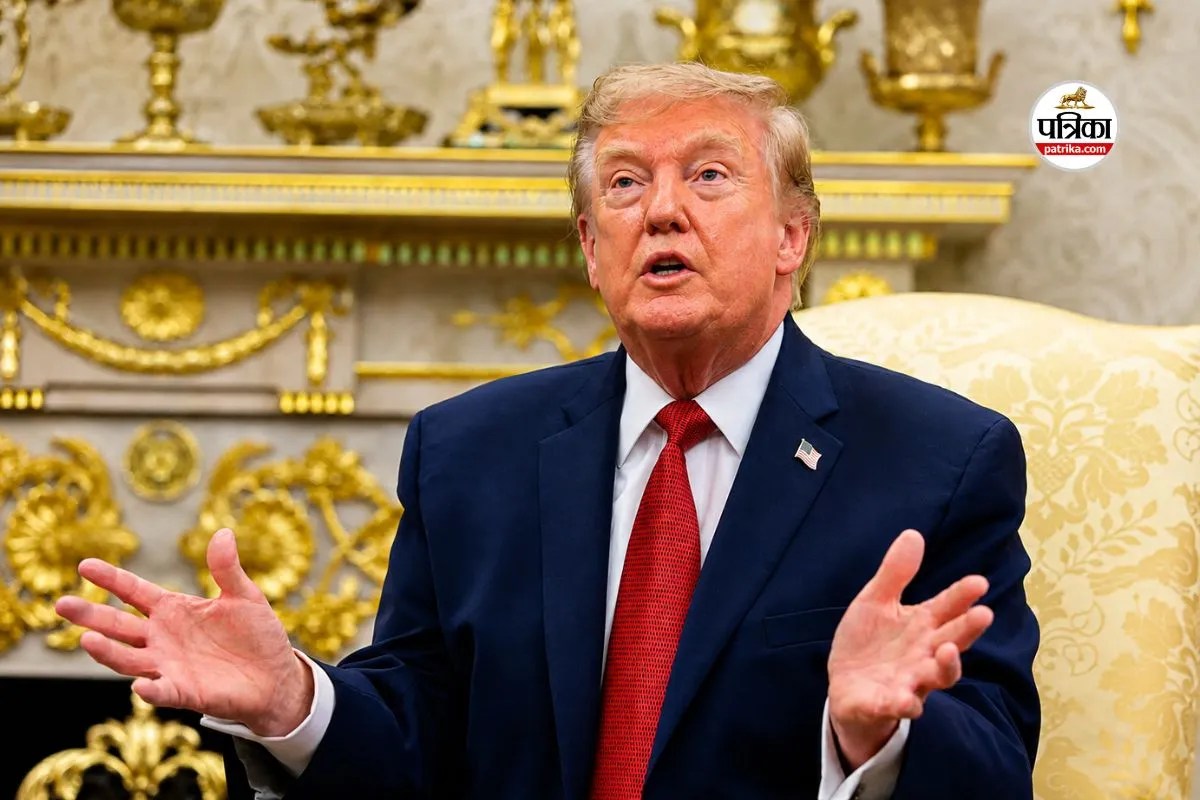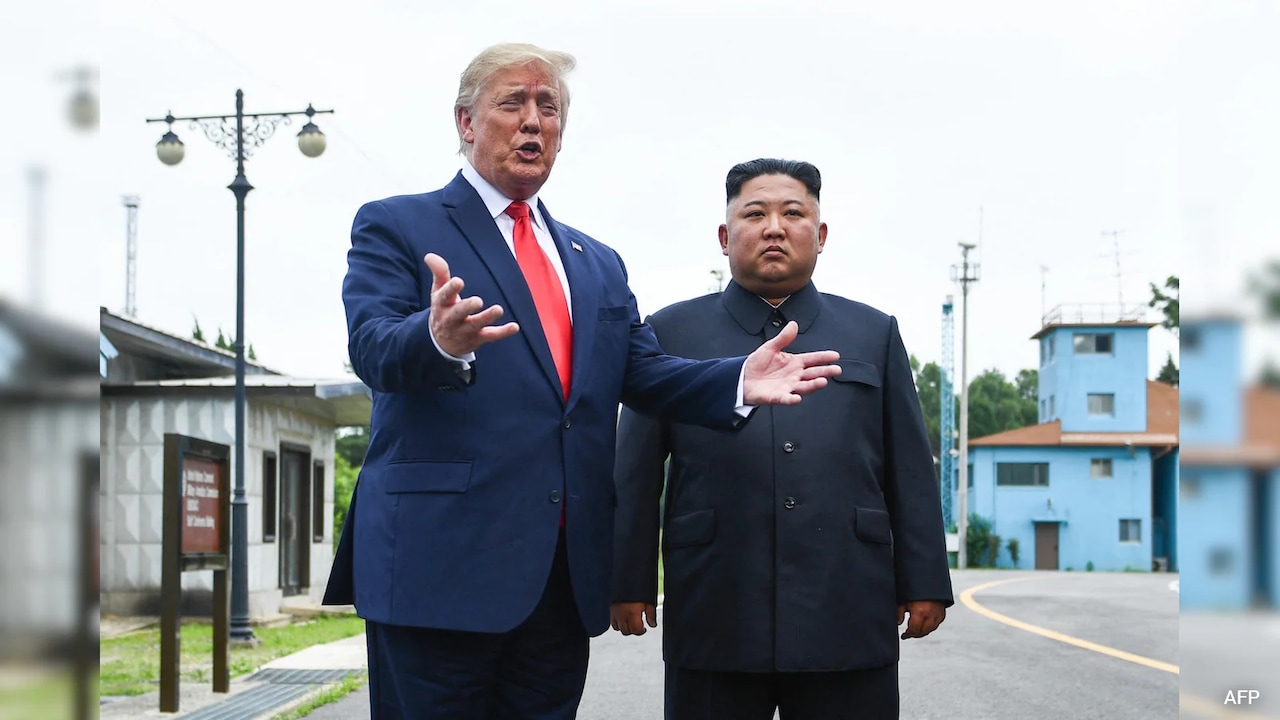
U.S. President Donald Trump dropped an unvarnished and remarkably specific figure regarding Pyongyang's atomic capabilities, asserting that North Korean leader Kim Jong Un commands precisely 57 nuclear weapons while confirming plans for a bilateral summit later this year.
The declaration, delivered during an impromptu exchange outside the White House, immediately scrambled the strategic calculations of foreign policy analysts. Official Washington has long avoided pinning an exact integer on the reclusive regime's stockpile, preferring broad probabilistic ranges compiled by intelligence agencies and non-governmental think tanks. By citing the number 57, the White House thrust an esoteric debate over fissile material production straight into the headlines, framing future diplomatic overtures around an expanded and hardened nuclear reality.
The Arithmetic of Isolation
How does an international pariah state manufacture nearly six dozen atomic warheads under the crushing weight of global economic sanctions? The answer lies in decades of systematic industrial adaptation, clandestine uranium enrichment facilities, and the steady operation of graphite-moderated reactors at the Yongbyon Scientific Research Center.
Independent monitoring groups, including the Stockholm International Peace Research Institute, have tracked Pyongyang's steady output for years, estimating stockpiles hovering around 60 assembled warheads with ongoing fissile material generation.
- Plutonium separation circuits operating in cyclical pulses.
- Centrifuge cascades dedicated to high-enriched uranium production.
- Deep underground storage facilities carved into granite mountain ranges.
These components form an industrial network engineered specifically to survive total economic embargoes. Every operational cycle adds discrete grams of plutonium or enriched uranium to the national inventory, pushing the total past previous Western projections and cementing the regime's status as a de facto nuclear state.
The Personal Diplomacy Paradox
Trump's stated intention to revive face-to-face negotiations with Kim rests on a controversial premise: that personal rapport can manage an adversary possessing an expanding arsenal.
The historical precedent remains fraught. Previous high-profile engagements in Singapore and Hanoi produced spectacular television broadcasts but zero structural disarmament. North Korea offered partial concessions on specific research sites while protecting its wider network of hidden enrichment infrastructure.
Critics argue that meeting a nuclear-armed adversary without preconditions elevates their standing on the global stage without extracting strategic concessions in return. Yet proponents point to the alternative—decades of strategic patience that failed to halt the construction of those exact 57 warheads.
The Regional Security Spiral
The timing of this diplomatic pivot intersects with volatile regional dynamics. Pyongyang continues to dismiss goodwill gestures, including Washington's decisions to scale back joint military exercises with South Korea, viewing the defensive drills as fundamentally hostile. Meanwhile, strategic alignment between North Korea, Beijing, and Moscow has tightened significantly, providing Pyongyang with diplomatic shielding at the United Nations Security Council that did not exist during the first wave of summits in 2018.
A meeting slated for later this year, potentially timed around international economic summits in Asia, will test whether personal charisma can pierce an institutionalized weapons program. Pyongyang has made its position unambiguous. The status of its nuclear forces is closed for discussion, leaving Washington to decide whether talks can succeed where deterrence and isolation have plateaued