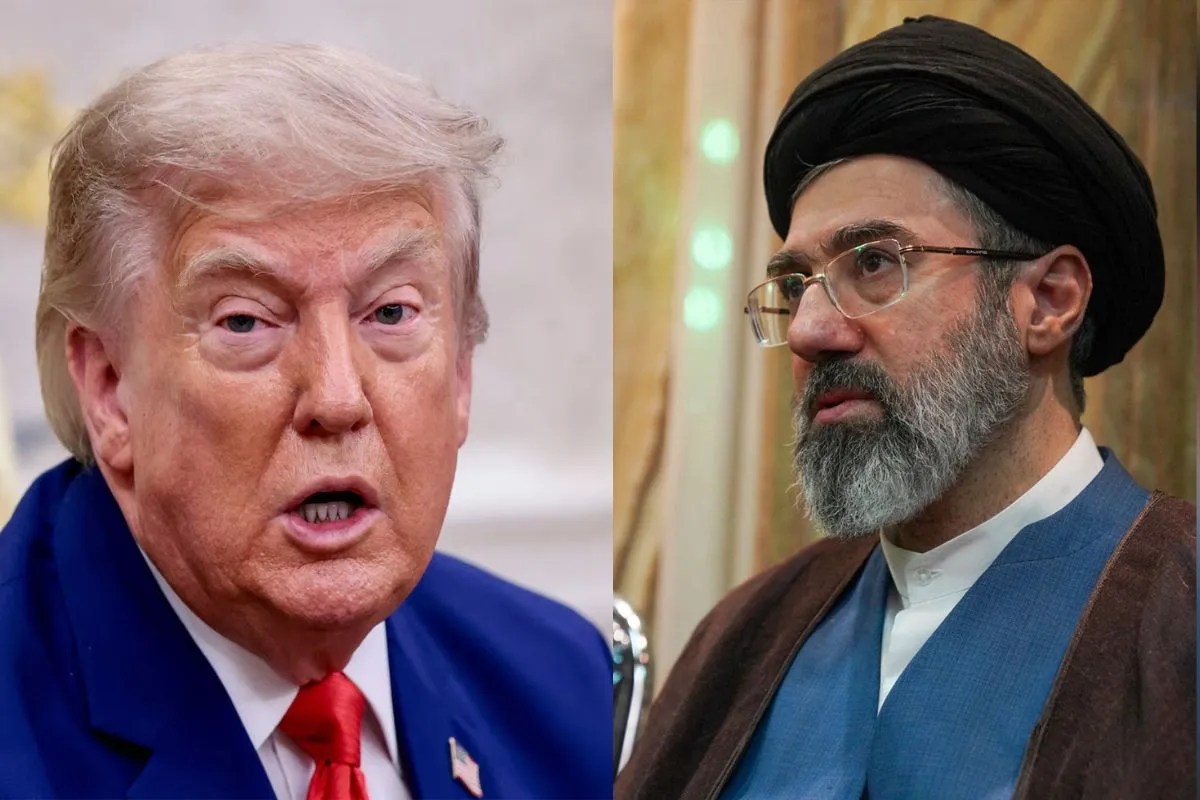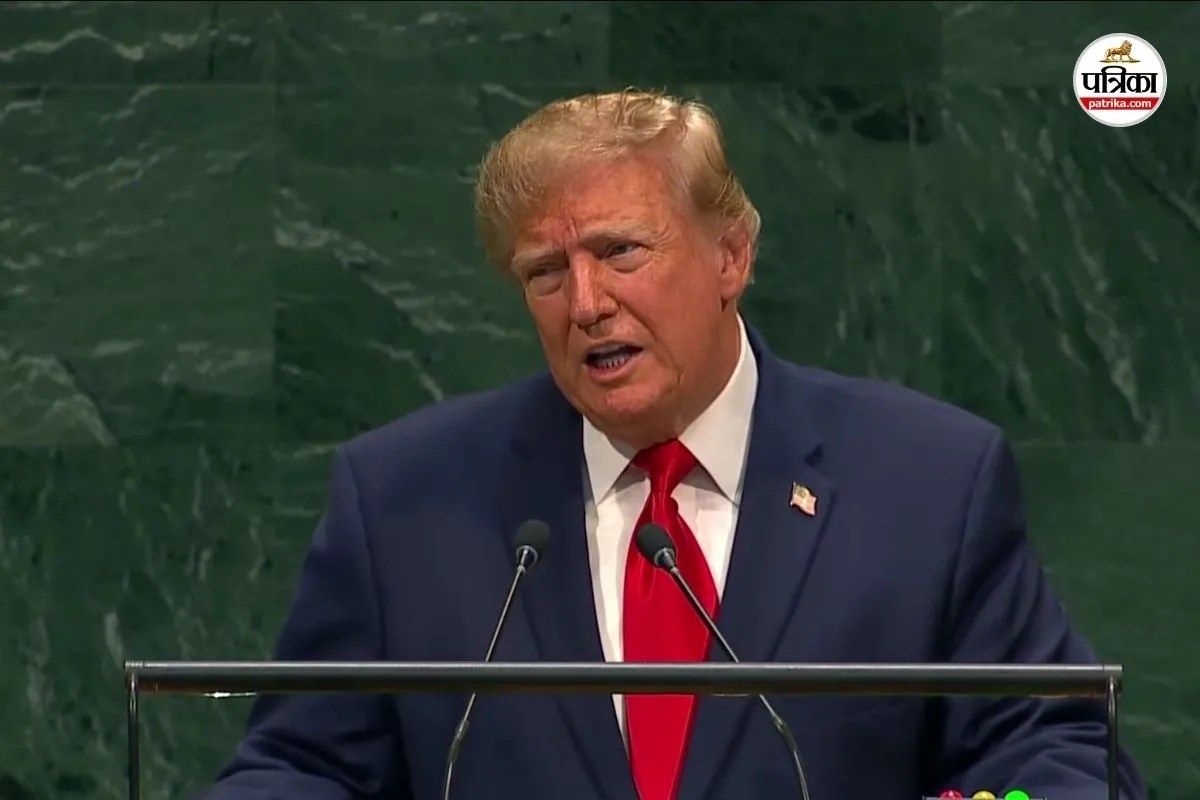
President Donald Trump waived sweeping secondary tariffs and sanctions on Russian energy buyers in mid-October 2026, just days before a statutory deadline threatened duties of up to 100 percent on countries purchasing Moscow's crude. For New Delhi, which has emerged as the largest buyer of Russian seaborne crude in 2026, the move removed an immediate trade shock. India's ambassador to Russia, Vinay Kumar, met the shift not with celebration, but with a blunt reminder that New Delhi's energy security and affordable supply lines for 1.4 billion people were never up for foreign negotiation in the first place.
Headline writers love a neat reversal. Trump backs off, India stands firm, case closed.
Energy markets do not work on tidy headlines. Behind Executive Order 14436 sits a collision of refinery economics, Middle Eastern chokepoints, domestic pump prices in the United States, and a legislative standoff between the White House and Capitol Hill. Anyone who treats Washington's waiver as a permanent truce is reading the wrong ledger.
What Trump Actually Waived and Why
To understand why the White House blinked on October 16, 2026, look at the calendar rather than the rhetoric. Just weeks earlier, on September 18, Trump signed the Lindsey O. Graham Sanctioning Russia and Iran Act of 2026 into law. That statute gave the president a durable congressional weapon—distinct from earlier executive tariff authorities that had run into legal headwinds—to slap steep penalties on Russian goods and up to 100 percent tariffs on third countries buying Russian oil and gas.
Enforcement was slated to bite around mid-October. Enforcing it meant confronting reality.
Global crude markets were already straining under Middle Eastern supply disruptions. Meanwhile, domestic fuel costs inside the United States were hurting consumers and businesses, with American diesel prices hitting roughly $6.50 per gallon. Days before issuing the waiver under Section 115 of the Graham Act, the U.S. Treasury's Office of Foreign Assets Control had already issued General License 135 on October 9, permitting certain imports of Russian diesel into the U.S. market through April 7, 2027.
Let that sink in. Washington was preparing to punish major buyers of Russian crude with punitive tariffs while simultaneously opening a regulatory window for Russian diesel to ease domestic U.S. fuel tightness.
Legally, the October 16 executive order did not repeal the Graham Act or dismantle the entire sanctions architecture against Moscow. Existing asset freezes and financial restrictions remain in force, and statutory prohibitions on Russian sovereign debt purchases took effect upon enactment. What Trump did was suspend prospective duties and new restrictions by certifying to Congress that withholding them served U.S. national interests.
A waiver on paper is an option held by the White House, not a treaty binding future administrations or next month's oil market.
Vinay Kumar's Playbook and New Delhi's Leverage
When Indian envoy Vinay Kumar reiterated that India's energy policy is anchored in securing predictable, competitively priced supplies from diverse sources for 1.4 billion citizens, he was stating a doctrine that predates the latest Washington drama. New Delhi has long treated energy procurement as a matter of economic survival and strategic autonomy rather than ideological alignment.
Kumar's counter-arguments cut directly at Western hypocrisy. Pointing out that European nations have imported more than $320 billion worth of Russian energy resources since 2022—far exceeding bilateral trade between India and Russia—exposes the moral double standard in much of the criticism aimed at Indian refiners. Why should a developing economy with roughly 25 days of crude stock cover and heavy reliance on Middle Eastern transit routes absorb maximum economic pain when major Western economies have continued their own energy and commercial ties with Moscow?
Numbers tell the story of how central Russian crude has become to India's balance sheet. Ship-tracking data shows India averaging roughly 1.8 million barrels per day of Russian seaborne crude across 2026, ahead of China at around 1.2 million barrels per day, after hitting mid-year peaks near 2.6 million barrels per day in June and 2.57 million in July. That volume gives Indian refiners real bargaining power in global crude markets.
Consider a hypothetical example to see how refinery math works on the ground. Suppose an Indian coastal refiner has a choice between a Middle Eastern cargo exposed to maritime insurance spikes and transit delays, and a discounted Russian Urals shipment arriving on a shorter voyage. Even if the discount narrows from earlier highs, keeping barrels flowing protects refinery margins and keeps domestic fuel inflation contained. No finance ministry in New Delhi willingly surrenders that buffer without an ironclad guarantee of replacement supply at comparable cost.
The Hidden Catch in Temporary Relief
Trade analysts and policy watchers have warned that relief granted by executive waiver carries sharp strings. Because the Graham Act remains on the books, the waiver has no fixed expiration date—which also means Washington can revoke it whenever political incentives shift.
That creates a distinct trap for Indian procurement planners and exporters. If refiners lock in multi-month commercial commitments assuming Washington's posture is settled, they expose themselves to sudden policy whiplash if Middle East shipping normalizes, U.S. fuel prices cool, or congressional hawks—including Senator Lindsey Graham and lawmakers angered by the Russian diesel carve-out—force a tougher line.
Meanwhile, New Delhi is juggling parallel diplomatic tracks. Trade negotiators from India and the United States have been working to advance a bilateral trade agreement—with U.S. Secretary of State Marco Rubio visiting India in October 2026 as trade and energy remained front and center—while India is also pursuing negotiations toward a free trade agreement with the Eurasian Economic Union and eyeing a $100 billion bilateral trade target with Russia by 2030 after posting $38 billion in the first half of 2026.
| Dimension | Washington's Position | New Delhi's Position | Practical Market Impact |
|---|---|---|---|
| Sanctions & Tariffs | Waived prospective Graham Act tariffs and sanctions via EO 14436, but statute stays intact. | Rejects unilateral external pressure on sovereign energy sourcing. | Near-term tariff relief, but long-term contract risk remains elevated. |
| Energy Priorities | Wants to curb Moscow's war revenue while protecting U.S. fuel prices and supply stability. | Prioritizes affordable, diverse, predictable supply for 1.4 billion people. | India stays a top buyer of Russian seaborne crude around ~1.8 million bpd. |
| Trade & Diplomacy | Pairs sanctions leverage with trade talks and selective diesel licensing. | Diversifies export markets, pushes EAEU trade talks, and advances U.S. trade discussions. | Bilateral friction is managed tactically rather than resolved permanently. |
What Buyers, Refiners, and Policymakers Should Watch Next
There is a gray area where diplomacy meets commercial reality. Washington's October waiver does not erase shipping insurance hurdles, banking compliance checks, or the fact that Middle Eastern instability can alter crude differentials overnight. Nor does New Delhi's firm rhetoric eliminate the need to diversify suppliers; relying too heavily on any single bilateral channel carries its own concentration risk.
Anyone tracking energy markets or bilateral trade between Washington, New Delhi, and Moscow should watch three concrete signals rather than diplomatic soundbites:
- OFAC license renewals and enforcement guidance: Track whether Treasury extends or tightens energy-related authorizations beyond spring 2027 and how compliance teams interpret residual sanctions under the Graham Act.
- Monthly seaborne crude flows and discounts: Watch ship-tracking totals against the ~1.8 million barrels per day baseline to see whether Indian refiners are buying opportunistically on price or locking in rigid long-term volumes.
- Trade pact text and non-tariff concessions: Look at concrete language in U.S.-India trade negotiations and Eurasian Economic Union talks—especially around agriculture, marine exports, and customs barriers—to see whether energy disputes are being traded off against broader market access.
Power in global energy rarely belongs to the side shouting loudest at a podium; it belongs to whoever controls physical barrels, refining capacity, and alternative routes when the next supply shock hits.