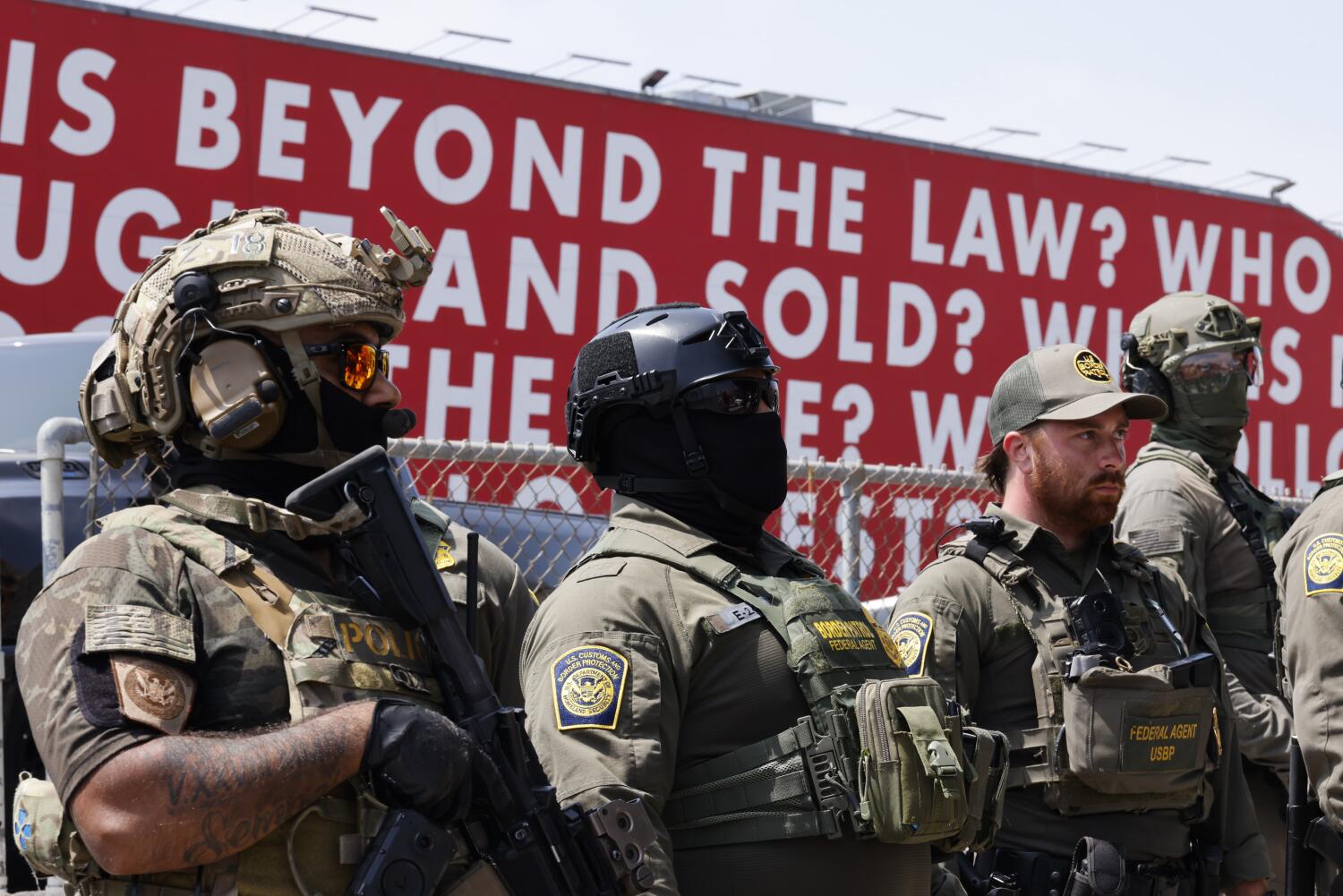
Institutional rot rarely announces itself with sirens. More often, it arrives quietly, wearing a badge, buried inside internal messaging channels and normalized behind closed doors. Federal accountability faces a severe test following revelations concerning the use of derogatory language within Border Patrol networks. When government employees weaponize dehumanizing terminology against migrants, the crisis extends far beyond poor professional conduct. It exposes deep systemic fractures within the apparatus tasked with immigration enforcement.
Decades of reporting on federal agencies reveal a consistent pattern. Oversight mechanisms are frequently designed to absorb pressure rather than inflict structural change. Secret digital forums, hidden group chats, and unmonitored communication channels among law enforcement personnel operate as incubators for abusive subcultures. This investigation unpacks the anatomy of institutional misconduct, examining how internal slang functions as a diagnostic tool for systemic failure.
The Architecture of Impunity
Culture in federal law enforcement forms from the bottom up while management looks away. Agents operating in remote sectors develop insular codes. Over time, these insular codes harden into protective tribalism. The use of derogatory nicknames or slang terms for detained individuals is not merely a collection of isolated unprofessional remarks. It represents a shared language of detachment. Dehumanization serves a functional purpose for individuals tasked with managing harsh, high-pressure environments. By reducing human beings to pejorative labels, personnel create psychological distance between themselves and the individuals in their custody.
Mechanisms of Normalization
New recruits enter systems where established veterans dictate acceptable behavioral baselines. If leadership ignores low-level infractions, a permissive environment spreads rapidly.
- Informal peer pressure discourages internal reporting.
- Administrative backlogs delay disciplinary hearings for years.
- Union protections frequently shield problematic personnel from swift termination.
- Oversight boards lack independent subpoena power in critical jurisdictions.
When these elements combine, accountability stalls. The system protects its own, prioritizing institutional reputation over transparency.
Institutional Blind Spots and Oversight Failures
Congress holds statutory authority to oversee agencies like Customs and Border Protection. Yet, legislative oversight often lacks the teeth required for meaningful reform. Committee hearings generate headlines, but they rarely alter daily operational practices in remote desert sectors or crowded processing facilities. Internal affairs divisions face structural bottlenecks. Investigators frequently encounter a wall of silence when probing peer misconduct.
Consider the role of digital communication. Modern law enforcement personnel carry smartphones capable of instantly transmitting text, images, and memes across vast networks. Secret groups on encrypted platforms bypass institutional record-keeping requirements. When these communications leak, the public catches a rare glimpse of an otherwise opaque culture. Agency leadership routinely issues statements condemning the uncovered behavior as antithetical to core values. Those statements ring hollow to investigators who document chronic inaction.
The Cost of Complicity
Language shapes policy execution. An agent who routinely uses derogatory terminology internally is less likely to respect the constitutional and human rights of detainees during high-stress encounters. Civil rights organizations have documented numerous instances where systemic internal bias directly correlates with operational abuses. The failure to police language at the micro level enables structural failure at the macro level.
Public trust erodes incrementally. Every confirmed report of normalized bigotry within federal ranks chips away at the foundational legitimacy of the state. Communities living near border zones absorb the immediate impact of this disconnect. They experience an enforcement apparatus that operates with minimal local accountability.
Reforming an entrenched bureaucratic culture requires more than mandatory sensitivity training modules. True transformation demands structural disruption. Independent oversight boards with disciplinary teeth must replace toothless internal review panels. Whistleblower protections must be ironclad, shielding personnel who expose toxic subcultures from professional retaliation. Until leadership embraces radical transparency, federal agencies will continue stumbling from one avoidable scandal to the next.