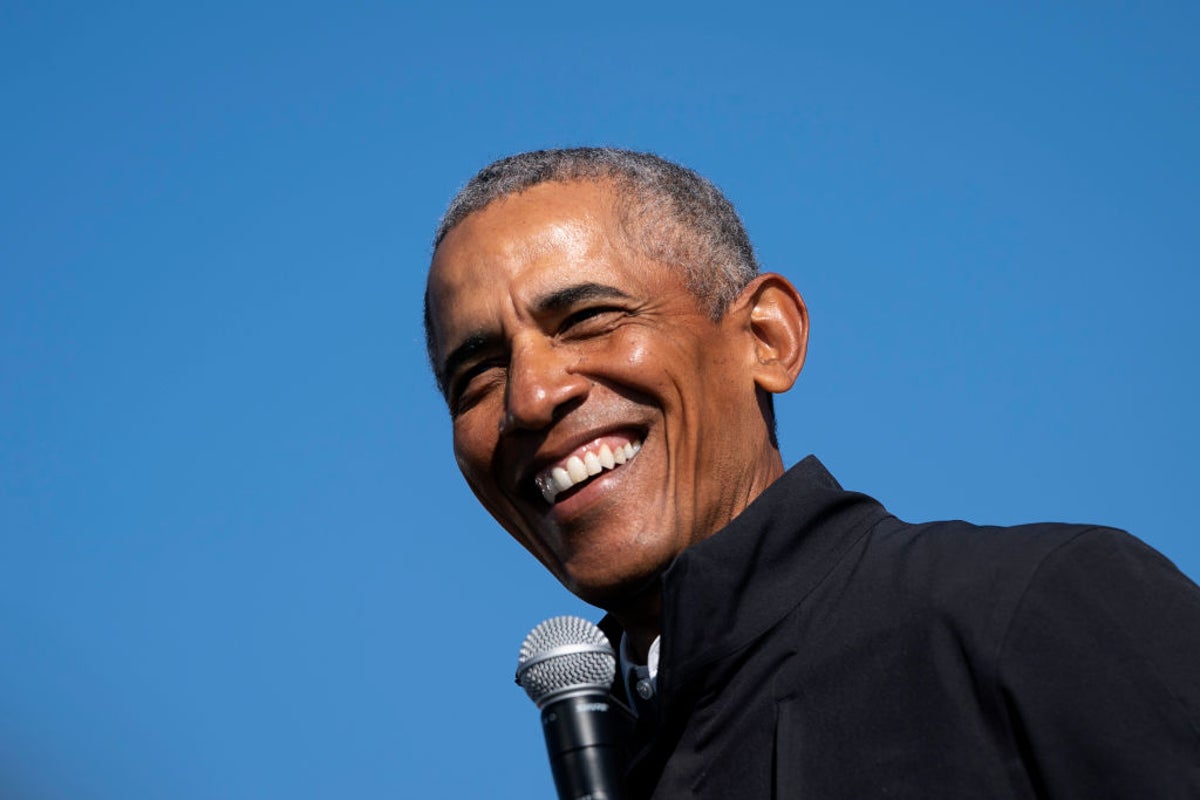
When Barack Obama picks up the telephone to dial a media personality, power structures shift beneath the surface of American politics. The former president reached out to ESPN commentator Stephen A. Smith during the intense crucible of the 2024 election cycle, specifically following public friction over Joe Biden's political viability. This wasn't a casual chat between casual acquaintances. It was a calculated intervention by the most influential operational mind in modern Democratic party history, targeting a megaphone that commands millions of independent and culturally diverse viewers.
The mechanics of modern political influence have long since moved past the traditional press briefing room. Today, power flows through crossover commentators who occupy the rare intersection of sports, culture, and hard news. Stephen A. Smith spent years building a sports-talk empire on ESPN before expanding into broader cultural and political commentary. When he openly criticized the decision-making apparatus surrounding Joe Biden, particularly following the chaotic debate stages that rattled the Democratic establishment, the shockwaves registered immediately in Washington.
Barack Obama operates as the ultimate behind-the-scenes arbiter of Democratic fortunes. While other party grandees panic openly, Obama maintains a disciplined distance, pulling levers through private channels rather than public decrees. The phone call to Smith represents a classic maneuver from the playbook of an executive who understands that media narratives cannot be countered with mere press releases. They must be engaged at the source.
Understanding why this particular conversation happened requires examining the unique demographic and cultural footprint Smith commands. Traditional political shows preach primarily to converted partisans who already know how they will vote. Smith reaches millions of sports fans, working-class men, and minority voters who frequently tune out standard cable news broadcasts. When a voice like that dissects presidential competence or questions party strategy, non-aligned voters listen.
The 2024 election cycle exposed deep fractures within traditional media alliances. Political campaigns can no longer rely on uncritical coverage from legacy networks. Instead, they must contend with independent commentators who wield massive digital platforms and answer to no corporate news director. Obama recognized that allowing a critique of Biden's viability to solidify among culturally influential commentators posed a severe threat to party cohesion.
Private phone calls from former presidents carry immense psychological weight. They blend flattery with subtle pressure, reminding the recipient of their national platform while gently steering them toward a broader strategic perspective. Obama did not convince Smith to become an unconditional cheerleader, but the outreach highlighted a desperate scramble within the party hierarchy to manage public messaging during an unprecedented historical moment.
The convergence of sports broadcasting and political commentary is not an accidental byproduct of modern media consumption. Viewers increasingly crave authentic, unscripted reactions from personalities they feel they know personally. Sports analysts spend decades learning how to read momentum, evaluate performance under pressure, and call out failure without hesitation. When those same analytical toolsets get applied to a faltering political candidate, the traditional political establishment struggles to spin the narrative.
Political veterans understand that sports commentators often possess more raw persuasion power than institutional journalists. Journalists are tethered to editorial guidelines, access journalism, and institutional decorum. Commentators like Smith thrive on unfiltered bluntness. They say out loud what ordinary citizens discuss at barbershops, office watercoolers, and family dinner tables.
When Obama dialed Smith's number, he was acknowledging a fundamental shift in political communication. The gatekeepers have lost their monopoly on validation. Influence now belongs to those who can capture attention spans fragmented across social media feeds, podcasts, and live streaming platforms. A private phone call from a former head of state remains a potent instrument, but its necessity proves that the old rules of media control are completely dead.
The episode also underscores the delicate dance between political power and cultural commentary. Commentators risk losing their hard-earned credibility if their audiences suspect they are being co-opted by political operatives. Conversely, politicians risk electoral disaster if they ignore the cultural heavyweights who shape public perception outside the Beltway bubble.
As the dust settles on that tumultuous election cycle, the interaction between Obama and Smith serves as a masterclass in modern influence mapping. It demonstrates how backroom diplomacy adapts to a media landscape driven by independent voices and digital empires. Power no longer resides solely in executive suites or legislative cloakrooms. It lives wherever millions of citizens tune in every single day.