The political architecture of Pakistan has long operated on an unwritten, albeit cynical, code of conduct where bloodlines were treated as separate from the immediate theater of state confrontation. That unwritten boundary dissolved entirely when administrative detentions swept up the family members of imprisoned former Prime Minister Imran Khan. The tactic of targeting non-political relatives—specifically his sisters Aleema, Uzma, and Noreen—reveals a profound shift in how the state handles systemic opposition. This is not merely a localized law enforcement action. It is a desperate maneuver designed to neutralize a stubborn grassroots movement by cutting off its emotional and organizational figureheads before a planned national mobilization.
To understand why the government resorted to detaining family members under the Maintenance of Public Order (MPO) ordinance, one must examine the fragility of the ruling coalition. Imran Khan has remained incarcerated behind the high walls of Adiala and Kot Lakhpat prisons since August 2023, facing a battery of legal challenges. Despite continuous pressure, judicial hurdles, and the systematic clipping of the Pakistan Tehreek-e-Insaf (PTI) party structure, Khan's popular appeal has stubbornly refused to evaporate. When political parties are stripped of their electoral symbols, blocked from holding traditional rallies, and subjected to mass arrests of mid-tier cadre, leadership vacuum creates alternative channels of defiance. In this environment, Khan's sisters stepped into the public eye, acting as proxies for a jailed leader who could no longer speak directly to the masses.
The state response was swift and uncompromising. Administrative orders were deployed to lock away Aleema Khan, Uzma Khan, and Noreen Niazi, utilizing legal instruments inherited from colonial-era rule that allow preventive detention without formal charges. The rationale offered by authorities pointed to potential disruptions of public order ahead of high-stakes opposition marches. Yet, the timing of these detentions—weeks before planned demonstrations—exposed the underlying anxiety within the establishment. When a government relies on preventive incarceration of elderly family members rather than political engagement, it signals an admission of weakness disguised as strength.
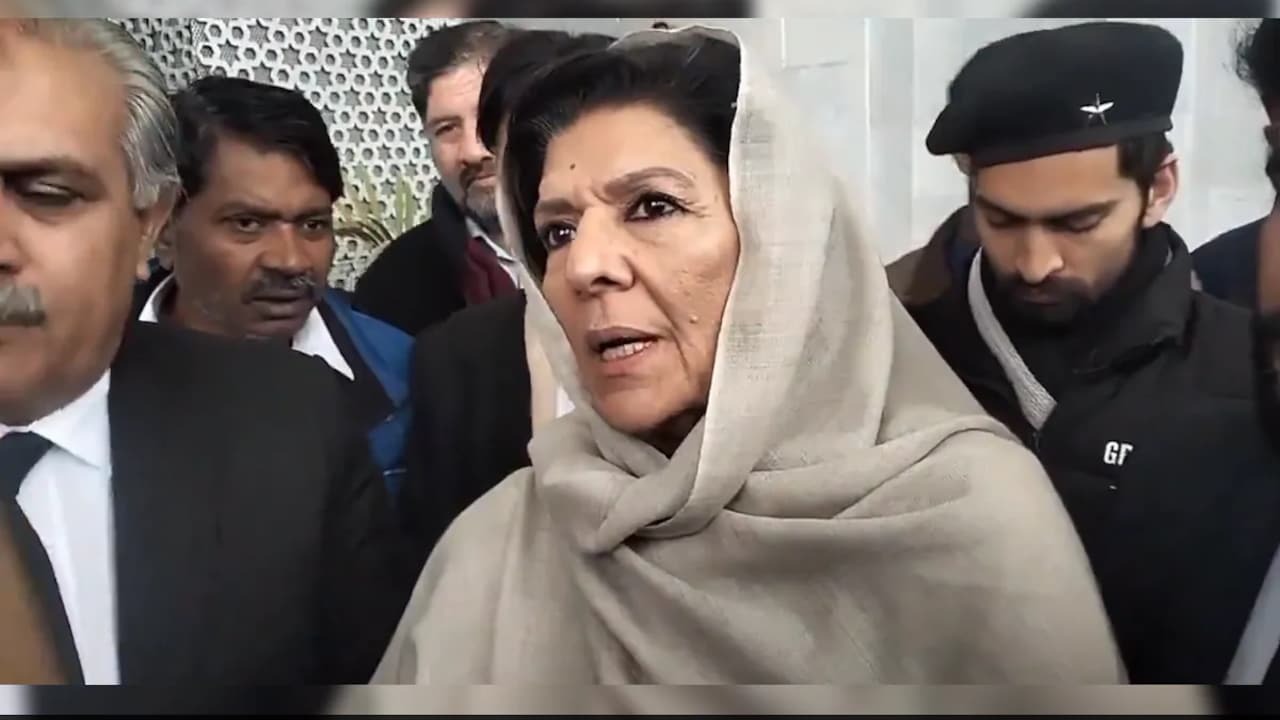
This strategy carries severe long-term consequences for the stability of the country. By erasing the distinction between active political combatants and family members, the state eliminates any remaining off-ramps for political reconciliation. Every arrest acts as an accelerant, converting private family grievances into public badges of honor. When Uzma Khan and Noreen Niazi were eventually released following the withdrawal of their detention orders while Aleema remained confined, the gesture did little to appease an angry base. Instead, it underscored the arbitrary nature of executive power, where detentions and releases function as political toggle switches rather than judicial outcomes.
The broader economic backdrop compounds these political tensions. Crippling inflation, energy scarcity, and deep-seated public discontent mean that the street is already a volatile space. The administration's playbook relies on containerized blockades, internet throttling, and preemptive roundups of opposition workers across Punjab. Yet history suggests that barricades and detention orders do not extinguish popular movements; they merely compress the pressure until the containment fails.
As the legal battles drag on and the health of the former prime minister remains a constant flashpoint for his supporters, the confrontation between the state and the PTI has transformed into a war of attrition. The state is betting that total saturation of force can break the collective will of the opposition. Meanwhile, the opposition relies on the sheer unsustainability of ruling through perpetual coercion. The release of two sisters while the core structural conflict remains entirely unresolved demonstrates that the government is merely managing symptoms while the underlying systemic fever continues to rise.
This video provides visual context regarding the public reactions and media framing surrounding the release and detention of Imran Khan's family members in Lahore.