Tehran has drawn a hard line in the sand, warning that military escalation and targeted strikes will follow within weeks unless Washington fully honors the terms of the recent interim peace agreement. Senior Iranian officials confirmed on Monday that failure to lift the ongoing naval blockade and comply with financial provisions will trigger a precise military response to force open vital shipping lanes. Diplomatic channels established after the June memorandum have hit a severe roadblock. Both sides are digging in deeper than at any point since the open hostilities earlier this year.
The underlying mechanics of this crisis extend far beyond standard geopolitical posturing. Following the intense military flare-ups of early 2026, international mediators worked overtime to broker a fragile framework designed to keep crude flowing and prevent regional conflagration. That framework is now buckling under the weight of conflicting interpretations and domestic political pressures in both capitals. Washington insists on verifiable structural concessions before releasing frozen assets or easing primary sanctions. Tehran counters that the initial bargain required immediate economic relief and the relaxation of maritime restrictions as a condition for long-term compliance.
The Anatomy of a Blockade
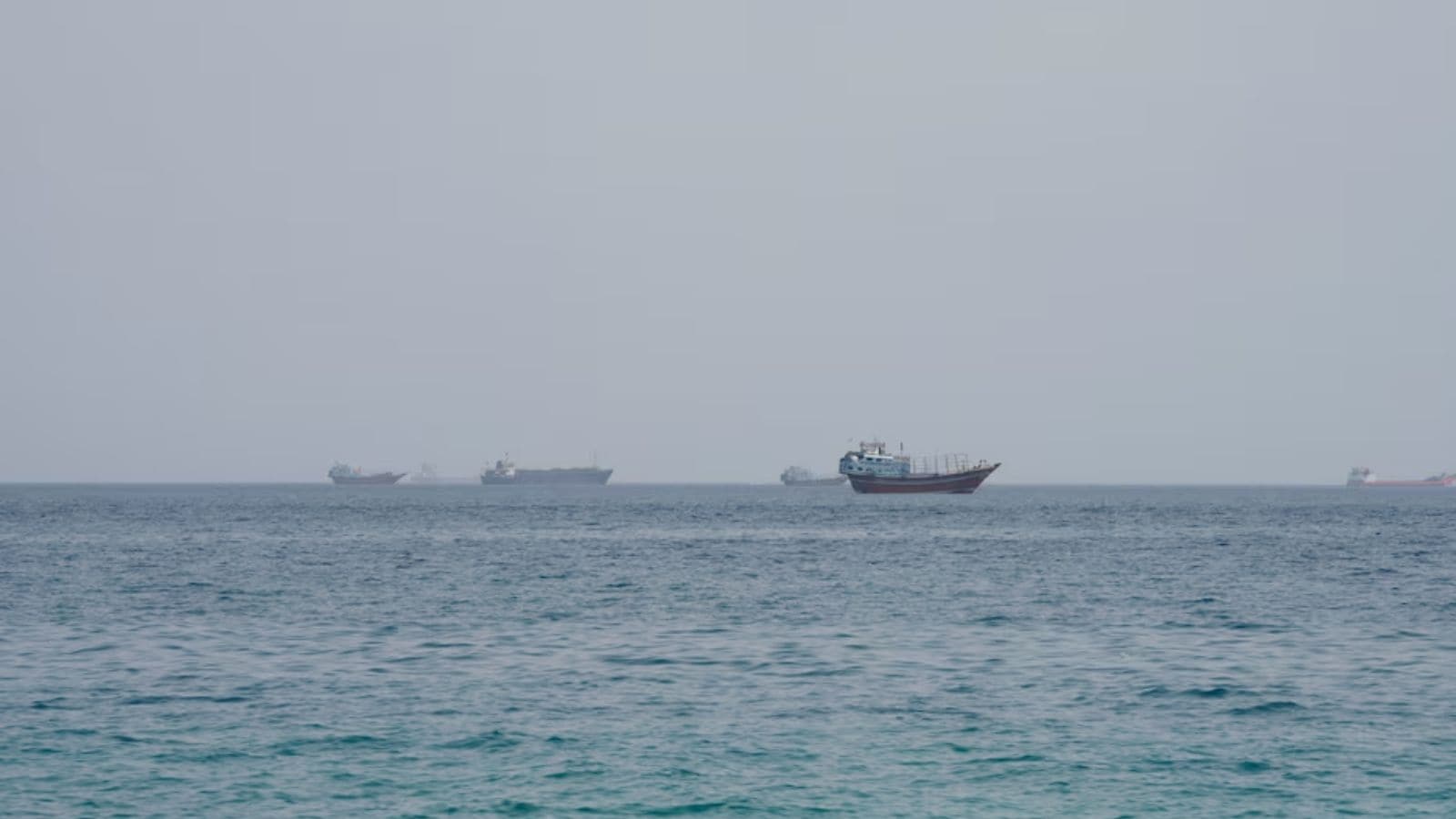
Maritime choke points have always served as economic pressure valves. The Strait of Hormuz handles roughly a fifth of the world’s petroleum consumption, making any disruption an immediate shock to global energy markets. When Washington maintained its naval patrols and economic restrictions despite the diplomatic track, it created an unsustainable bottleneck for Iranian commerce.
Consider a hypothetical example to illustrate the commercial friction. If an oil tanker flying an international flag cannot secure insurance or clear ports due to secondary sanctions, the vessel sits idle, costing millions of dollars daily while energy futures climb across global exchanges. Tehran views this economic strangulation as a direct violation of the spirit of the June agreement. Washington views continued maritime enforcement as standard containment while final compliance verifications remain pending.
Neither side can afford to blink without losing immense domestic credibility. The Iranian administration faces intense scrutiny from hardline factions who argued against engaging with Western mediators from the outset. Any sign of weakness or prolonged compliance without tangible economic return feeds directly into the narrative that diplomatic engagement is a trap. Conversely, the White House faces a deeply skeptical Congress and allied regional partners who view any relaxation of pressure as appeasement.
The Cost of Stalled Channels
Diplomacy in high-stakes environments rarely fails overnight. It erodes through missed deadlines, conflicting public statements, and the quiet movement of military assets into theater. Over the past month, communication channels managed by regional intermediaries have grown increasingly icy. Iranian foreign ministry statements have made it explicitly clear that maritime traffic through the Strait will remain restricted or contested until the White House fully executes the terms of the interim accord.
The threat of a timely and precise military action to break the naval cordon is not mere rhetoric. Regional command structures have spent months hardening underground facilities and positioning asymmetric naval assets along the Persian Gulf coast. Fast attack craft, coastal cruise missile batteries, and drone swarms represent a doctrine designed to maximize disruption against heavily armored naval formations. Even a limited engagement in these waters would send insurance premiums sky-high and freeze commercial shipping lanes for weeks.
Financial markets have been remarkably slow to price in the full magnitude of this risk. Energy traders often treat diplomatic friction as background noise until actual physical disruption occurs. That complacency is dangerous. When a state actor facing severe economic isolation sets a strict multi-week deadline for compliance, ignoring that timeline invites catastrophic miscalculation.
Navigating the Precipice
The fundamental flaw in the current diplomatic architecture is the absence of a synchronized sequencing mechanism. Washington wants total security guarantees up front. Tehran wants immediate economic resuscitation up front. Because neither party trusts the other to execute the second half of the bargain after receiving their own primary demands, the process remains frozen in perpetual suspicion.
As the countdown ticks down toward zero, the margin for error shrinks to zero. Intelligence briefings across Western capitals indicate that regional proxy networks and regular armed forces are at a heightened state of readiness. The distinction between a localized show of force and a broader regional escalation is razor-thin when warships operate in tight maritime spaces under strict rules of engagement.
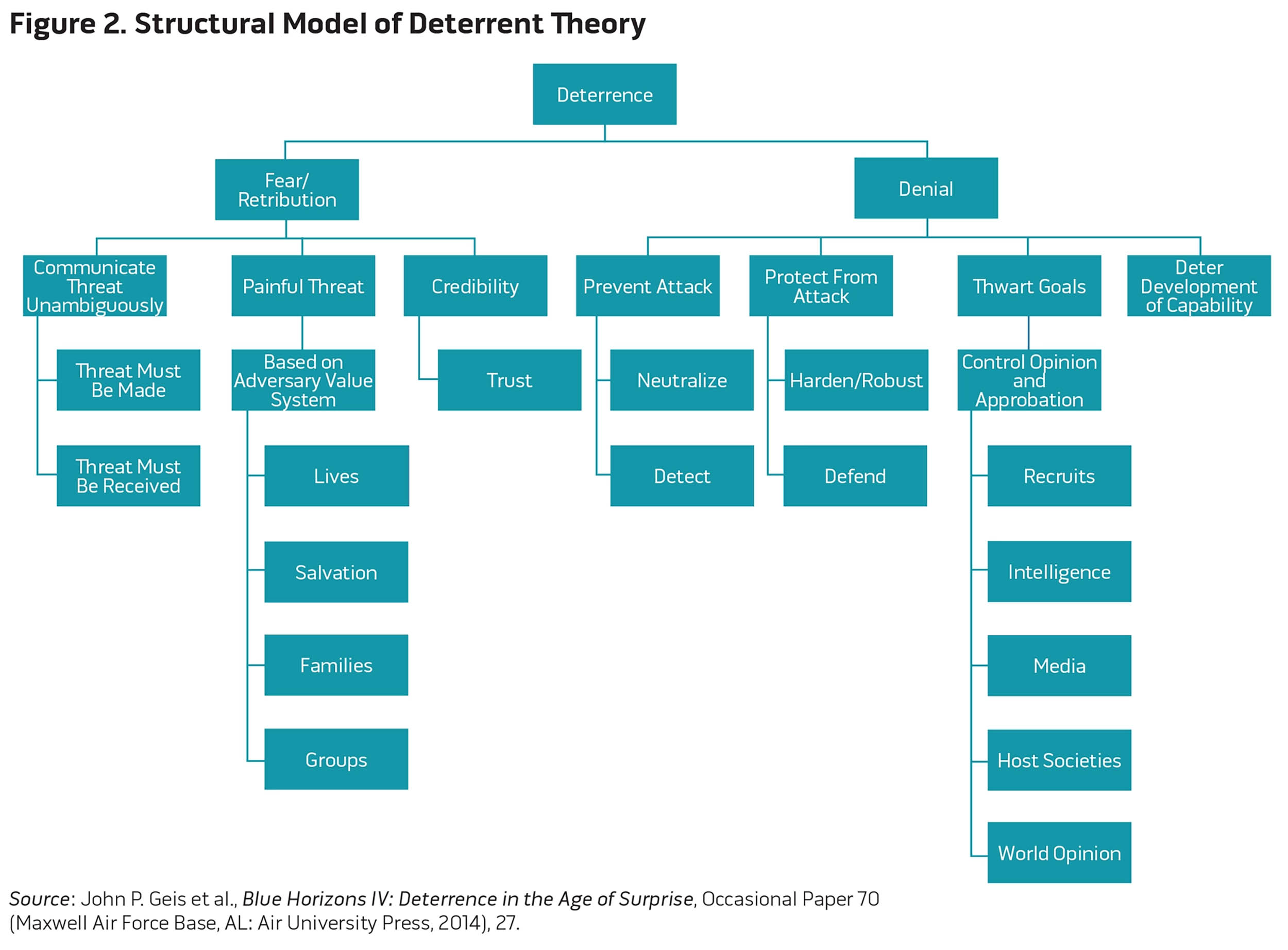
The next few weeks will determine whether pragmatic channels can bypass the current deadlock or if the region plunges back into open conflict. There are no clean exits or painless compromises left on the table. Both administrations are trapped by their own public rhetoric and the unforgiving logic of deterrence.
The diplomatic window is closing rapidly, and the ships waiting in the Persian Gulf sit squarely in the crosshairs of an impending collision between political pride and military necessity