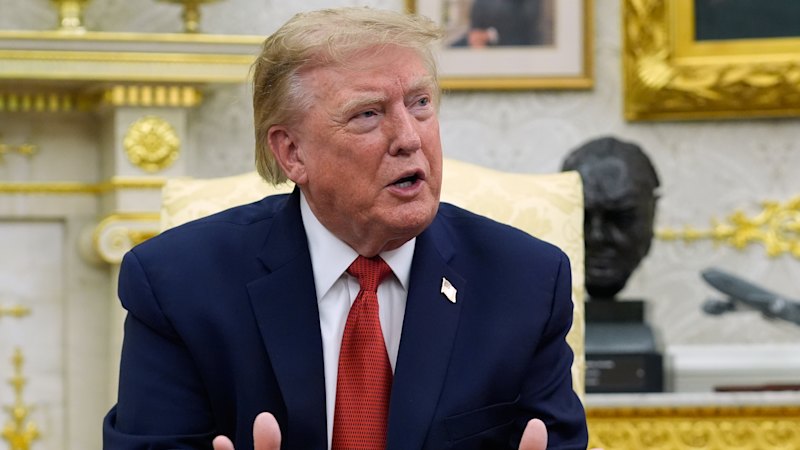
As the sixty-day diplomatic window between Washington and Tehran officially slams shut with zero comprehensive agreements signed, the geopolitical map of the Persian Gulf has fractured into dangerous new fault lines. President Donald Trump issued a blistering public warning directed straight at Muscat, stating unequivocally that the United States would bomb Oman if the neutral Gulf nation interferes with the American naval blockade. This escalation arrives precisely as a fragile memorandum of understanding expires, leaving the vital energy chokepoint of the Strait of Hormuz paralyzed. Oman has spent weeks attempting to broker a separate maritime transit agreement between Tehran and regional states to get commercial tankers moving again. Washington views these bilateral diplomatic efforts as a direct challenge to its maximum-pressure blockade designed to starve the Iranian regime into submission.
The underlying mechanics of this confrontation go far beyond routine diplomatic friction. The Strait of Hormuz handles roughly a fifth of global seaborne oil supplies, making it the most critical maritime bottleneck on earth. When the current conflict erupted in February, Iran effectively choked off the passage, trapping energy supplies and sending shockwaves through global markets. In response, the United States enforced a stringent counter-blockade targeting Iranian ports. Neither side has managed to secure a decisive strategic victory after nearly six months of intermittent conflict. The White House insists that economic strangulation is working, pointing to severe internal strains within the Iranian economy. Yet Tehran refuses to surrender, using its geographic proximity to the northern shores of the strait to maintain an iron grip on maritime security. If you liked this post, you might want to read: this related article.
Oman finds itself trapped in an impossible geopolitical vise. For decades, Muscat has operated as the premier diplomatic backchannel of the Middle East, maintaining cordial ties with Western powers while keeping open lines of communication with Tehran. This traditional neutrality has served regional stability well during past crises. However, the current administration has little patience for traditional diplomatic hedging. Omani diplomats recently announced that an understanding had been reached with Iranian counterparts regarding a mapped transit route through the strait to allow safe passage for commercial cargo. To Washington, this looks like an attempt to bypass American naval authority and undermine the efficacy of the blockade. Trump's explosive rhetoric is designed to shatter that arrangement before it can be codified into operational reality.
The expiration of the 60-day accord signed at the Palace of Versailles highlights the profound limits of shortcut diplomacy in complex modern warfare. Trump proclaimed that he is in no particular hurry to conclude a final pact, dismissing fears that military stockpiles are dwindling or that domestic political calendars require a swift resolution. Behind the public posturing, backchannel communications have reportedly opened between Washington and elements of Iran's Islamic Revolutionary Guard Corps. These secret talks indicate that conventional diplomatic channels have largely failed, forcing both adversaries to test alternative communication wires. Even so, the core demands remain completely irreconcilable. Washington demands the total abandonment of any path toward an Iranian nuclear weapon, framing it as an absolute, non-negotiable red line. Tehran counters by asserting sovereign command over its regional waters and threatening further military escalation if the blockade remains intact. For another perspective on this development, see the recent update from TIME.
Muscat now faces an acute dilemma that threatens its long-standing foreign policy doctrine. To abandon its mediation efforts would mean bowing to explicit military intimidation from a historic security partner. To press ahead with the shipping agreement with Iran risks inviting kinetic retaliation from an American military presence that has explicitly drawn a line in the sand. The diplomatic architecture that once managed crises in the Gulf has eroded entirely, replaced by raw coercion and high-stakes brinkmanship. As commercial tankers sit idle and the maritime corridor remains effectively sealed, the margin for error has vanished completely. Every maneuver by regional actors is now scrutinized through the lens of potential military escalation, leaving the entire energy corridor hanging by a thread
Why has US President Donald Trump threatened to bomb Oman?
This video provides an in-depth analysis of the geopolitical tensions and diplomatic maneuvers behind the recent threats directed at Oman amid the ongoing Strait of Hormuz standoff.


