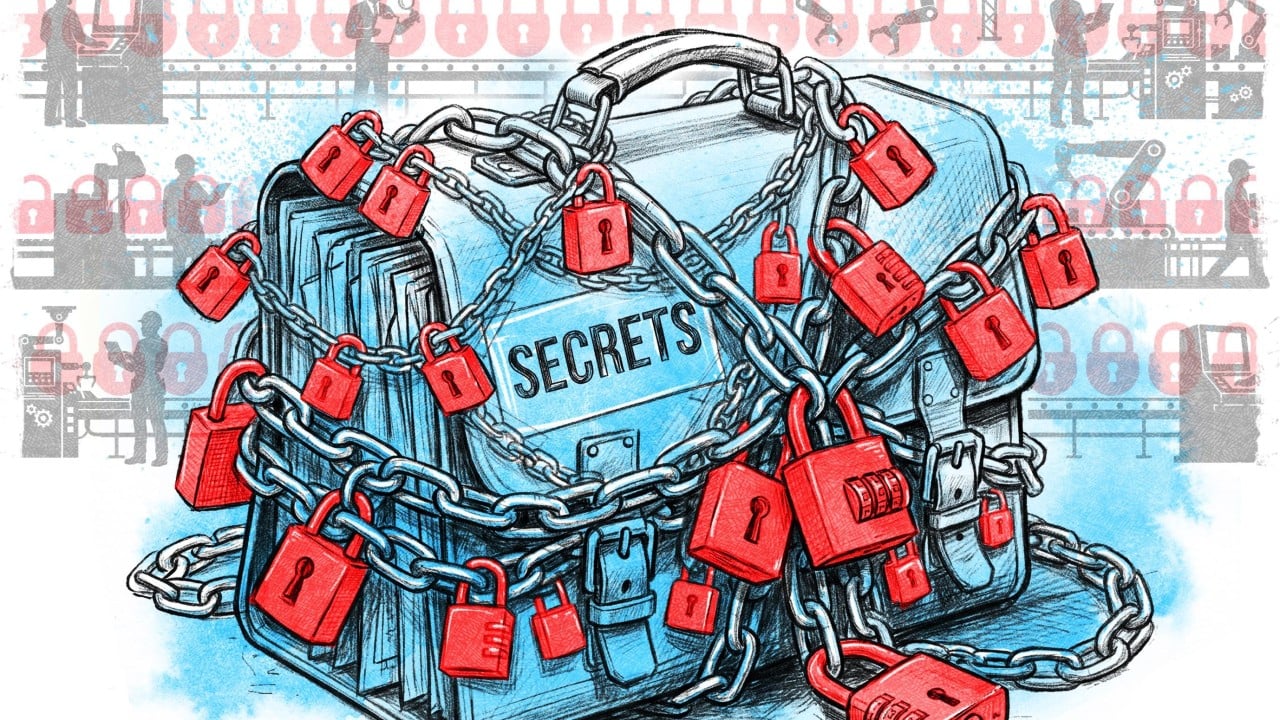
When summer temperatures in parts of France push toward 50C, commercial refrigeration stops being a quiet background utility and turns into a thermal pressure cooker. Cyberattacks targeting supermarket fridges during extreme heat exploit a brutal physical reality: compressors already running near their duty cycle have almost no margin for error when an attacker alters setpoint schedules, disables alarms, or cycles cooling units off. Spoiled frozen food is the visible headline, yet the deeper vulnerability lies in treating building management systems and industrial IoT controllers as low-stakes conveniences rather than critical thermal infrastructure.
For decades, cold-chain operators worried about mechanical wear, refrigerant leaks, and utility blackouts. Now they face an adversary that does not need a crowbar or a forklift to ruin millions of euros in inventory. A single misconfigured controller on a store network can warm a display case or walk-in freezer just enough to cross food-safety thresholds before a shift manager notices a dashboard anomaly. Read more on a related issue: this related article.
Why Extreme Heat Turns Cooling Software Into a Weapon
Heatwaves strip away slack across the entire cold chain. In moderate weather, a freezer compartment that loses cooling for an hour might warm by only two or three degrees, giving staff plenty of time to intervene or re-freeze marginal stock depending on local food safety rules. At 50C ambient temperatures, heat ingress through door seals, loading docks, and store HVAC systems accelerates dramatically, while condenser coils reject heat far less efficiently.
Attackers know this math. Automated scanning tools routinely probe the internet and exposed corporate subnets for BACnet, Modbus, and proprietary HVAC or refrigeration gateways that were wired up years ago with default credentials or unpatched firmware. Once inside, an intruder rarely needs custom malware on par with nation-state espionage kits. Changing a target temperature from minus 20C to plus 4C, muting local audible alerts, or pushing continuous defrost cycles can do the job quietly overnight. Additional reporting by Gizmodo explores related perspectives on the subject.
Consider a hypothetical example to see how fast the damage compounds. Suppose a regional grocery chain operates forty mid-sized stores across southern France during a record heatwave, and an attacker gains access to a central building automation portal shared across half those locations. By raising freezer setpoints and suppressing high-temperature notifications for six hours during peak afternoon heat, the intruder forces store managers to discard pallets of ice cream, pastry dough, and frozen seafood rather than risk regulatory violations or customer illness. No customer data is stolen, and no checkout lanes go down, yet the financial hit lands immediately on gross margin and insurance claims.
The Hidden Architecture Behind Commercial Cold Storage
Most shoppers assume a supermarket freezer is a self-contained appliance plugged into the wall. Reality looks very different. Large retail stores rely on distributed refrigeration racks, evaporator fans, electronic expansion valves, and telemetry controllers linked over local fieldbuses and wide-area networks so regional technicians can monitor temperatures remotely.
Remote access exists for a practical reason. Dispatching a refrigeration engineer across a heat-scorched department at midnight is expensive and slow, so centralized monitoring became standard practice across European retail. Convenience won out over network segmentation, leaving critical thermal controls sitting on flat networks alongside point-of-sale terminals, guest Wi-Fi, or vendor maintenance tunnels.
Third-party maintenance access creates another wide-open door. External contractors often need remote entry to calibrate sensors or clear fault codes after a power dip. When dozens of regional service firms use shared VPNs, unrotated passwords, or legacy jump boxes, the attack surface expands far beyond the supermarket chain's own IT team.
| Layer of Refrigeration Stack | Typical Function | Primary Threat Vector | Operational Consequence Under 50C Heat |
|---|---|---|---|
| Cloud & Central Portal | Fleet-wide temperature monitoring and alerts | Weak MFA, exposed admin panels, credential stuffing | Delayed or muted alarms across multiple stores simultaneously |
| Store Gateway & Fieldbus | Translates network commands to rack and case controllers | Unencrypted protocols, unpatched firmware, flat VLANs | Altered setpoints, disabled compressors, stuck defrost cycles |
| Physical Condenser & Cabinet | Rejects heat to ambient air and holds frozen stock | Extreme outdoor heat, dirty coils, door infiltration | Rapid thermal rise with minimal recovery buffer |
Who Pays When Frozen Stock Goes Bad
Spoilage is only the first invoice. Once frozen inventory crosses safe temperature limits, food safety rules leave little room for improvisation, especially for meat, seafood, dairy-based desserts, and ready meals. Throwing away tons of food creates immediate waste disposal costs, supply-chain shortages on high-demand summer items, and sharp friction with suppliers trying to restock during peak seasonal demand.
Cyber insurance and commercial property policies often collide over incidents like these. A policy covering digital extortion or data breaches may scrutinize whether physical food spoilage counts as property damage caused by a cyber event, while a standard spoilage rider may exclude losses tied to intentional tampering or negligent security hygiene. Insurers increasingly ask hard questions about multi-factor authentication, network isolation, and incident logging before paying out large claims.
Reputational damage cuts deeper than a single quarter's write-off. Shoppers notice empty freezer aisles during a heatwave, and local press coverage of hacked supermarket fridges erodes trust in a retailer's competence. Even when no one gets sick, customers start wondering what else on a store's network lacks basic guardrails.
Why Patching Fringes Is Harder Than Patching Laptops
Updating a fleet of office laptops is routine compared to updating thousands of refrigeration controllers across hundreds of stores. Many operational technology controllers run on constrained hardware designed to last ten to fifteen years in harsh conditions, not to handle frequent over-the-air security patches. Rebooting a controller during a 50C afternoon can interrupt cooling at the exact moment equipment needs steady operation most.
Manufacturers also vary widely in how they support older hardware. Some vendors release firmware updates promptly; others leave legacy gateways unsupported or charge extra for security maintenance contracts that budget-conscious operators skip. Meanwhile, store staff are trained to spot broken glass or warm display doors, not subtle configuration drift inside a controller log.
Practical Defenses That Actually Hold Up in Heatwaves
Fixing OT cybersecurity in retail refrigeration does not require magic. It requires disciplined basics applied consistently across every store and contractor relationship.
- Isolate cooling controls: Place refrigeration controllers and gateways on dedicated, firewalled VLANs separated from office networks, guest Wi-Fi, and payment systems, with strict allow-lists for outbound telemetry.
- Lock down vendor access: Require multi-factor authentication, time-bound access sessions, and recorded audit trails for every third-party technician connecting remotely.
- Watch physical realities alongside logs: Pair digital temperature alerts with independent wired or cellular out-of-band sensors inside critical freezers so an attacker cannot silence alarms simply by tampering with the main controller.
- Harden default configurations: Change factory passwords, disable unused remote management ports, and block direct exposure of industrial control protocols to the public internet.
- Rehearse manual fallback steps: Give store managers clear, realistic playbooks for extreme heat events, including how to verify temperatures manually, prioritize high-risk stock, and coordinate emergency mobile cooling or disposal.
Gray Areas Where No Silver Bullet Exists
Even well-run retailers face trade-offs that do not disappear with a checklist. Older stores built during prior ownership changes often inherit patchwork wiring diagrams and undocumented controllers whose original installers are long gone. Ripping and replacing every legacy unit at once can cost more than a store earns over several summers.
There is also a tension between remote diagnostics and attack surface reduction. Cutting off external access completely might stop remote exploits, yet it can slow down legitimate emergency troubleshooting when a compressor trips on high head pressure during a heatwave. Smart operators solve that tension through tight access controls and continuous monitoring rather than blind cutoffs.
What Extreme Weather Means for Critical Infrastructure
Extreme heat exposes weak links across every system we take for granted, from rail tracks and power grids to the freezers holding dinner. Treating a supermarket fridge as a dumb metal box ignores how thoroughly software now governs physical survival and food supply.
As heatwaves grow longer and more severe across Europe, cyber resilience and thermal resilience belong in the exact same conversation. Audit your refrigeration network segments, verify independent freezer alarms, and test your hot-weather contingency plan before the next 50C forecast arrives.