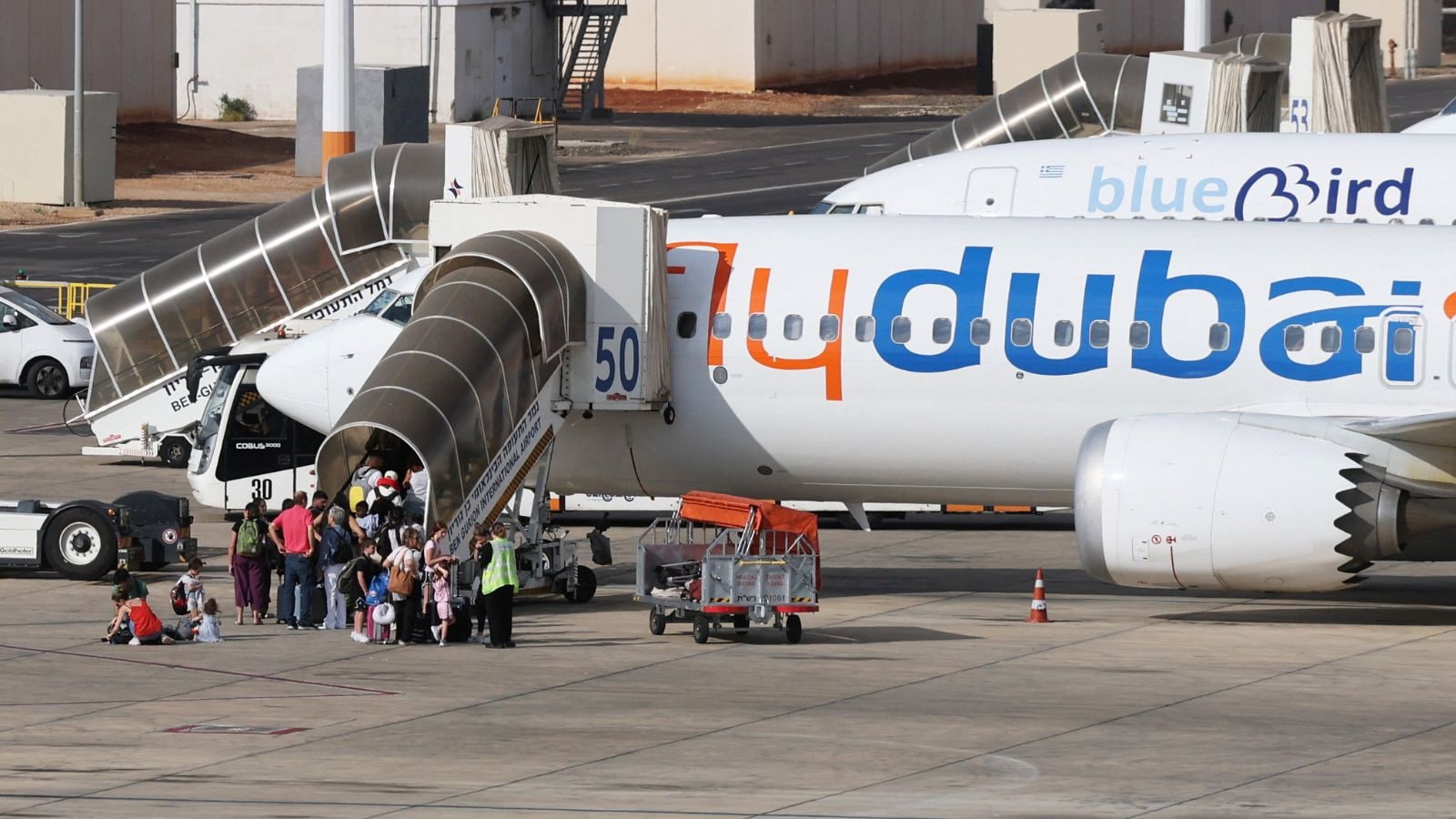
Commercial aviation relies on a terrifying amount of unwritten trust, because two people lock themselves inside a small metal tube miles above the earth and assume they share the same goal of landing safely. On September 30, 2026, that fragile trust shattered. Flydubai Flight 1073, travelling from Dubai International Airport to Ben Gurion Airport near Tel Aviv, became the site of a targeted cockpit assault when first officer Hamam Al Hammami allegedly turned on Captain Smit Machchhar. What followed was a desperate struggle for survival at 34,000 feet that exposed massive vulnerabilities in modern airline security protocols.
The flight was routine until Al Hammami asked to perform a prayer, a standard request in regional cockpit environments. Captain Machchhar looked away, respecting the moment, only to be struck from behind with the aircraft's emergency crash axe. Al Hammami unleashed multiple brutal blows, aiming to incapacitate the captain completely. As blood obscured Machchhar's vision and structural integrity warnings began to sound, the Boeing 737 MAX 8 pitched violently downward, plunging roughly 17,000 feet in less than a minute.
Investigators quickly identified the co-pilot as Hamam Al Hammami, an Omani national whose background has raised serious global red flags. Reports surfaced indicating that Al Hammami had previously worked with Oman Air, where he was pulled from active flying duties after being flagged over potential extremist views and security concerns. Despite those prior warnings, he managed to slip through cracks in regional vetting processes, joining Flydubai roughly eight months before the attack. Investigators reviewing his digital footprint found disturbing imagery connected to radical figures, suggesting a calculated ideological motive rather than a sudden psychological break.
The disaster was averted only because of extraordinary physical bravery inside the cabin. Despite suffering severe head injuries and bleeding heavily, Captain Machchhar fought back and managed to crack open the fortified cockpit door, allowing passengers and deadheading crew members to flood in. Passengers, including a dentist and off-duty pilots, physically restrained Al Hammami using headphone wires and cable ties while the aircraft careened out of control. Deadheading Flydubai pilots ultimately took over the flight controls and executed an emergency landing at Prince Sultan bin Abdulaziz Airport in Tabuk, Saudi Arabia, saving the lives of the 182 people on board.
The incident has triggered fierce global debates about airline hiring standards, cross-border background checks, and whether cockpit doors are too secure for their own good. When a pilot goes rogue, the reinforced barriers meant to keep hijackers out suddenly trap victims inside a flying cell. Aviation authorities across the Middle East, India, and international bodies are now forced to reevaluate how flagged personnel manage to transition between commercial carriers unchecked. The terrifying episode on Flight 1073 proves that the greatest threat to modern air travel isn't always an external enemy, but sometimes the person sitting right next to you in the flight deck.