Higher education institutions face an unrelenting wave of targeted cyber intrusions, leaving internal administrative structures exposed. When threat groups breach campus networks, the subsequent public relations statements from administration buildings usually offer predictable comfort. They promise that audits are underway, third-party specialists have been retained, and student records remain safe.
Reality paints a far more grueling picture. Read more on a connected subject: this related article.
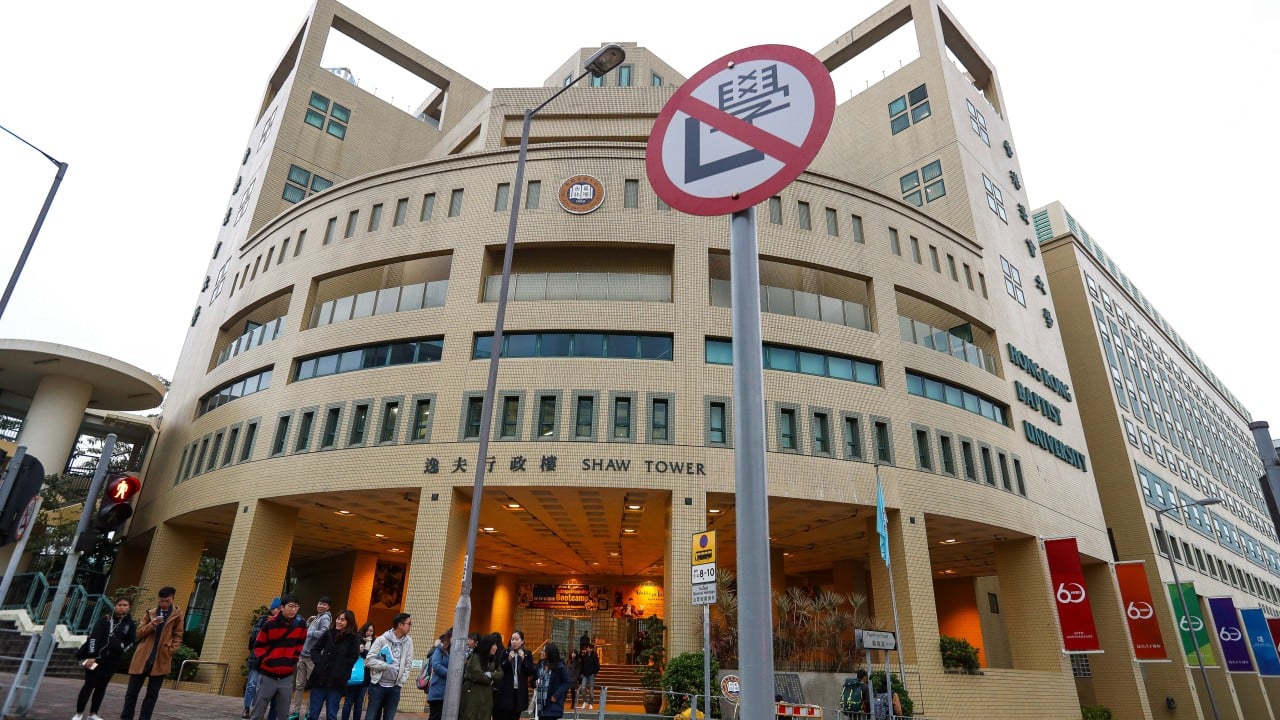
Consider the recent operational emergency at Hong Kong Baptist University, where a notorious extortion collective publicly claimed responsibility for compromising institutional infrastructure. Monitoring telemetry indicated that thousands of credentials had potentially drifted into unauthorized hands. This incident is far from an isolated anomaly. Across the global education sector, universities operate as decentralized digital cities. They maintain thousands of endpoints, open guest networks, legacy databases, and disparate departmental servers that make pristine perimeter defense nearly impossible.
The Architectural Flaw of Higher Education IT
Most enterprise corporations maintain centralized control over every connected device. Higher education functions under an entirely different philosophy. Openness, academic freedom, and rapid collaboration define campus digital environments. Researchers share massive datasets with international peers. Students log on from unmanaged personal laptops, dorm-room routers, and mobile devices. More analysis by Ars Technica explores similar views on the subject.
This environment breeds catastrophic vulnerability.
An administrative office might maintain state-of-the-art endpoint protection, while a remote research lab two buildings away operates an unpatched server running twenty-year-old operating systems. Threat actors understand this asymmetry. They treat a university network not as a fortress, but as a porous sponge.
Once an attacker gains initial access through a routine credential-harvesting phishing email sent to an unsuspecting staff member, lateral movement becomes remarkably easy. Active Directory misconfigurations often grant administrative privileges to standard user accounts. Network segmentation remains weak because rigid barriers would disrupt daily academic workflows.
Beyond the Perimeter Myth
Security teams frequently spend millions of dollars buying modern perimeter tools while ignoring internal hygiene. A ransomware group does not need to break down the front door if the internal hallway doors are unlocked.
Extortion syndicates have evolved their tactics far beyond simple file encryption. Years ago, locking a database meant an organization faced downtime until backups were restored. Modern actors know that modern universities back up their data religiously. Therefore, encryption is now merely the opening act. The true leverage comes from massive data exfiltration.
Student health records, proprietary research papers, intellectual property, financial aid forms, and human resources files are quietly siphoned out of the network over weeks or months. When the organization refuses to pay an extortion demand, the stolen material appears on dark-web leak sites. In extreme instances, attackers even weaponize internal communication vectors, hijacking mass-notification text systems to broadcast ransom demands directly to the student body.
The Cost of Reactive Posture
Universities typically react to these crises through a standard playbook. They take affected systems offline, hire incident response contractors, and issue carefully worded notifications months after the initial intrusion.
This posture treats the symptom while ignoring the systemic rot.
Regulatory penalties, class-action lawsuits, and reputational damage far outweigh the short-term savings of underfunded security operations centers. Until governing boards treat digital infrastructure with the same gravity as physical campus safety, academic institutions will remain primary targets for cyber criminal enterprises seeking soft targets and maximum leverage.