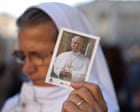
Pope Leo XIV has been diagnosed with lung cancer following a routine surgical procedure at Rome's Gemelli Hospital, sending immediate shockwaves through the Holy See and the global Catholic community. The unexpected revelation emerged after physicians performed a planned intervention for an unrelated condition, during which suspicious tissue was identified and subsequently biopsied. The diagnosis marks a profound turning point for the current pontificate, thrusting the Vatican apparatus into an unaccustomed cycle of intense public scrutiny, medical uncertainty, and quiet institutional preparation.
For decades, the inner workings of papal health remained heavily guarded secrets, often shielded by layers of discretion and diplomatic ambiguity. Modern communications, however, leave little room for total secrecy. The Vatican press office released a statement confirming the findings, noting that the pontiff is resting comfortably while a multidisciplinary oncology team determines the appropriate course of treatment. The transparency represents a modern shift in how the Holy See handles medical crises, acknowledging the immense global interest in the physical well-being of the Bishop of Rome.
The Anatomy of the Diagnosis
Lung cancer in elderly patients presents unique clinical challenges. Medical oncologists note that treatment protocols depend heavily on the specific staging, the overall physiological resilience of the patient, and the presence of any comorbidities. While official bulletins have remained sparse on exact staging details, standard oncological practice for a newly discovered mass during unrelated surgery involves comprehensive imaging and genetic profiling to target specific cell mutations.
The Gemelli Hospital has long served as the primary medical provider for the papacy, often referred to colloquially as the third Vatican. The facility houses specialized units capable of handling complex oncological care under maximum security and privacy. Yet, managing a pope's health involves far more than clinical expertise. It requires balancing rigorous medical regimens with a relentless schedule of audiences, diplomatic meetings, and spiritual governance.
Institutional Reverberations
The announcement instantly alters the internal dynamics of the Roman Curia. Papal longevity and health status dictate the rhythm of global church administration. When a pontiff faces a serious illness, administrative caution often takes hold. Long-term strategic decisions can stall as cardinals, diplomats, and department heads begin to contemplate the future.
History offers numerous examples of pontiffs managing severe health crises while leading the church. The later years of John Paul II documented a very public struggle with Parkinson's disease, changing how the world perceived papal frailty. Pope Leo XIV faces a different kind of trial, one characterized by internal oncological treatment rather than visible motor decline. The contrast between the private nature of cancer treatment and the hyper-public role of the papacy creates a delicate operational tension.
Navigating Uncertainty
Public reaction has ranged from international prayer vigils to intense financial and political speculation. Markets and diplomatic channels alike monitor every bulletin issued by Vatican City. Analysts point out that the Holy See's administrative structures are designed to maintain continuity regardless of the health of the individual sitting on the Chair of Saint Peter. Canon law provides clear frameworks for governance, yet the psychological weight of a cancer diagnosis at the summit of the global church cannot be understated.
Medical teams face the intricate task of balancing aggressive therapeutic intervention with the preservation of the pontiff's quality of life. Radiation therapy, targeted drug therapies, or conservative management strategies each carry distinct implications for daily stamina and public appearances.
The coming weeks will likely bring further medical updates as the oncology team finalizes the therapeutic roadmap. For now, the Vatican remains a place of quiet reflection and steady administrative watchfulness, waiting to see how the pontiff's body responds to the battle ahead.