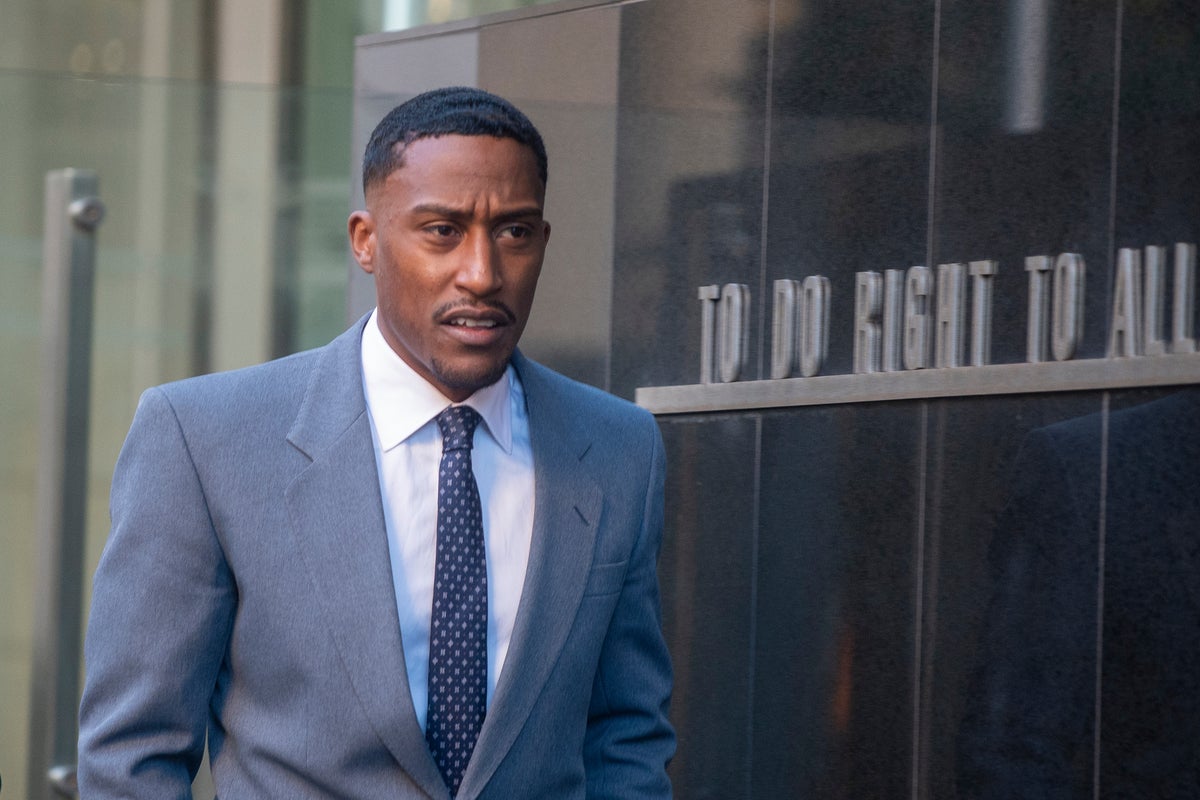
The closing remarks in the Australian trial of British YouTuber and musician Andres Felipe Valencia Barrientos—widely known as Yung Filly—mark a grim juncture in a high-profile legal battle that has gripped both the UK and international digital communities. Standing trial in the District Court of Western Australia, Barrientos faces ten total charges, including multiple counts of sexual penetration without consent, assault occasioning bodily harm, and impeding breathing, stemming from an encounter in a Perth hotel room in September 2024. As the jury prepares to deliberate, the case forces a hard look at the darker mechanics of digital celebrity, power imbalances, and the legal realities of consent when fame enters the room.
To understand the weight of this trial, one must look past the headline numbers and examine how internet stardom intersects with criminal accountability. Barrientos, a 30-year-old entertainer with millions of followers across platforms, met the complainant—then 20 years old—at a Perth nightclub following a performance. What happened next forms the crux of a deeply contested legal narrative. Prosecutors, led by Danielle Clarke, argue that an initial agreement to accompany the performer devolved into terror when the complainant allegedly tried to withdraw consent and feared for her safety. Conversely, the defense has maintained that the encounter was entirely consensual, characterized by good energy and mutual attraction.
The courtroom testimony exposed starkly contrasting views of ordinary behavior versus the insular world of modern celebrity. During cross-examination, discussions centered heavily on physical markers, including significant bruising and bite marks documented on the complainant’s face and neck. Barrientos testified that he bit the woman multiple times during intimate moments, defending the action with a colloquial phrase often used in the UK.
"In England we would call it a love bite," Barrientos told the court from the witness box, denying that he ignored the woman's requests to stop or that he applied unlawful pressure to her neck.
Prosecutors pressed hard on the glaring logistical power dynamics at play during the evening. Evidence and testimony confirmed that the complainant’s phone was taken from her by a security guard before she entered the hotel room. While the prosecution argued this measure served to isolate and trap the woman, Barrientos defended the action as standard protocol for a public figure guarding personal privacy. This detail alone exposes a broader, systemic tension within the creator economy: the routine implementation of rigid security measures that inadvertently or intentionally create environments where ordinary agency is compromised.
The Mechanics of Power in Modern Fandom
Fandom creates an immediate, inherent inequality. When a global internet personality interacts with an admirer, the baseline of social equality shifts. Adoration can easily blur the lines of autonomous decision-making.
In this case, the prosecution asserted that the complainant initially went along with the situation because she felt trapped by the circumstances of meeting her celebrity crush, only to find herself unable to safely escape as the situation escalated. The defense countered that the complainant was an active participant who made no indication of distress that would signal a withdrawal of consent.
This friction highlights a persistent struggle within sexual assault litigation involving public figures. Jurors are routinely tasked with untangling the grey areas of human interaction where perceived enthusiasm clashes with latent coercion. The legal standard demands proof beyond a reasonable doubt, yet the social environment surrounding digital influencers often insulates them from ordinary accountability until a formal legal mechanism forces transparency.
Navigating the Digital Aftermath
The trial also highlights how quickly digital ecosystems react to real-world criminal proceedings. Long before closing arguments began, the case triggered intense online speculation, content creation, and severe legal warnings regarding contempt of court. Courts in Western Australia had to implement extraordinary security measures, including opening secondary courtrooms to manage public and media interest, after digital content creators breached local publication laws.
When a prominent content creator faces severe criminal charges, online communities fracture. Loyal followers rush to defend character traits broadcasted through curated video segments, while critics point to the stark allegations as proof of unchecked ego within influencer culture. The truth, as established in a court of law, rarely aligns with either extreme online narrative. It relies strictly on evidence, forensic documentation, and witness testimony rather than subscriber counts or public goodwill.
The District Court jury now holds the responsibility of weighing the evidence, evaluating the credibility of both testimonies, and determining whether the threshold for criminal guilt has been met across all ten charges. Regardless of the final verdict, the proceedings have already laid bare the volatile intersection of digital celebrity, private spaces, and the unyielding legal definitions of bodily autonomy.