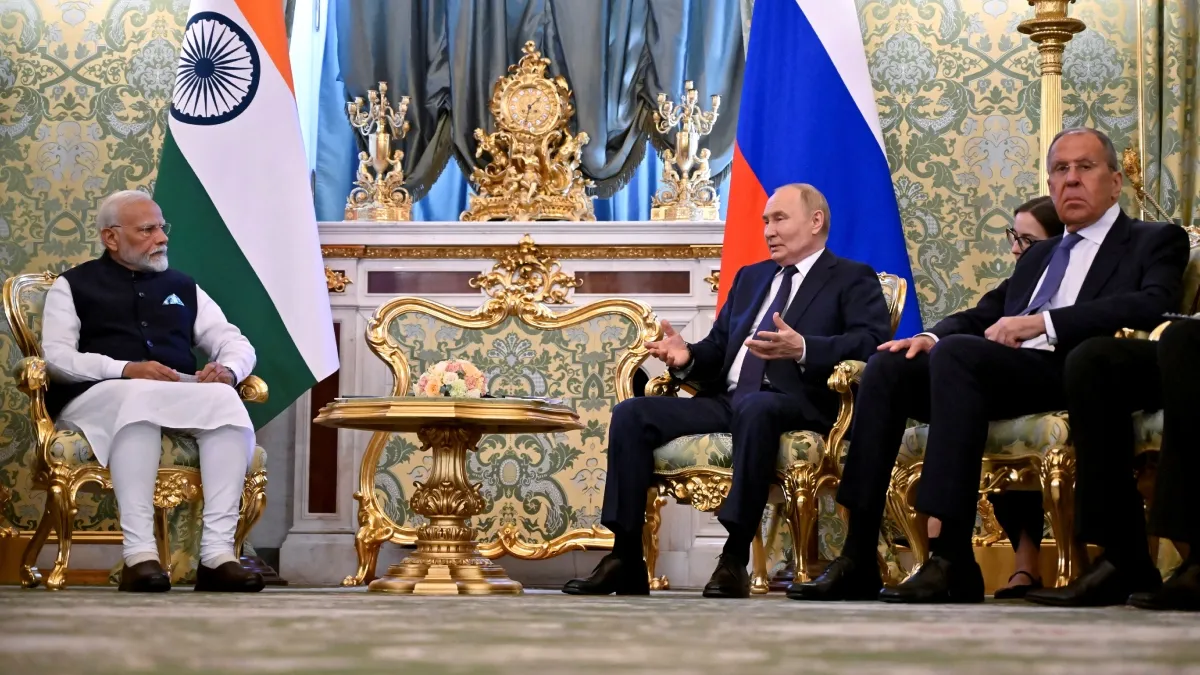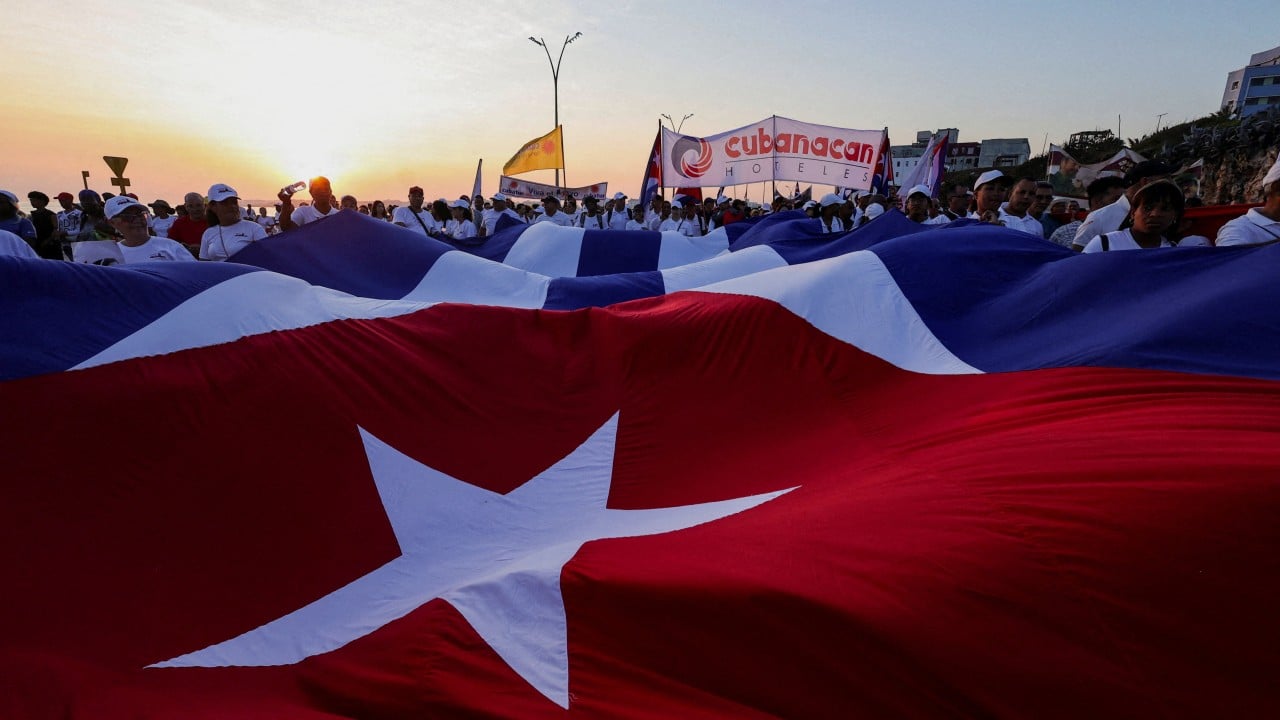
The intersection of a localized energy collapse and a high-level intelligence visit represents a pivot point in Caribbean geopolitics where humanitarian crisis meets hard-power signaling. When the CIA Director engages with a state traditionally viewed as a primary adversary during a total grid failure, the mission profile shifts from standard espionage to high-stakes stabilization. Cuba’s current predicament is not merely a shortage of fuel; it is a structural breakdown of the state’s ability to provide the basic caloric and electrical inputs required for social order.
The Triad of Systemic Failure
Cuba’s energy crisis is the result of three converging vectors that have rendered the island’s centralized grid mathematically unsustainable. Understanding this crisis requires moving beyond the "embargo versus mismanagement" debate and looking at the specific mechanical failures of the state apparatus.
- Thermal Plant Obsolescence: The backbone of the Cuban grid consists of Soviet-era thermoelectric plants (TEPs) that have exceeded their 30-year design life by over a decade. These facilities operate at a thermal efficiency significantly below the 35% global average for aging coal/oil plants. Frequent "unplanned maintenance" is a euphemism for catastrophic boiler failures and turbine degradation that cannot be rectified without capital-intensive overhauls that the Cuban Central Bank cannot fund.
- The Venezuelan Subsidy Decay: For two decades, Cuba’s energy security was predicated on the Caracas-Havana axis. Venezuela’s internal production decline has throttled exports from a peak of nearly 100,000 barrels per day (bpd) to approximately 20,000–30,000 bpd. This 70% reduction in subsidized crude forces Cuba into the spot market, where it lacks the hard currency to compete with solvent nations.
- Logistical Bottlenecks in the Matanzas Supertanker Base: The 2022 fire at the Matanzas storage facility permanently reduced the island’s buffer capacity. Without adequate storage, the grid operates on a "just-in-time" basis, meaning a single delayed tanker results in immediate regional blackouts.
Intelligence Diplomacy as a De-escalation Vector
The visit of a CIA Director to Havana in the midst of an energy collapse suggests that the United States identifies a "failed state" scenario in Cuba as a greater threat to national security than the ideological survival of the Communist Party. The intelligence channel is frequently utilized when State Department protocols are too rigid or politically sensitive to navigate.
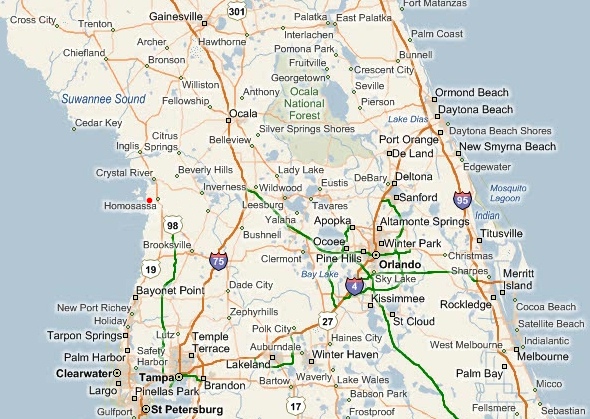
The primary objective of such a visit likely focuses on Mass Migration Mitigation. Historically, Cuban energy crises correlate directly with maritime surges toward the Florida Straits. By engaging directly with Cuban leadership, the U.S. intelligence community attempts to gauge the internal stability of the Cuban Ministry of the Interior (MININT) and the Revolutionary Armed Forces (FAR). If the energy grid hits a permanent "black start" failure—where the power required to restart the plants is unavailable because the grid is dead—the resulting social unrest could trigger a migratory event exceeding the 1980 Mariel boatlift.
A secondary objective involves Mapping Foreign Influence. As Cuba’s traditional partners (Russia and Venezuela) struggle with their own constraints, the vacuum is being filled by actors that the U.S. views with suspicion. Russia’s recent shipments of oil are tactical, not strategic; they are meant to maintain a foothold rather than solve the island's underlying structural deficit. The CIA’s presence serves as a reminder to the Cuban elite that while Moscow provides fuel, Washington controls the levers of regional stability and potential long-term economic reintegration.
The Cost Function of Social Stability
In a command economy, the state’s legitimacy is tied to its role as the sole provider of utility. When the lights go out, the social contract is voided. The Cuban government’s response to the current fuel shortage reveals a hierarchy of preservation:
- Priority 1: Internal Security: Fuel is redirected from the public grid to the FAR and MININT to ensure mobility for security forces.
- Priority 2: Tourism Infrastructure: Resorts in Varadero and the keys are equipped with independent generation sets, creating a "two-tier" energy reality that fuels domestic resentment but preserves the only remaining source of foreign exchange.
- Priority 3: The Public Grid: This is the sacrificial layer, where rolling blackouts of 12 to 18 hours are used to balance the load.
This hierarchy creates a feedback loop of economic contraction. As the public grid fails, small private enterprises (MSMEs)—which were supposed to be the engine of Cuba's "new" economy—cannot operate. This leads to a drop in tax revenue, which further diminishes the state’s ability to buy the fuel needed to keep the grid alive.
The Geopolitical Stakes of Grid Collapse
The risk of a total Cuban collapse presents a "contagion" model for the Caribbean. If the island’s 11 million people lose access to water pumps (which require electricity) and food refrigeration, the humanitarian pressure will force an intervention that neither Washington nor Havana truly wants.
The CIA Director’s presence indicates that the U.S. is moving from a policy of "maximum pressure" to one of "calibrated stability." This does not signal a lift of the embargo, but rather a pragmatic recognition that a chaotic collapse in Havana creates a vacuum that would likely be filled by non-state actors or hostile foreign intelligence services.
Strategic Trajectory
The Cuban energy crisis has entered an asymptotic phase: the amount of capital required to fix the system is increasing, while the state’s ability to generate that capital is decreasing toward zero. Foreign intervention, whether in the form of intelligence-led "stabilization talks" or emergency fuel shipments from neutral third parties, is the only mechanism left to prevent a total systemic reset.
The immediate tactical move for regional stakeholders is the establishment of a "Humanitarian Energy Corridor." This would involve allowing specific, monitored fuel shipments to bypass certain sanctions triggers in exchange for Cuban guarantees on migration control and transparency regarding foreign military presence. The visit by the CIA Director is the first step in verifying if the Cuban leadership is capable of, or willing to, accept these terms. Failure to reach a modus vivendi will result in a summer of unprecedented civil friction, potentially forcing the U.S. into a reactive military or humanitarian posture in the Caribbean that it is currently ill-prepared to manage.