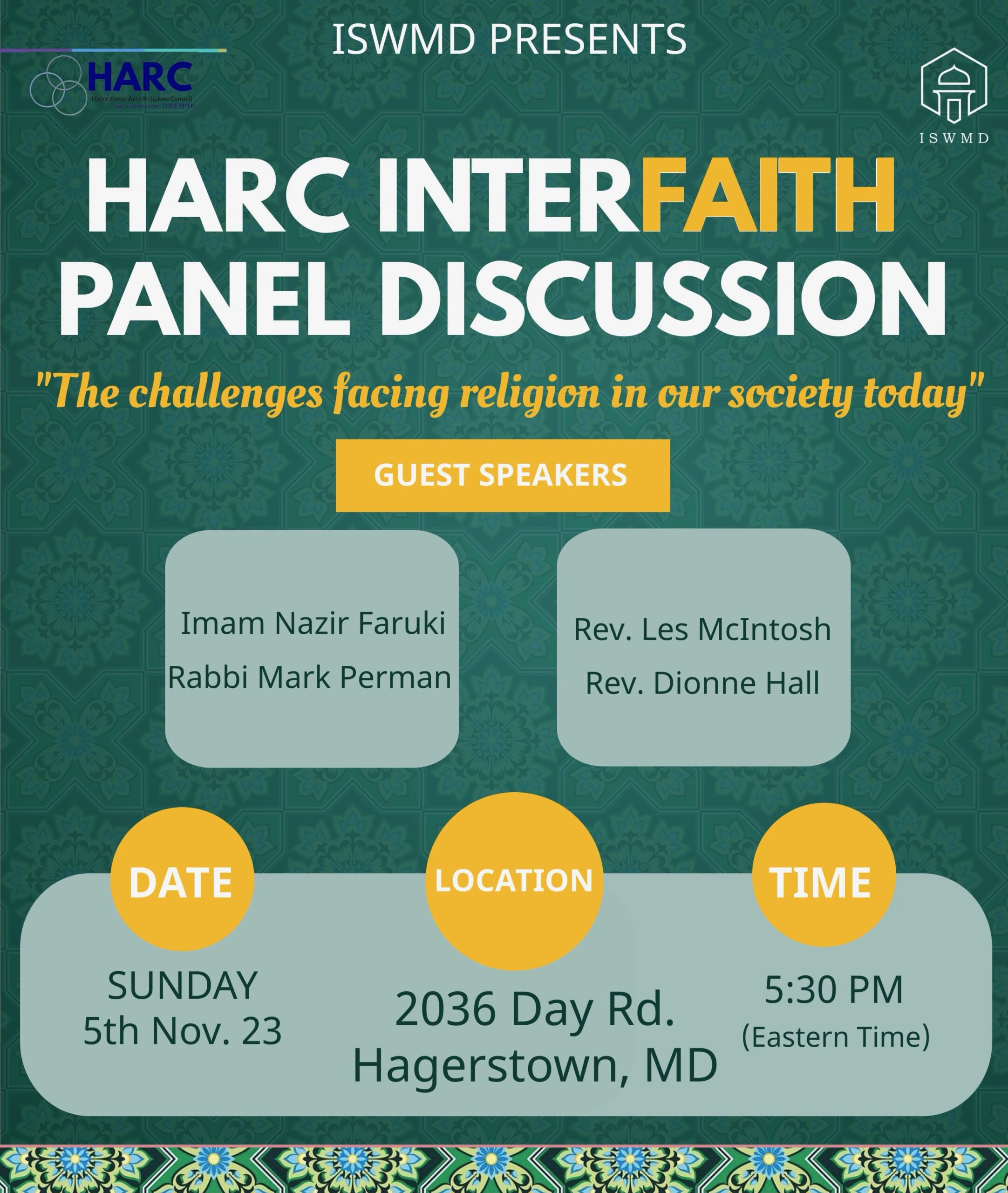
Every time another high-profile interfaith summit convenes in New York, the script is identical. Bharatiya Vidya Bhavan USA and the Chishty Foundation roll out the red carpet, dignitaries exchange polite platitudes about ancient wisdom, and press releases flood feeds with talk of unity, harmony, and bridging cultural divides. It feels good. It looks noble. And it completely misses the point of why religious friction actually exists.
The lazy consensus says that if we just get enough leaders in a room to talk about shared values, sectarian violence will melt away. That is a comforting fantasy designed for people who have never had to manage a contested border or a localized resource conflict.
The Dangerous Fallacy of Shared Values
Let us dismantle the core premise right away. The primary driver of religious or cultural conflict is almost never a lack of dialogue or an ignorance of shared values. Everyone already knows that most major traditions preach compassion, charity, and the Golden Rule. Repeating those truisms to an auditorium in Manhattan does not change the structural realities on the ground in regions where identity, power, and land are fiercely contested.
When institutions frame geopolitical or sectarian friction as a communication problem, they misdiagnose the disease. It is not a failure to understand each other. It is a fundamental competition for authority, resources, and narrative supremacy. Pretending that a panel discussion can bypass these political realities is like handing out poetry books at a ceasefire negotiation.
I have spent years watching institutional organizations burn millions of dollars on high-table handshakes while grassroots polarization deepens outside. The organizers pat themselves on the back for assembling a diverse lineup, but the people in the seats are already converted. You are not bridging divides; you are preaching to the choir in high-end venues with catered coffee.
The Real Power Dynamic Nobody Mentions
If you want to understand why these summits persist, look past the spiritual rhetoric and examine institutional survival. Organizations need visibility. Foundations need deliverables for their annual reports. Diplomatic cultural arms need proof of engagement.
Interfaith dialogue has become an industry of optics. It allows elites from different backgrounds to project a modern, cosmopolitan image while leaving the hard structural work untouched. Meanwhile, the actual extremists and fundamentalists who drive sectarian division pay zero attention to what is said in luxury hotels in Midtown Manhattan. They operate on grievances, economic disenfranchisement, and identity politics—forces that elite theological symposia are uniquely unequipped to dismantle.
Let us look at how the mechanics actually work. A successful interfaith event requires three things:
- High-status figures who speak fluent diplomatic language.
- An audience that values aesthetics over operational friction.
- A safe distance from actual conflict zones where compromises carry real costs.
Notice what is missing from that list? Accountability. There is no metric tracking whether a New York symposium stopped a single riot or altered a single extremist curriculum three thousand miles away.
What Actually Moves the Needle
If elite panels are useless, what works? Real friction reduction happens at the boring, unglamorous micro-level. It happens when local economic networks cross sectarian lines because people have no choice if they want to feed their families. It happens when civil society groups coordinate shared infrastructure—water, sanitation, healthcare—forcing rival communities to depend on one another.
Stop funding theatrical diplomacy. If you want peace, fund shared economic incentives. If you want tolerance, build institutions where cooperation yields tangible survival benefits rather than spiritual feel-good moments.
The next time an organization announces a grand global dialogue promising harmony through speeches, ask them for their baseline metrics. Watch how quickly the conversation shifts back to vague aspirations. Until we stop confusing elite networking with actual peacebuilding, these summits will remain what they have always been: expensive echo chambers for people who prefer talking about peace to doing the dirty work of building it.