It starts with a quiet rumble. A faint, uneasy shift in the stomach that most people brush off as bad takeout or a fleeting bout of stress. But within hours, the illusion of normalcy shatters.
Consider a hypothetical patient, a thirty-something teacher named Mark, who figures a weekend of rest will reset his system. Instead, he finds himself shackled to a bathroom floor, experiencing a relentless, watery purging that medical literature clinicalizes with stark brutality as explosive diarrhoea. His body rebels violently. Every sip of water feels like a mistake. Every hour stretches into an eternity of abdominal cramps, bloating, and a debilitating fatigue that drains the color right out of his face.
Mark is not alone. Right now, tens of thousands of Americans are fighting the exact same invisible war.
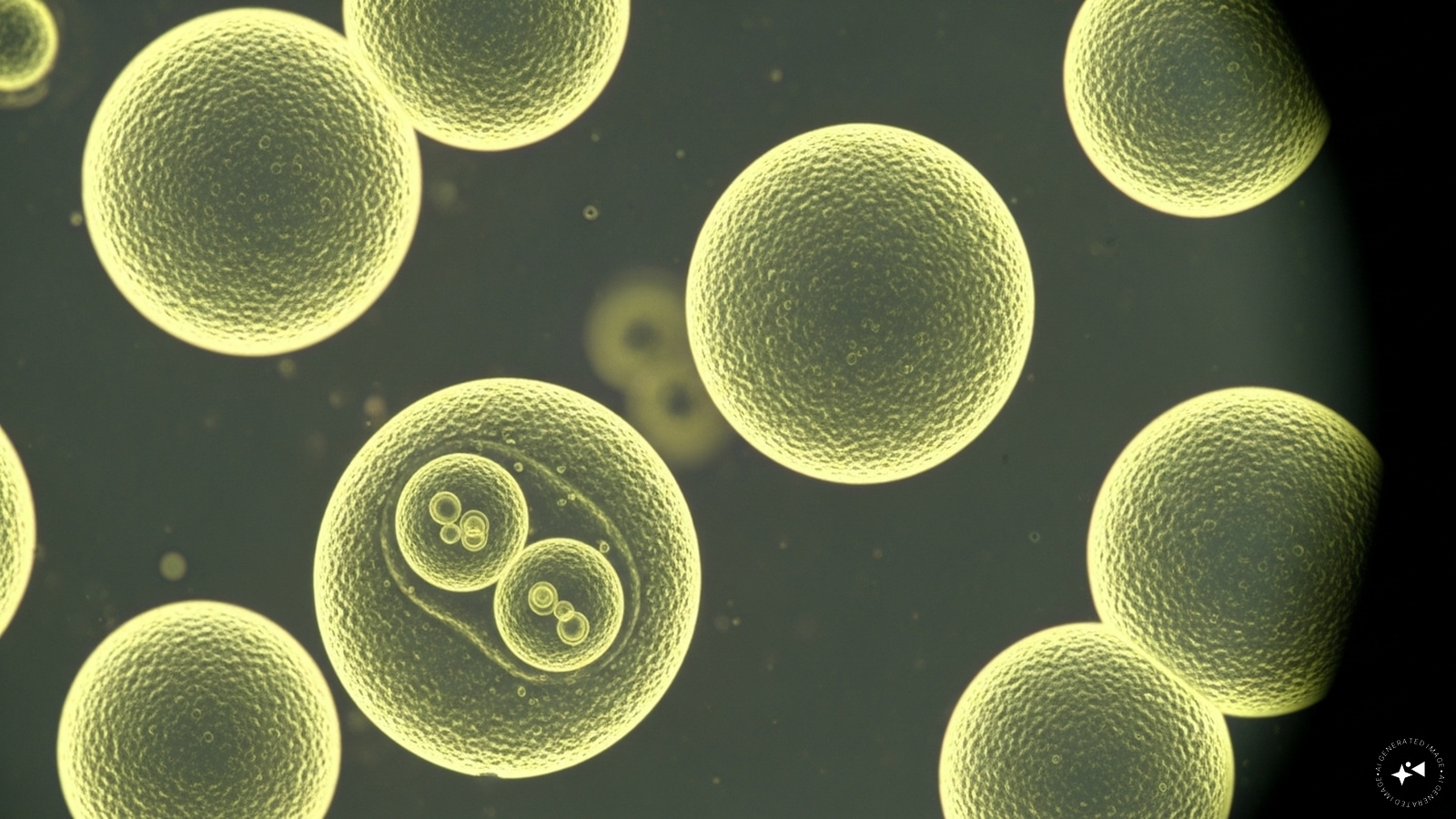
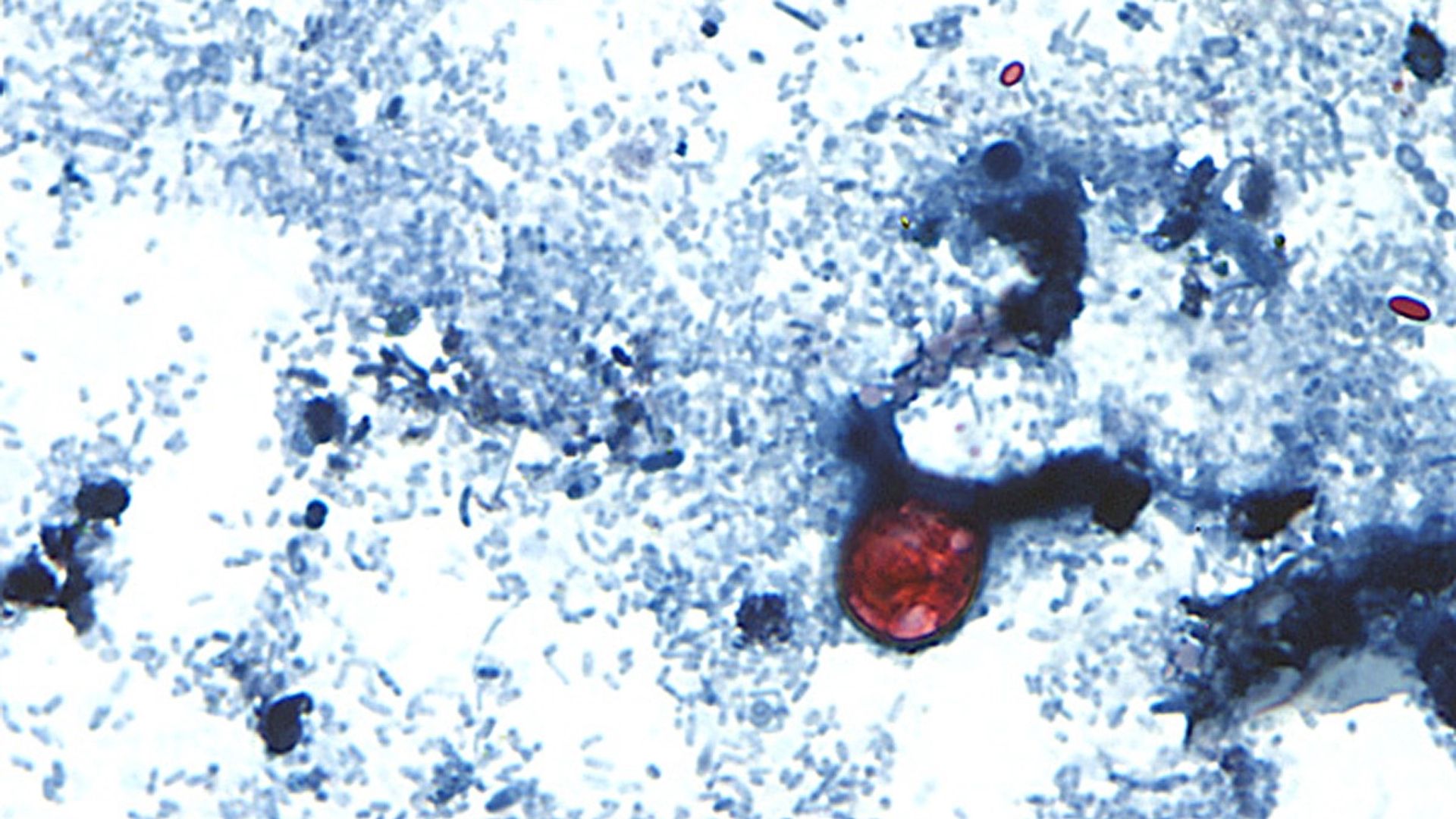
Public health officials recently confirmed a grim milestone in this ongoing crisis: two deaths. Recorded in Michigan, these fatalities mark the first official American casualties tied directly to a massive, multi-state surge of cyclosporiasis, a microscopic intestinal infection caused by the single-celled parasite Cyclospora cayetanensis. While federal agencies like the Centers for Disease Control and Prevention traditionally categorize the illness as rarely fatal, these recent deaths expose a terrifying truth. When severe dehydration collides with pre-existing health conditions, a routine summer bug transforms into a life-threatening emergency.
The numbers are staggering. In Michigan alone, confirmed cases skyrocketed past eleven thousand, with nearly two hundred people hospitalized. Nationwide, federal trackers indicate that tens of thousands of individuals have fallen ill across dozens of states.
The vector for this microscopic invasion is as mundane as it is tragic. Investigators tracking the outbreak point toward shredded iceberg lettuce imported from Mexico and served across popular commercial channels, including regional outlets like Taco Bell. Suppliers like Taylor Fresh Foods have scrambled to initiate recalls and pull vulnerable inventory, but the damage is already coursing through the food supply chain.
Think about how our global pantry operates. A seed planted in fertile foreign soil is nourished by irrigation water, harvested by hand, packaged into plastic bags, shipped across borders, and tossed onto a fast-food counter thousands of miles away. It is an engineering marvel of modern logistics. Yet, that very same efficiency means a single microscopic slip-up at the source can weaponize a fresh green salad. Cyclospora spreads through fecal contamination of water or produce. It is a heat-loving parasite that thrives in the warmth of summer, turning something as innocent as a crisp leaf of lettuce into a Trojan horse.
Diagnosing the culprit is notoriously tricky. Because its symptoms mimic a dozen other gastrointestinal disruptors—like salmonella, E. coli, or norovirus—standard stool cultures often miss it entirely. Patients suffer for weeks, cycling through useless remedies, while the parasite quietly sets up camp in the small intestine. For healthy individuals with robust immune systems, a heavy course of antibiotics like trimethoprim-sulfamethoxazole can clear the infection. But for the elderly, the immunocompromised, or those fighting chronic illnesses, the steep drop in body weight and rapid electrolyte collapse can push organs past their breaking point.
The broader lesson here extends far beyond a single food recall. It forces a reckoning with how disconnected we have become from the origins of what we put into our bodies. We sit down at a brightly lit booth, order a quick meal, and trust an invisible network of safety protocols to protect our most fragile biological boundaries. When that trust breaks, the betrayal feels intensely physical.
The outbreak will eventually recede as winter cools the supply lines and agricultural oversight tightens. New regulations will pass. Suppliers will change their washing procedures. But the memory of the summer of twenty-six will linger in every hesitant glance cast toward a restaurant salad bar.
A quiet refrigerator. A half-eaten meal pushed to the side. And the lingering realization that sometimes, the greatest threats to human life are invisible to the naked eye.