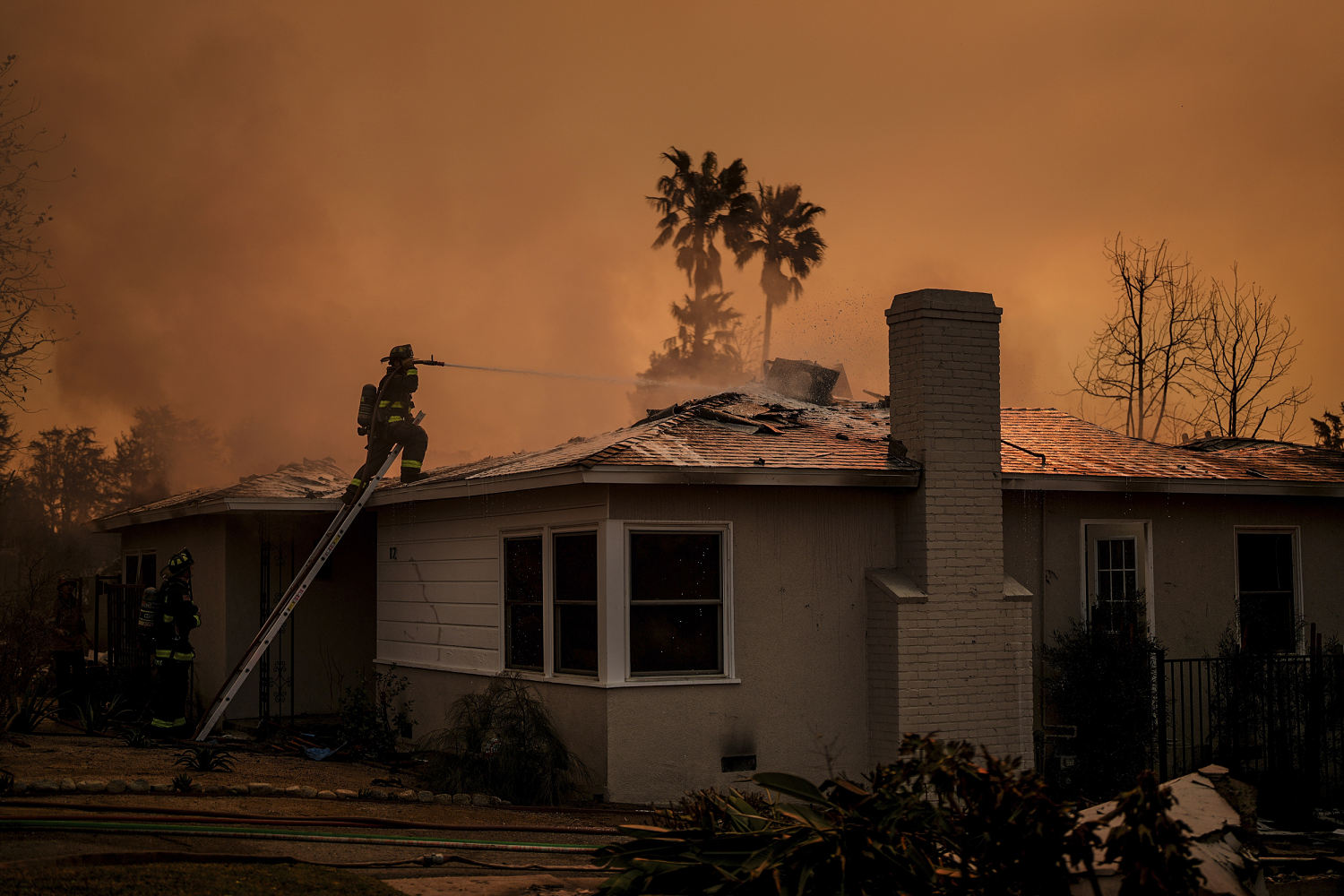
Returning home after a wildfire involves navigating a labyrinth of toxic ash, compromised water systems, and structural instability long before the smoke completely clears from the valley. When the evacuation orders finally lift, displaced residents rush back expecting to find a secure neighborhood, only to encounter a silent, complex environment laden with heavy metals, volatile organic compounds, and microscopic debris. California has attempted to bring order to this chaotic re-entry process through pioneering standardization, yet returning to a disaster zone remains an exercise in calculated danger.
The public narrative usually centers on the sheer wall of flame, but the true hazard begins after the front lines pull out. Modern suburban and urban wildfires do not merely burn timber and brush. They consume automobiles, electronics, treated lumber, and household chemicals, creating a chemical soup that settles over everything.
The Hidden Chemistry of Ash
When a residential structure burns at extreme temperatures, everyday consumer goods transform into hazardous waste. Standard household items contain lead, arsenic, asbestos, and various synthetic polymers.
As these materials combust and settle into the soil and structural remnants, they create a toxic matrix. Stepping onto a property without proper respiratory protection exposes the lungs to fine particulate matter capable of penetrating deep into alveolar tissue.
Consider a hypothetical family returning to their suburban property after an evacuation notice expires. They see standing walls and an intact roof frame, giving a false sense of security. The visible ash coating the patio looks like ordinary fireplace soot. In reality, that dust contains concentrated polycyclic aromatic hydrocarbons and heavy metal residues from melted appliances and electronics.
Standard N95 masks, often handed out haphazardly at relief checkpoints, are structurally inadequate for filtering these sub-micron toxic particles. Professional remediation requires specialized P100 respirators, yet many returning homeowners walk through their properties in shorts and t-shirts, breathing in hazards that linger for weeks.
The Infrastructure Illusion
Water infrastructure represents another catastrophic failure point during post-wildfire re-entry. When municipal water systems lose pressure due to massive firefighting demand, back-siphonage can pull toxic gases and ash directly into the municipal pipes.
Communities across the West have returned home only to discover that their tap water is laced with high levels of benzene and other volatile organic compounds. Boiling the water does not remove these contaminants; in fact, it can concentrate them or release volatile toxins into the indoor air of a poorly ventilated home.
Municipalities often struggle to test every lateral line before lifting evacuation orders. Residents turn on their kitchen taps to wash away the grit, unaware that the plumbing system itself has become a chemical hazard.
Public health officials issue boil-water advisories, but benzene contamination requires complex laboratory testing that can take days or weeks. This lag leaves returning families dependent on bottled water while living yards away from an untested distribution network.
The Standardization Battle
Legislative bodies face immense pressure to formalize re-entry protocols to prevent residents from sneaking past checkpoints or returning prematurely. Standardizing this process requires balancing public safety with the psychological urgency of displacement.
When states attempt to codify re-entry safety, they run into the messy reality of local logistics. Fire districts, county sheriffs, and public health departments often operate under conflicting mandates.
Sheriffs want to keep areas locked down to prevent looting and manage liability. Health officers want air and water verification. Residents simply want to check on their pets and salvage family heirlooms.
This friction creates a chaotic patchwork of enforcement. One neighborhood might remain locked down behind armed checkpoints for two weeks, while an adjacent zone with identical risk profiles opens up early due to political pressure from local business owners.
Psychological Pressures and Economic Realities
The rush to return is rarely driven by ignorance of the risks. It is driven by the brutal economics of modern displacement.
Insurance policies often cover temporary housing for only a limited duration. As that window closes, families face financial ruin if they cannot reoccupy a habitable structure or begin the formal rebuilding process.
This financial countdown forces people to make impossible choices. Stay in a hotel room that insurance will no longer pay for, or move back into a home with compromised indoor air quality and no running water.
The human cost of these disasters extends far beyond the perimeter of the burn scar. Displaced residents live in a state of chronic hyper-vigilance, moving from motels to rental properties while battling carriers over claim payouts.
When the gates finally open, the instinct to reclaim some semblance of normalcy overpowers rational caution. People shovel ash without gloves, sweep drywall dust into the air, and sleep in bedrooms coated in toxic particulate matter because the alternative is complete financial exhaustion.
Re-entry standards must account for this desperation. Until guidelines include robust financial bridges for extended displacement and rigorous, mandatory infrastructure testing before a single resident crosses the line, returning home will remain a hazardous gamble disguised as recovery.