The Air Stops Moving
You do not hear a heat dome coming. It makes no sound. Rainstorms announce themselves with thunder; tornadoes scream like freight trains. But a heat dome simply arrives, settles in, and refuses to leave.
It begins high above the Earth, where a sprawling ridge of high pressure traps the warm air beneath it. Think of a heavy glass lid clamped down tight over an iron skillet. The sun shines through, heating the pavement, the brick, the asphalt, and the dry grass. Normally, that trapped heat would rise, escape into the upper atmosphere, and dissipate. Instead, the high pressure acts like a invisible piston, pushing the warming air back down toward the soil. As the air sinks, it compresses. As it compresses, it grows even hotter.
Then the wind dies.
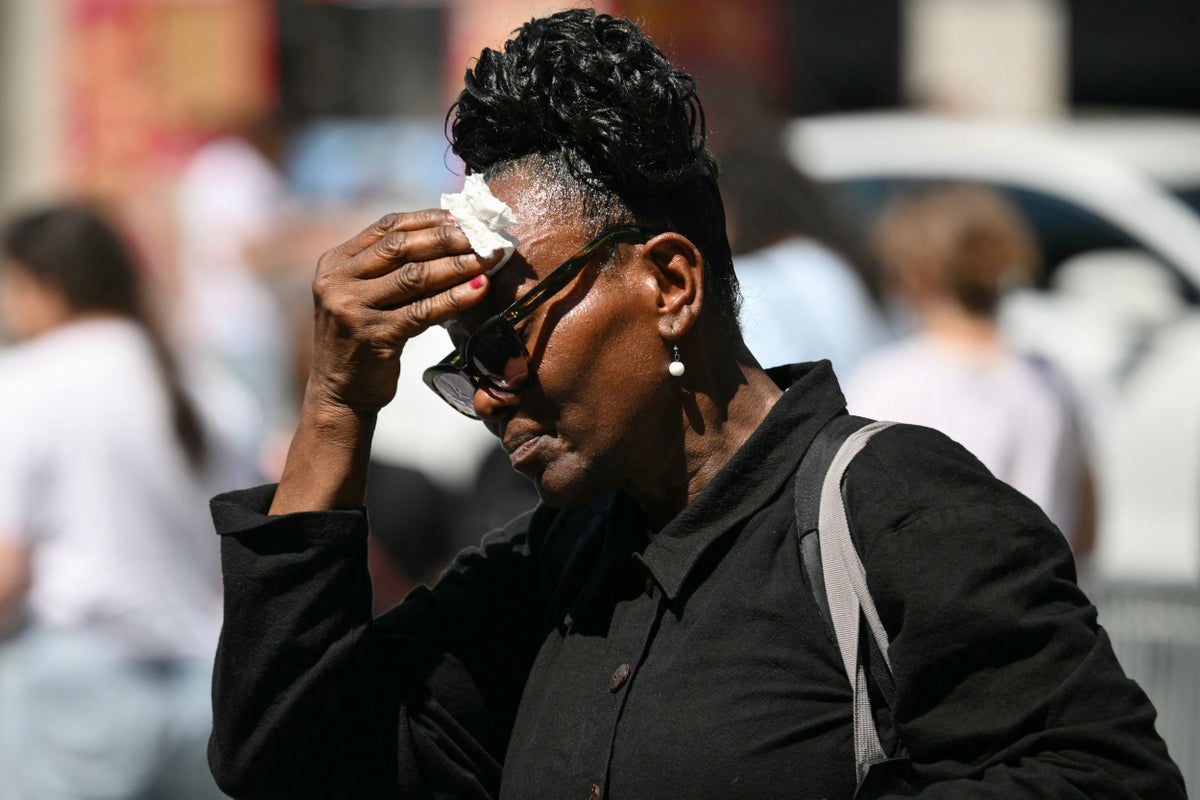
Walk outside on a Tuesday morning in the middle of a triple-digit heat event, and the first thing you notice is the heavy, motionless silence. The air feels thick, almost solid, like stepping into a sauna where someone turned the thermostat past its maximum setting. The pavement radiates a fierce, upward shimmer that distorts the horizon.
By noon, the thermometer hits 104 degrees Fahrenheit. By three in the afternoon, the heat index makes it feel like 112.
This is not just summer. It is an atmospheric blockade.
What Happens Inside the Human Engine
The human body is an extraordinary thermoregulation machine, designed to maintain an internal core temperature of roughly 98.6 degrees Fahrenheit. When the temperature outside surpasses that mark, the body treats the environment as an active threat.
To survive, your brain sends a panic signal to your cardiovascular system.
- The Blood Rushes Outward: Your heart starts pumping faster and harder, forcing blood toward the skin’s surface to release heat into the surrounding air.
- The Sweat Glands Open: Evaporation is your body’s primary cooling system. Sweat absorbs body heat and evaporates into the atmosphere, taking the warmth with it.
It is a simple, elegant system. But it relies heavily on atmospheric cooperation.
When the air is stagnant and saturated with humidity, sweat cannot evaporate. The drops pool on your skin, useless. Meanwhile, your heart continues to race, working twice as hard to push blood to the surface. It is like running a car engine at redline while idling in a driveway.
In homes without air conditioning, the air turns suffocatingly dense. Night brings no relief. During a standard summer cycle, the earth cools down after sunset, allowing human bodies to rest and repair. Under a heat dome, the heat remains locked near the surface long after dark. Temperatures in living rooms stay locked at 90 degrees well past midnight.
The body never gets a chance to reset. The core temperature creeps upward. Dizziness sets in. Muscles cramp as essential electrolytes bleed out through sweat. Without intervention, heat exhaustion quietly turns into heat stroke, a critical emergency where the internal organs begin to shut down.
The Quiet Collapse of Daily Infrastructure
We like to think our cities are built of indestructible stuff. We build with steel, concrete, and heavy copper wire. Yet heat domes expose how fragile these materials actually are when forced to endure unrelenting thermal stress.
Consider the electrical grid.
As millions of people push their air conditioners to maximum power, the demand for electricity surges to unprecedented heights. Transformers on utility poles—already baking under a relentless sun—struggle to shed their own operational heat. High-voltage power lines warm up, expand, and begin to sag toward tree branches below.
Power plants themselves feel the strain. Many traditional power stations rely on local rivers or lakes for cooling water. When a heat dome bakes a region for a week, those water sources warm up, reducing the plant's operational efficiency at the exact moment the community needs maximum output.
The asphalt underfoot softens, turning pliable under the weight of heavy delivery trucks. Steel bridge expansion joints jam together, threatening to buckle roadways. Railway tracks distort under extreme thermal expansion, forcing trains to slow to a crawl to avoid derailment.
The infrastructure does not explode. It simply wilts.
Surviving the Pressure Cooker
Navigating an atmospheric trap requires changing how we move through the day. The old rules of summer no longer apply when temperatures push past triple digits under high pressure.
Protection comes down to a few fundamental adjustments:
- Hydrate Before You Feel Thirsty: By the time your throat feels dry, your body is already fighting a losing battle against fluid loss. Drink water continuously, and supplement with electrolytes if sweating heavily.
- Create Cool Micro-climates: If central cooling is unavailable, isolate a single room in the home. Block out direct sunlight with thermal curtains, blankets, or aluminum foil on windows.
- Recognize the Warning Signs: Heat exhaustion manifests as heavy sweating, cold or clammy skin, a weak pulse, and nausea. Heat stroke brings a rapid, strong pulse, confusion, and a lack of sweating despite scorching temperatures. The latter requires immediate medical intervention.
- Check on the Vulnerable: Elderly neighbors, young children, and outdoor workers bear the brunt of these events. A ten-minute check-in can alter the outcome of someone’s day.
The sun eventually dips below the horizon, leaving behind a sky stained in deep shades of deep red and dusty purple. The temperature gauge on the porch barely moves, ticking down a single degree as twilight fades into a thick, dark haze.
In the quiet hours before dawn, the streets remain empty and dark. The glass lid high above stays firmly in place, waiting for the sun to rise and light the burner once again.