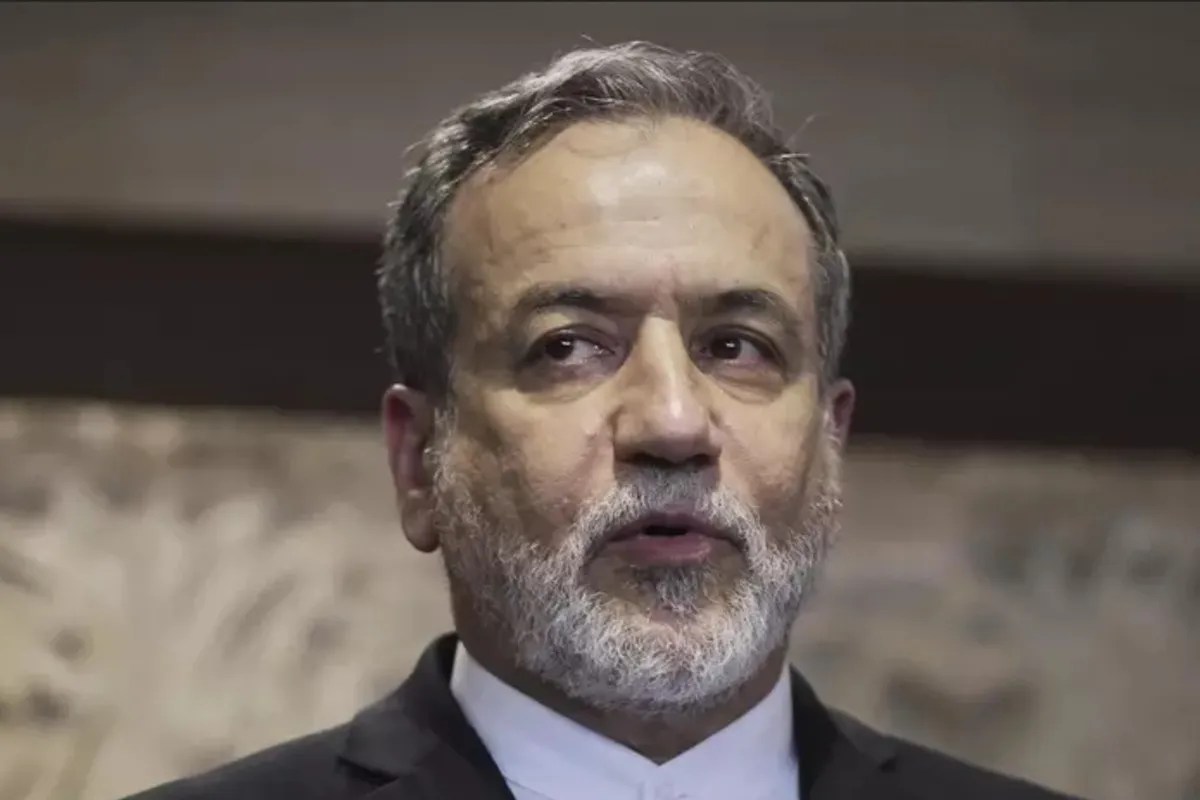
Geopolitical chess never stops moving, and Tehran just made its next big play. Iranian Foreign Minister Abbas Araghchi made it clear that Iran intends to lean heavily on diplomatic channels to protect its national security and break through punishing economic barriers. But don't mistake this diplomatic push for weakness. It's a calculated strategy born from decades of economic pressure, regional friction, and shifting global alliances.
If you've been watching Middle Eastern politics, you know the standard playbook: Washington imposes sweeping economic sanctions, Tehran pushes back rhetorically, and tensions spike. Yet, Araghchi's recent stance signals an evolution. Instead of retreating into total isolation, Iran is actively reshaping its foreign policy to bypass restrictions through regional cooperation, energy partnerships, and calculated international dialogue. You might also find this related article insightful: Hailing Narendra Modi for Work Ethic Misses What Rishi Sunak Actually Needed.
The Real Driver Behind Tehran's Diplomatic Shift
Sanctions aren't new to Iran. For decades, the country has lived under some of the strictest economic embargoes in modern history. U.S. and Western officials often argue that economic pressure alone can force regime compliance or collapse. But reality is messier. Heavy sanctions haven't broken Tehran's resolve; instead, they've forced the government to diversify its trade routes, strengthen ties with neighboring states, and build a domestic resilience framework.
When Araghchi talks about using diplomacy to counter sanctions, he's talking about economic statecraft. Tehran is looking outward toward regional economic bodies like the Economic Cooperation Organization (ECO) and deepening energy ties across Central Asia. By securing independent trade corridors and securing energy transit routes, Iran aims to render unilateral Western sanctions toothless. As reported in recent articles by The Washington Post, the effects are significant.
Why Washington's Strategy Faces Pushback
The U.S. and its allies rely heavily on financial isolation and naval chokepoints—like the tense dynamics around the Strait of Hormuz—to squeeze Iran's economy. Yet, this approach comes with massive collateral damage. Global energy markets react violently to every flare-up, pushing up fuel prices worldwide and frustrating European and Asian trading partners who bear the brunt of supply chain disruptions.
Iranian leadership frequently points out the hypocrisy in Western approaches, noting that while Washington talks about regional stability, its policies of economic warfare and targeted restrictions achieve the exact opposite. Tehran's stance is straightforward: if the international community wants stable energy markets and secure trade routes, it has to respect international law and roll back aggressive blockades.
The Hurdles Ahead for Iran's Strategy
Of course, talking a good game on the diplomatic stage doesn't automatically fix a battered domestic economy. Inflation, currency devaluation, and everyday hardships continue to weigh heavily on ordinary Iranians. Diplomacy is a slow instrument, and bridging the gap between Tehran's core demands—such as the complete lifting of oil export bans and the unfreezing of international assets—and Western compliance remains a monumental hurdle.
At the same time, regional neighbors are growing tired of perpetual proxy conflicts and economic instability. Countries across the region are quietly pushing for independent security arrangements that keep external superpowers from turning local territories into battlegrounds. Iran's push for regional integration fits neatly into this desire for autonomy, even if deep mistrust still lingers on all sides.
What Comes Next for Global Energy and Trade
You can't separate Iran's foreign policy from global oil flows and maritime security. As long as key transit corridors remain vulnerable to geopolitical posturing, energy prices will remain volatile. Tehran knows that its leverage lies not just in its military readiness, but in its ability to offer—or withhold—cooperation on regional security.
The smart move isn't waiting for a miraculous grand bargain between Washington and Tehran. Instead, watch how Iran builds bilateral ties with non-Western economic powerhouses. Sanctions lose their punch the moment alternative financial networks and trade corridors are established. Tehran's bet on diplomacy is ultimately a bet on a multipolar world order—one where Western pressure can be systematically bypassed through regional grit and alternative partnerships.