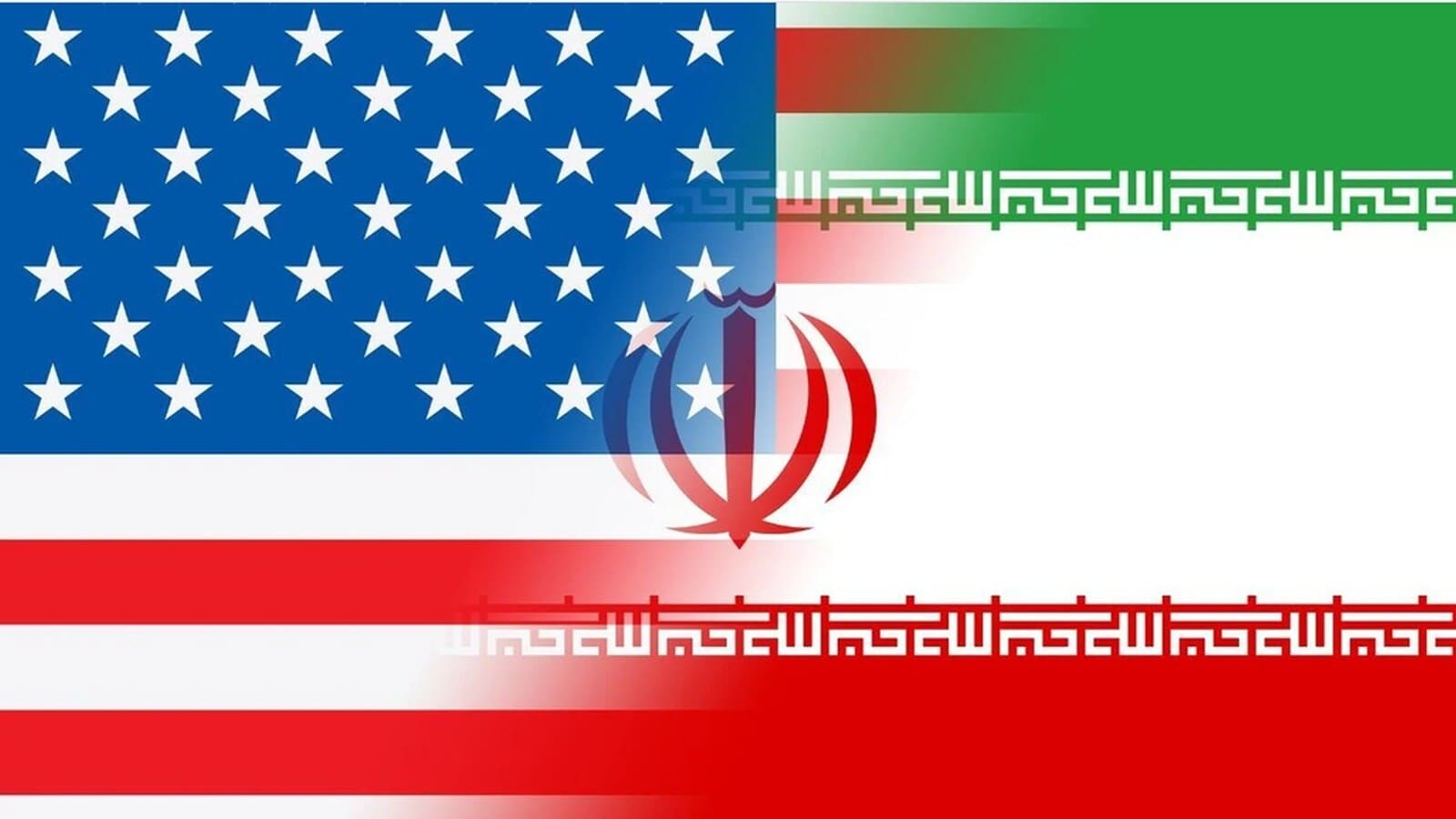
Six months ago, Washington promised a quick foreign policy win that would wrap up in weeks. Instead, the military confrontation with Iran has settled into a grinding, miserable deadlock. You are looking at a classic strategic trap. The United States and Israel launched massive strikes back in late February, hoping to shatter Iran's military spine and force a rapid surrender.
That quick-win fantasy evaporated long ago. Today, the conflict has curdled into an expensive stalemate with no clean off-ramp in sight. Shipping through the Strait of Hormuz remains heavily disrupted, global energy markets are sweating, and the White House has quietly shifted its strategy from active bombing runs to heavy economic coercion. If you want to understand why this crisis refuses to die, you have to look past the political posturing and examine the harsh math driving the ground reality.
The Trap in the Strait of Hormuz
The primary pressure point of this entire conflict sits in a narrow strip of water carrying roughly a fifth of the world's daily energy supplies. Tehran realized early on that it couldn't win a conventional naval battle against the United States. It didn't need to. By keeping the Strait effectively choked off through asymmetric threats, drones, and regional proxy harassment, Iran turned global maritime trade into its primary bargaining chip.
Washington wants Iran to surrender all leverage over the waterway without giving Tehran any say in regional maritime management. Iran wants the U.S. naval blockade lifted without looking like it folded. Neither side can back down without losing face domestically, which is why mediated talks keep hitting a brick wall. Proposals floated by regional intermediaries like Oman and Qatar to open temporary shipping lanes stall out because neither Washington nor Tehran trusts the other to honor the baseline terms.
Why the Military Option Ran Out of Steam
Military planners grossly underestimated the depth and resilience of Iran's underground infrastructure. Early on, U.S. Central Command touted massive destruction of Iranian naval assets and air defense systems. Yet, intelligence estimates revealed a starker reality: a substantial portion of Iran's mobile missile arsenal survived tucked deep inside heavily reinforced subterranean bunkers.
At the same time, the war of attrition has burned through critical American stockpiles. Interceptor missiles like the Patriot and THAAD inventories have taken a massive hit defending against retaliatory strikes. When you are burning through multi-million-dollar defense interceptors to knock out inexpensive asymmetric drones, the financial imbalance works entirely against you. The Pentagon realized it could not sustain unlimited high-intensity expenditures without risking readiness gaps elsewhere in the world.
The Economic Squeeze and Its Limits
Stymied on the battlefield, the administration pivoted toward a strategy of total financial isolation, rolling out aggressive Treasury initiatives aimed at choking off whatever remaining trade routes Tehran relies on. Secretary of the Treasury Scott Bessent has leaned heavily into financial blockades, but economists remain deeply skeptical that sanctions alone will force the clerical leadership to capitulate.
Iran has lived under heavy international sanctions for decades. Its economy is battered, and domestic inflation is staggering—with food inflation hitting triple-digit spikes that crush ordinary citizens. But autocracies under siege rarely collapse neatly on schedule. Instead of sparking a popular uprising, external pressure has given the regime an excuse to ramp up internal security crackdowns and unify hardliners against foreign aggression.
What Regional Allies Are Doing Behind the Scenes
Gulf states like Saudi Arabia and the United Arab Emirates are watching this stalemate with mounting anxiety. They never wanted this war, and they certainly don't want to become the primary target for retaliatory missile strikes if things escalate again.
Behind closed doors, regional leaders are hedging their bets. They are maintaining open diplomatic channels with Tehran while quietly questioning whether Washington's long-term security guarantees in the Middle East are worth relying on. They want the conflict contained immediately, even if it means accepting a messy, imperfect compromise that leaves Iran standing.
Look for the diplomatic deadlock to persist through the autumn months as back-channel negotiations stumble over basic sequencing issues. Washington will keep tightening financial screws while avoiding large-scale boots-on-the-ground deployments or major new air campaigns. Meanwhile, keep a close eye on alternative maritime proposals brokered by third-party Gulf nations; if a workable workaround for the Strait of Hormuz finally materializes, it will happen entirely outside formal U.S.-Iran direct talks.