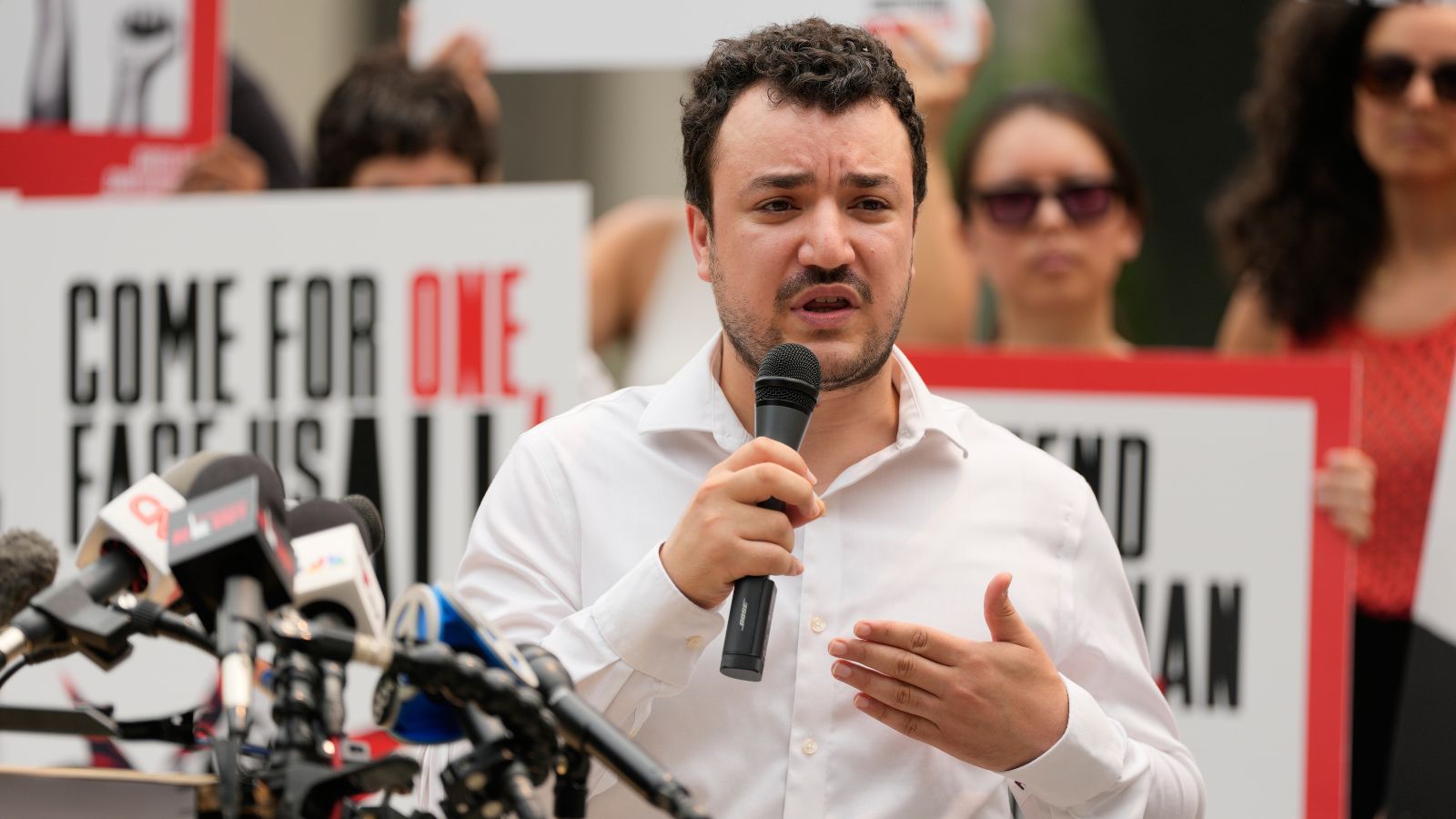
Geopolitical meltdowns rarely produce soundbites as blunt as the one echoing across the Middle East right now. When Iranian journalist Basim Laleh looked into a camera and declared, "Mr Munir, you are fired," he didn't just target Pakistan Army Chief Asim Munir. He laid bare a much larger realignment in global diplomacy.
Islamabad has spent years trying to style itself as an indispensable mediator between West Asian powers and the West, particularly in managing friction around vital transit corridors like the Strait of Hormuz. But as Laleh's viral outburst highlights, the actual currency of regional influence has shifted. While Pakistan pushes hard for a diplomatic seat at the table, rising heavyweights like India under Prime Minister Narendra Modi are quietly anchoring long-term strategic relationships. For a closer look into this area, we suggest: this related article.
Let's look past the viral noise. What does this flashpoint actually mean for the shifting centers of gravity in West Asia?
The Fall of the Middleman Myth
Pakistan's foreign policy playbook has historically relied on playing the indispensable broker. Army chiefs and civilian leaders alike frequently hop between Gulf capitals, offering military cooperation or mediation services. Yet, the limits of this strategy become obvious when acute regional crises flare up. For further information on this development, in-depth reporting can also be found on NPR.
When Tehran faced intense diplomatic and economic pressures, Islamabad's attempts to position itself as a master peace-broker fell flat among local commentators and strategic analysts. Laleh's harsh critique—telling Munir he couldn't deliver global peace or secure the Strait of Hormuz—reflects a growing impatience in parts of West Asia with diplomatic posturing that lacks economic muscle.
Real influence isn't claimed through press releases. It requires economic integration, energy security partnerships, and baseline reliability. Pakistan's domestic economic turbulence has severely hamstrung its ability to back up its diplomatic ambitions with tangible investments. When you are constantly seeking bailouts yourself, you cannot credibly project stability abroad.
Why Modi's West Asia Strategy Is Winning
While Islamabad scrambles for relevance, New Delhi has taken a completely different path. India's approach to West Asia avoids flashy rhetoric, opting instead for steady, multifaceted engagement.
Consider how India balances its relationships. New Delhi maintains robust economic and strategic ties with Israel, Saudi Arabia, the United Arab Emirates, and Iran simultaneously. Projects like the Chabahar Port show that India can sustain long-term infrastructure commitments despite international sanctions and regional volatility.
When leaders gather at multilateral forums like the BRICS summit, the contrast in weight becomes impossible to ignore. India's massive market and stable economic growth give its diplomatic voice actual gravity. Prime Minister Modi hasn't tried to police the Gulf or act as an unwanted referee. Instead, India has positioned itself as an indispensable economic stakeholder. In modern geopolitics, nations prefer partners who bring trade and technology over those offering uninvited mediation.
Separating Viral Soundbites From Hard Reality
We need to keep things in perspective. Basim Laleh is an independent journalist, not a spokesperson for the Iranian foreign ministry. Tehran hasn't issued a formal state decree banning Pakistan from its diplomatic circle. Official channels still maintain standard diplomatic communications, and General Munir has continued his outreach.
Dismissing the comment as a mere media stunt, however, misses the bigger picture. Public commentators often articulate the shifting tides that institutional diplomats whisper about behind closed doors. The tolerance for hollow diplomatic maneuvers is shrinking.
As West Asia navigates a volatile future, countries are choosing their partners based on economic resilience and strategic consistency. The message sent from Tehran to Islamabad wasn't just about a failed peace deal. It was a brutal reminder that old playbooks don't work in a multipolar world where real power belongs to those who build, trade, and deliver.