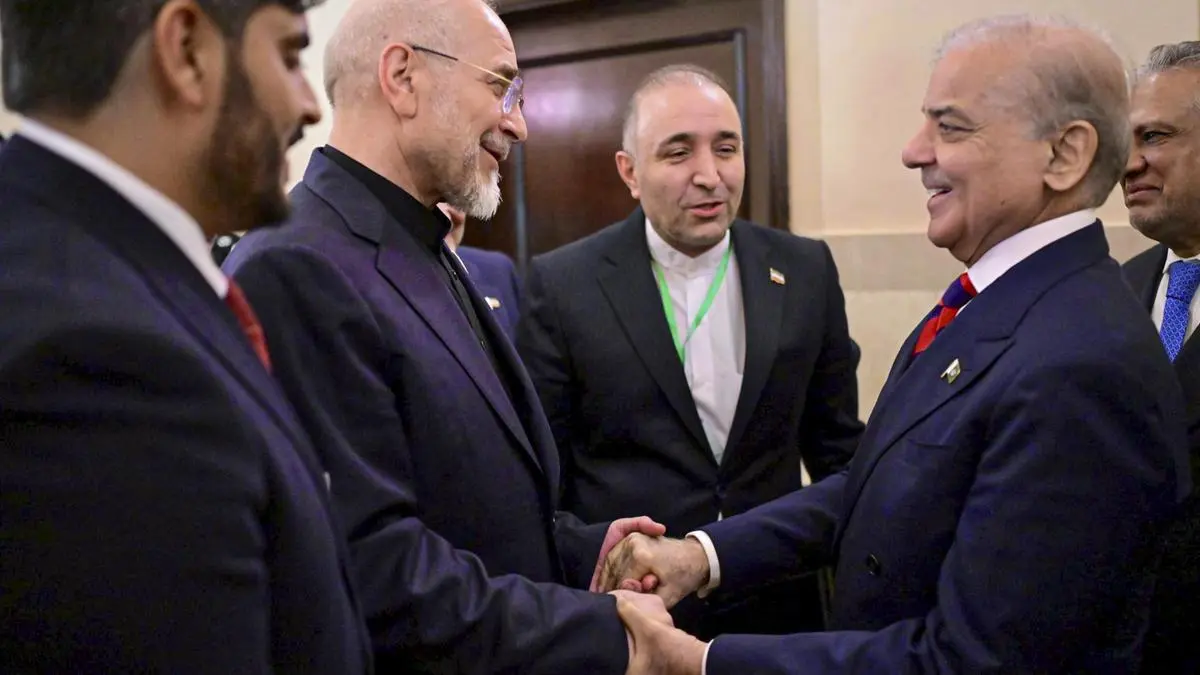
The world is holding its breath as the Serena Hotel in Islamabad turns into the most fortified piece of real estate on the planet. Forget the usual diplomatic dinners and vague press releases. What’s happening right now in Pakistan is a high-stakes gamble that will determine if the global economy survives the year or if West Asia descends into a permanent state of fire.
The U.S. and Iran are finally in the same city, sitting in the same hotel, trying to figure out how to stop a war that neither side can afford to continue but neither knows how to quit.
The players at the table
If you're looking for signs that this isn't just another talk shop, look at the roster. On the American side, you've got Vice President JD Vance leading a team that includes Steve Witkoff and Jared Kushner. This isn't just a State Department mission; it’s a direct line to the Oval Office. President Trump has already made it clear: he wants a deal, and he wants it fast. He’s operating with his "America First" logic, basically telling Tehran that if they don't open the Strait of Hormuz, he’s ready to flatten their infrastructure.
Iran isn't sending low-level bureaucrats either. Parliament Speaker Mohammad Bagher Ghalibaf is there, along with Foreign Minister Abbas Araghchi. Ghalibaf is a former IRGC commander, which means he carries weight with the hardliners back home. If he signs off on something, it might actually stick.
What’s actually on the line
Most people think this is just about "peace," but that's too simple. This is about oil, nuclear enrichment, and the survival of regional proxies. Here’s the reality of the two conflicting visions:
- The U.S. Demands: Washington wants an immediate, permanent reopening of the Strait of Hormuz. They’re pushing for a 15-point plan that involves freezing Iran’s nuclear program and securing maritime routes. In return, they’re dangling the carrot of unfreezing Iranian assets and some sanctions relief.
- The Iranian Counter: Tehran has its own 10-point plan. They want a total withdrawal of U.S. forces from the region and a toll system for ships crossing the Strait of Hormuz. They’re also demanding that any deal include a ceasefire in Lebanon, which is currently the biggest hurdle to a signed agreement.
Israel is the ghost at the table. While they aren't physically in Islamabad, their airstrikes in Lebanon are effectively dictating the tempo of the talks. Iran says it won't negotiate while its allies are being hit, while the U.S. is trying to keep the Lebanon conflict separate from the direct U.S.-Iran peace track. It’s a mess.
Why Pakistan is the host
You might wonder why Islamabad? Pakistan has pulled off a diplomatic miracle here. They’ve managed to maintain a working relationship with both Tehran and Washington when almost nobody else could.
Prime Minister Shehbaz Sharif is basically acting as the world’s most stressed-out waiter, making sure both sides stay in the building. It’s a massive win for Pakistani diplomacy, but the pressure is immense. If the talks fail on their soil, the fallout won't just be regional—it'll be global.
The oil factor
Let’s be honest about why you should care. The Strait of Hormuz is the world's jugular vein for energy. Since the conflict escalated, oil prices have been swinging wildly. If these talks collapse and the Strait stays closed or becomes a permanent battleground, you’re going to see gas prices that make the 1970s look like the good old days.
The U.S. team knows this. The Iranian team knows they hold that leverage. It’s a classic standoff where both sides are pointing a gun at the global economy’s head.
What happens if this fails
The ceasefire is fragile. It’s a two-week window that expires on April 22. If there’s no framework by then, the "America First" approach likely shifts from negotiation to massive military escalation. Trump has been vocal about his willingness to use force if Iran "plays" the U.S. delegation.
On the flip side, if Tehran feels backed into a corner without significant sanctions relief or a Lebanon ceasefire, they’ll likely double down on their proxy network. That means more missiles, more drone strikes, and a definitive end to any hope of a nuclear compromise.
Tracking the next 48 hours
The next few days in Islamabad are critical. Watch for news on three specific things:
- Frozen Assets: If the U.S. moves to release Iranian funds early, it’s a sign a deal is close.
- Lebanon: If there’s a sudden lull in Israeli strikes, it means the U.S. successfully pressured its ally to give the talks breathing room.
- The Strait: Any announcement regarding a "maritime security framework" is the golden ticket.
Don't expect a perfect peace treaty. This is about survival. Both sides are looking for a way to save face while avoiding a total meltdown. Honestly, a "messy compromise" is the best the world can hope for right now.
Keep an eye on the official statements coming out of the Serena Hotel. If the delegations stay beyond the initial scheduled days, it means they're actually talking, not just posturing. If someone leaves early, start worrying about the price of oil.