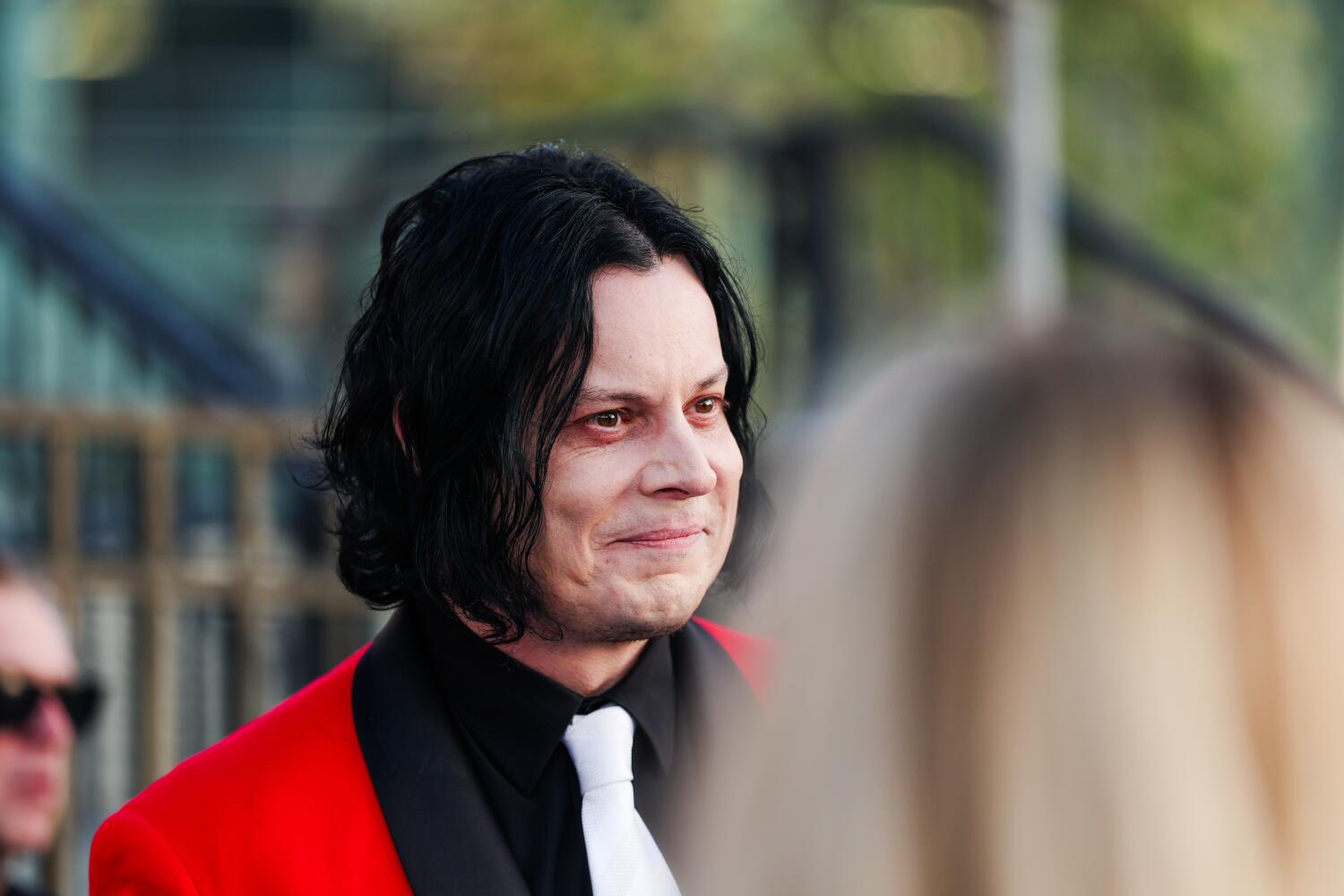
The release of Coachella set times is usually the moment the digital frenzy peaks, a final logistical puzzle for attendees to solve. But the 2026 drop carried a different weight. Buried in the schedule was the confirmation of Jack White as a last-minute addition, a move that signals more than just a "surprise" set. It is a calculated intervention. Goldenvoice is currently fighting a war on two fronts: a softening market for high-priced festival passes and a growing identity crisis in an era where "headliner" status has been diluted by social media metrics.
Jack White appearing on the bill isn't a gift. It's a correction. After years of leaning heavily into pop-timism and TikTok-driven sensations, the festival found itself with a lineup that lacked the grit and unpredictable energy that built its legend in the early 2000s. By slotting a rock purist into a late-night window, the organizers are attempting to bridge the gap between the legacy fans who can afford the $600 tickets and the younger demographic that drives the online conversation.
The Logistics of a Desert Hail Mary
Securing an artist of White’s caliber days before the gates open is a massive logistical undertaking. This isn't just about a guy and a guitar. It involves moving a massive touring crew, specialized analog gear, and securing insurance riders on a timeline that would make most production managers quit.
Why now? The industry has watched Coachella’s "sell-out" speed slow down significantly over the last few cycles. In the past, tickets vanished in minutes. This year, the primary market stayed open for weeks. When the scarcity myth dies, the brand suffers. Adding a "secret" headliner is a classic move from the promoter’s handbook to reignite the FOMO (Fear Of Missing Out) that once fueled the festival’s bottom line.
Reclaiming the Rock Pedigree
For a decade, the narrative surrounding Coachella has been the slow death of the guitar. The festival that once hosted Rage Against the Machine and The White Stripes became the home of the "Instagram backdrop" set. Jack White represents the antithesis of that culture. He is famous for banning phones at his shows, forcing an audience to actually look at the stage rather than a four-inch screen.
This creates a fascinating friction. You have a festival built on digital vanity inviting a performer who demands digital silence. If White enforces his usual "no-phone" policy in the desert, it will be the most radical act seen on those grounds in years. It forces the question of whether Coachella is still a place for music or if it has transitioned fully into a content farm for influencers.
The Problem with the Modern Headliner
The struggle to find "Coachella-sized" acts is real. The industry has failed to develop new artists who can command a 100,000-person field without the help of a massive light show and a dozen backup dancers. When you look at the 2026 lineup, the reliance on reunions and "special guests" is glaring.
- Ticket Price Inflation: General admission now nears $600 before you even buy a bottle of water.
- Production Costs: The "arms race" of stage design has made smaller, high-energy sets less profitable for promoters.
- The Streaming Trap: Algorithms favor consistent, predictable sounds, making the "unpredictable rock star" a rare and expensive commodity.
White doesn't need a backing track. He doesn't need a synchronized dance routine. He provides a raw, sonic violence that serves as a necessary palette cleanser for a weekend often criticized for being too polished.
Behind the Goldenvoice Curtain
Paul Tollett and the team at Goldenvoice are playing a high-stakes game of reputation management. The festival circuit is overcrowded, and the "Coachella Tax"—the premium people pay just for the name—is being questioned. By bringing in Jack White, they are courting the "rockist" demographic they spent years alienating. It is a pivot toward credibility.
There is also the matter of the "surprise" element itself. In the age of leaks and Reddit sleuths, keeping a secret is nearly impossible. The fact that this stayed under wraps until the set times dropped suggests a very small circle of trust and a contract signed in ink that was barely dry. It suggests a level of desperation. You don't break the "Jack White" glass unless the building is starting to smoke.
The Ripple Effect on Festival Culture
When Coachella moves, the rest of the industry watches. If the Jack White "surprise" succeeds in shifting the narrative from "slow ticket sales" to "must-see event," expect every major festival to hold back a massive name for their final schedule release. This would be a shift in how these events are marketed. Instead of a full lineup reveal in January, we may move toward a "rolling reveal" model designed to keep the brand in the news cycle for months.
However, this strategy is risky. It relies on the availability of a very small pool of "legacy" artists who can still draw a crowd. If you do this with a mid-tier indie act, the public feels cheated. You have to swing for the fences.
Why the Surprise Matters for the Fans
From a fan perspective, the set-time drop is the first time the festival feels real. It’s when you realize your favorite three bands are all playing at 9:00 PM on different stages. The addition of White adds a layer of chaos to that decision-making process.
- The Conflict: Do you stay for the pop superstar on the Main Stage, or trek to the Mojave for a guitar clinic?
- The Crowds: Last-minute additions often result in "bottleneck" situations where stages are over capacity because the scheduling didn't account for the sudden surge in interest.
- The Sound: Rock music outdoors is notoriously difficult to mix. White’s high-frequency, high-distortion sound will be a test for the desert’s wind and open-air acoustics.
The Economic Reality of the Desert
The financial health of Coachella is the financial health of the live music industry. It is the flagship. If it falters, it sends a signal to investors and labels that the "mega-festival" era might be peaking. The cost of attendance has outpaced the average person's disposable income, leading to a "VIP-only" atmosphere that can feel sterile.
Jack White is an expensive fix. His performance fee, production requirements, and the marketing push behind the surprise add millions to the overhead. For Goldenvoice, this isn't about making money on this specific set; it's about protecting the brand’s long-term valuation. They need the Monday morning headlines to be about a legendary performance, not about empty patches of grass in the back of the field.
The Ghost of Festivals Past
There is a sense of nostalgia in this move. It harks back to 2003 or 2004, when the lineup felt like a curated mixtape rather than a data-driven list of the most-streamed artists of the year. By inserting a veteran who cut his teeth in the Detroit garage scene, Coachella is trying to buy back its soul.
But can one man with a Telecaster fix a systemic issue? The "influencer" culture that defines modern Coachella isn't going away. The VIP tents aren't getting smaller. The $18 spicy pie is still $18. Adding a rock star to the bill is a great PR move, but it doesn't change the fact that the festival is increasingly a playground for the 1%.
The Unseen Technical Challenges
To pull off a Jack White set in the desert, you need more than just a stage. You need a specific type of power and a sound engineer who understands how to handle real analog signals in a digital environment. Most of the festival’s infrastructure is now optimized for playback and electronic triggers.
Bringing in a band that plays 100% live creates a "hot" stage environment. There are no click tracks to keep things in sync with the light show. The lighting director has to follow the music, not the other way around. It is a high-wire act that most modern pop stars wouldn't dream of attempting. This raw unpredictability is exactly what the festival has been missing. It provides the "danger" that makes live music worth the price of admission.
A New Standard for "Surprise"
The industry will be watching the "Jack White Effect" closely. If social media sentiment swings back to positive and the "weekend two" ticket sales see a spike, the "surprise headliner" will become a mandatory part of the festival playbook.
But there is a limit to how many times you can pull this rabbit out of a hat. There are only a handful of artists who carry this kind of weight—names like Daft Punk (the ultimate unicorn), Radiohead, or a reunited Oasis. Once you’ve used the Jack White card, the bar for next year goes even higher.
The 2026 Coachella set times aren't just a schedule; they are a manifesto. By placing Jack White in a prime slot, Goldenvoice is admitting that the current "pop-heavy" model has its limits. They are acknowledging that at the end of a long, hot day in the desert, people still want to hear a guitar turned up to ten. They want something that feels human, flawed, and loud.
Whether this is a one-time gimmick or a genuine shift in direction remains to be seen. But for one weekend, the desert will sound a lot less like a playlist and a lot more like a riot. The real test isn't whether Jack White plays a good show—he always does. The test is whether the audience is still capable of putting down their phones long enough to notice.
The move is a gamble on the idea that authenticity still has market value. In a world of filtered images and curated lives, a man sweating over a guitar is the most "premium" experience Goldenvoice has left to sell.
Buy the ticket, take the ride, and hope the wind doesn't blow the sound away.