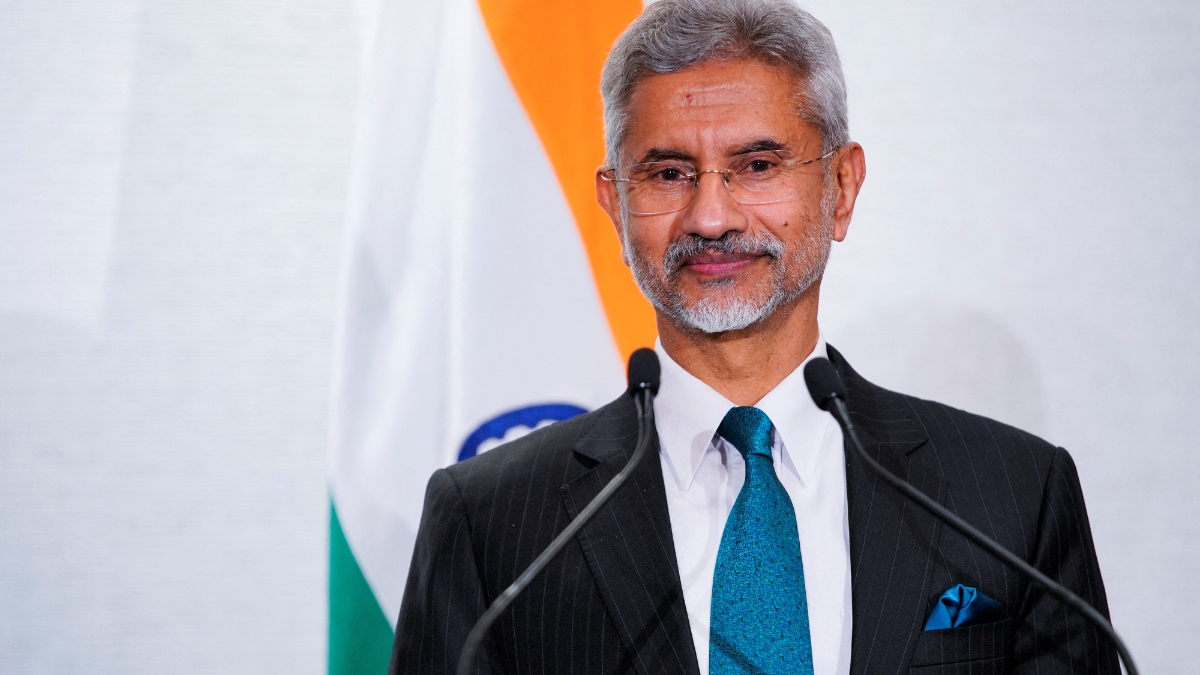
India's External Affairs Minister S. Jaishankar just got off the phone with Kuwait’s Foreign Minister Abdullah Ali Al-Yahya. On the surface, it looks like standard diplomatic procedure. You see these headlines every week. But look closer. This wasn't just a "check-in." India is deeply worried about the escalating instability in West Asia, and Kuwait is a lynchpin in how New Delhi manages the fallout.
The two leaders spent their time hashing out the rapid developments in a region that's currently a powder keg. If you’ve been following the news, you know the situation isn't just about one or two countries anymore. It’s a messy, interconnected web of maritime security threats, energy price volatility, and the safety of millions of Indian workers.
The Kuwait Connection is More Than Just Oil
Most people think of India’s relationship with Kuwait through a single lens: energy. Sure, Kuwait is a top-tier supplier of crude oil and LPG to India. That matters. But the real weight of this phone call lies in the human element. Kuwait hosts nearly one million Indian nationals. That’s a massive diaspora. When things go south in West Asia, the Indian government doesn't just worry about the price at the pump. It worries about the physical safety and the livelihoods of a population the size of a major city.
Jaishankar knows this. He’s been through the evacuation drills before. By keeping Kuwait close, India ensures it has a reliable partner for ground-level intelligence and logistical support if things get ugly. The conversation focused on the "developments in West Asia," which is diplomatic speak for the broadening conflict involving Israel, Gaza, and the various regional players like the Houthis and Hezbollah.
Kuwait has always maintained a relatively balanced, though firm, stance on regional issues. They aren't as flashy as the UAE or as aggressive as other neighbors. They’re steady. For India, a steady partner is worth their weight in gold right now.
Why the Red Sea Mess Impacts Your Wallet
You can't talk about West Asia without talking about the maritime routes. The Red Sea is a nightmare right now. Drone attacks and hijackings have forced shipping companies to take the long way around Africa. That adds weeks to travel times and millions to costs.
- Shipping Rates: They’ve spiked.
- Insurance: War risk premiums are through the roof.
- Supply Chains: Everything from electronics to grain is delayed.
Jaishankar and Al-Yahya aren't just talking about peace; they’re talking about keeping the veins of global trade open. India’s trade with Europe and parts of the Middle East depends on these waters being navigable. Kuwait, as a major maritime player in the Gulf, shares this anxiety. If the Gulf of Aden or the Strait of Hormuz gets choked, Kuwait’s economy takes a direct hit. India’s inflation numbers would follow suit.
The Strategic Silence of Traditional Diplomacy
What’s interesting is what wasn't said in the official readouts. India has been walking a tightrope. It condemned the October 7 attacks but has also consistently pushed for a two-state solution and sent tons of humanitarian aid to Palestine. Kuwait, meanwhile, remains one of the most vocal supporters of the Palestinian cause in the Gulf.
Despite these differing shades of rhetoric, the two countries find common ground in "de-escalation." Nobody wins if the conflict spreads to a full-scale regional war. Not India, which needs a stable environment for its "India-Middle East-Europe Economic Corridor" (IMEC) dreams. And certainly not Kuwait, which sits right in the middle of the geographical crossfire.
What India Gets Right About Middle East Diplomacy
India’s "Link West" policy isn't just a catchy slogan. It’s a survival strategy. In the past, India used to stay out of Middle Eastern squabbles. Not anymore. Jaishankar has transformed the Ministry of External Affairs into a proactive force. He’s not waiting for a crisis to peak before calling his counterparts. He’s building the bridges while the ground is still (mostly) firm.
One mistake many analysts make is treating the GCC (Gulf Cooperation Council) as a monolith. It isn't. Each country has its own nuances. Kuwait has a unique parliamentary system and a public opinion that's very engaged with regional politics. India respects that. By engaging Kuwait directly, Jaishankar acknowledges their specific influence in the Arab world.
The Real Risks on the Horizon
Let's be blunt. The risk of a miscalculation in the region is higher than it’s been in decades. A single stray missile or a misunderstood naval maneuver could trigger a chain reaction. India is playing the role of the "Vishwa Mitra" (friend of the world), trying to use its influence to pull people back from the ledge.
The conversation also touched on bilateral ties. It’s not all war and gloom. There’s a push to diversify trade beyond oil—think healthcare, tech, and education. But let’s not kid ourselves. The urgent "developments" were the meat of this call.
- Monitor the Energy Markets: If you see Kuwait or Saudi Arabia shifting their export priorities, expect a ripple effect in Indian fuel prices.
- Watch the Diaspora Reports: The safety of Indians in Kuwait is a leading indicator of how the Indian government perceives the threat level.
- Keep an Eye on Maritime Security: India has already deployed several destroyers in the Arabian Sea. Watch for joint exercises or "information sharing" agreements between India and Kuwait.
The takeaway? India isn't a passive observer. This call was a calculated move to ensure that when the next spike in regional tension happens, New Delhi and Kuwait City are already on the same page. It’s about building a buffer against chaos.
Stay updated on the official statements from the Ministry of External Affairs and watch for the next high-level visit. These phone calls are usually the precursor to more significant diplomatic shifts. The stability of your local economy might just depend on these quiet conversations happening thousands of miles away.