Donald Trump just pissed off one of the most fiercely protective fandoms on earth.
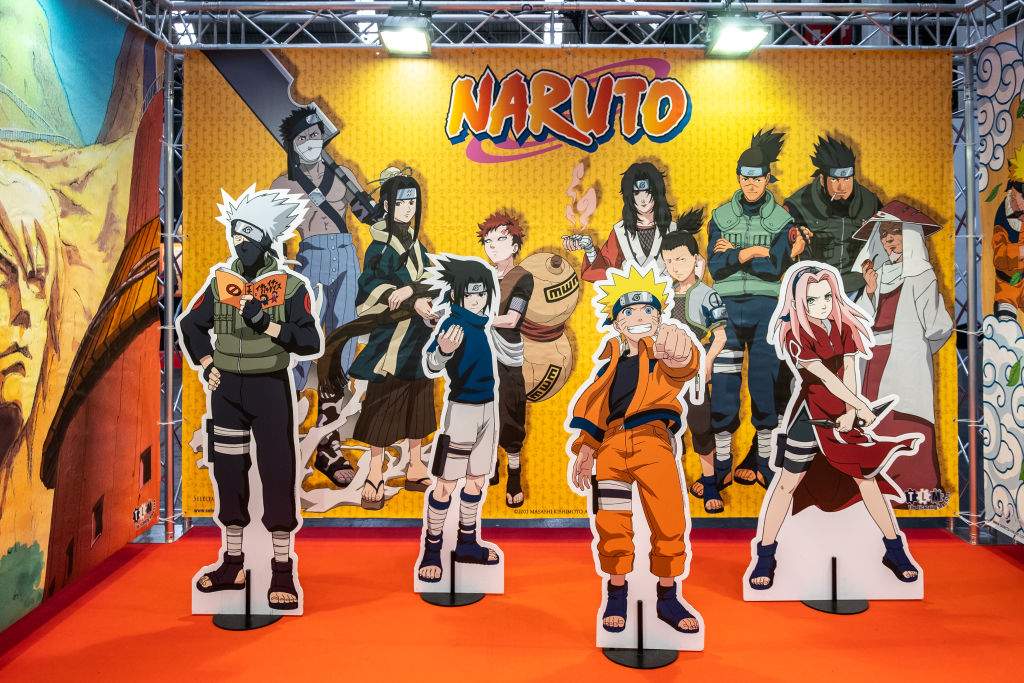
Over the weekend, the US President uploaded an AI-generated video to Truth Social. The clip didn't feature political rallies or typical campaign trail footage. Instead, it showed Trump dressed up in the iconic orange-and-black outfit of Naruto Uzumaki, performing ninja hand signs. For casual internet observers, it looked like just another bizarre piece of digital slop meant to farm engagement. For anime and manga fans in Japan, it was the final straw.
An online petition titled "Protect Japanese Manga" exploded on Change.org, quickly racking up nearly 20,000 signatures. Japanese fans aren't just leaving angry comments. They are actively lobbying their own government to intervene. It sounds absurd on the surface. A diplomatic dispute over a ninja meme?
But this isn't a joke to the people who create and love these stories. It's a massive clash over intellectual property, cultural respect, and the weaponization of beloved childhood icons for political warfare.
The Breaking Point of the Anime Fandom
This Naruto video didn't happen in a vacuum. It's the second time the Trump machine has hijacked Japanese pop culture for aggressive political messaging.
Back in March, the official White House X account posted a highly controversial video. The clip spliced real-world footage of US military strikes on Iran with animation from the legendary card-game anime Yu-Gi-Oh!. It was a jarring, surreal mix of actual violence and children's entertainment.
The backlash was instant. The official Yu-Gi-Oh! franchise account had to issue a public statement clarifying that the original creators and animation staff had absolutely nothing to do with the video, nor did they give permission. The petition actually started back then, but it lay dormant after the Japanese Ministry of Foreign Affairs reportedly made a quiet request to the US Embassy in Japan about the unauthorized use of Yu-Gi-Oh! and Nintendo assets.
Then Trump dropped the Naruto video. The organizers immediately reopened the petition with an urgent plea.
The core issue isn't that fans hate memes. They hate seeing characters built on themes of peace, redemption, and friendship used to celebrate military power or partisan politics. Naruto is a story about a lonely kid who stops cycles of war through empathy. Seeing that character used to brag about geopolitical dominance feels like a gut punch to people who grew up with the series.
Why Copyright Law Won't Save Shueisha
Everyone is asking the same question: Why don't the Japanese publishers just sue Trump?
Shueisha is Japan's biggest publisher. They ran the Naruto manga from 1999 to 2014, selling over 250 million copies worldwide. They have massive legal teams. Yet, when asked about the situation, a Shueisha spokesperson deflected, noting that the rights for the anime images belong to a complex film production committee and that creator Masashi Kishimoto wouldn't be commenting.
The reality is that international copyright enforcement against a foreign political figure is a legal nightmare.
- Fair Use Ambiguity: US copyright law protects parodies and political commentary under the fair use doctrine. While using copyrighted footage to promote military strikes stretches "fair use" to its absolute limit, fighting it in court takes years.
- The AI Loophole: The recent Naruto video used AI-generated imagery rather than direct rips from the anime. This places the footage in a legal gray zone that lawmakers worldwide are still struggling to define.
- Political Fallout: Corporations hate entering the political mud pit. Suing a sitting US President risks alienating a massive chunk of the American consumer base.
Japanese companies usually prefer quiet diplomacy over loud public lawsuits. They expect a baseline level of institutional respect. Trump's digital team knows this, and they don't care. They operate on a simple internet rule: it's better to beg for forgiveness than ask for permission. Especially when begging for forgiveness earns you millions of views.
The Long History of Hijacking Memes
If you think this is a new strategy, you haven't been paying attention. The political right has been co-opting cartoon characters for a decade.
Look at Pepe the Frog. Creator Matt Furie envisioned Pepe as a blissful, lazy frog-dude who hung out with his friends. By 2016, the alt-right had completely hijacked the character, turning him into a symbol of hate. Trump even tweeted an image of himself as Pepe during his first presidential campaign. Furie spent years filing copyright lawsuits against far-right figures like Alex Jones to win his character back. He eventually had to kill Pepe off in a comic strip just to stop the bleeding.
We saw it again with Nintendo games and various movie trailers used in political edits. The strategy is obvious. It sanitizes aggressive rhetoric by wrapping it in familiar, nostalgic pop culture. It makes radical messaging feel approachable to younger, internet-poisoned voters.
What Happens Next
The petition organizers aren't backing down. They are pushing the Japanese Cabinet Office, the Ministry of Foreign Affairs, and the Agency for Cultural Affairs to take a harder stance. They want a formal reprimand delivered straight to the US government.
Will it stop the Trump administration from making more anime edits? Probably not. The controversy itself is the fuel that drives their social media metrics. The more angry articles and petitions that appear, the more the campaign views it as a win.
If you love these properties and want to support the creators, the best path forward doesn't involve shouting into the void on X. You need to hit them where it hurts: platform accountability and rights holder pressure.
- Report the Infringement Directly: Social media platforms like X and Truth Social have strict Digital Millennium Copyright Act (DMCA) portals. Massive fan reporting waves can force automated takedowns, even on political accounts.
- Pressure Western Distributors: Companies like Viz Media and Crunchyroll handle the licensing for Naruto and Dragon Ball in the West. They have the direct financial incentive and the local legal teams required to issue cease-and-desist letters that actually carry weight.
- Support Original Creators: Keep buying official manga volumes, streaming on licensed platforms, and keeping the community focused on the actual artistic intent of these works.
The battle for control over digital imagery is only getting messy. When the line between fan art, AI generation, and political propaganda blurs completely, the creators are the ones who lose out. It's up to the global community to ensure that symbols of peace don't get permanently twisted into tools for political theater.

