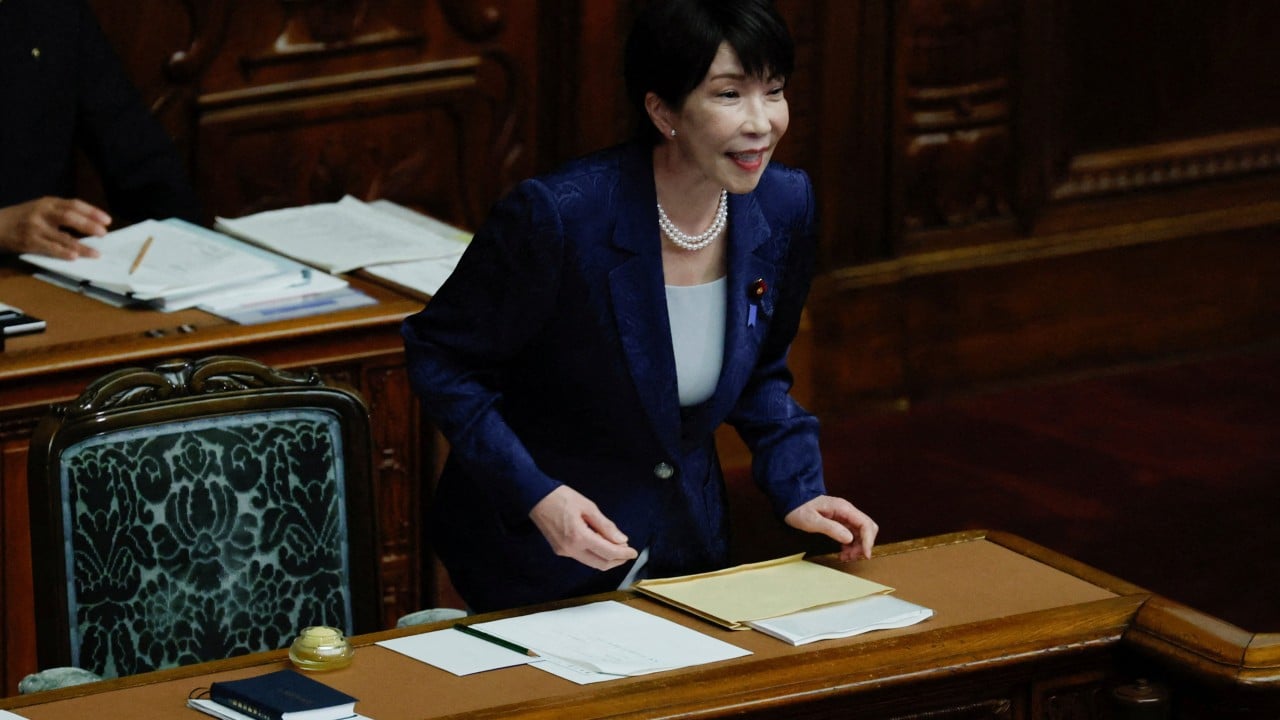
When a world leader skips a critical diplomatic summit, people notice. Japanese Prime Minister Sanae Takaichi found herself on the defensive after missing an online Group of Seven meeting, sparking an immediate political firestorm at home. Opposition parties jumped on the absence, turning a scheduling headache into a full-blown crisis over transparency and diplomatic commitment.
If you watch international politics closely, you know these virtual gatherings carry weight. They aren't casual Zoom chats. They shape global responses to economic shocks, energy crises, and security threats. So why did Japan's leader sit this one out?
The Timeline Problem and Scheduling Chaos
The controversy erupted after Takaichi sat out an emergency G7 leaders' video conference called by France. Instead of logging on from her official residence, she had Senior Deputy Minister for Foreign Affairs Kazuya Endo take her place.
Naturally, critics wanted blood. Opposition lawmakers questioned whether the Prime Minister simply prioritized other events, pointing fingers at a dinner meeting held around the same time. Rumors flew across social media and tabloids, with some wild speculation even suggesting she was out drinking—claims that government officials quickly shut down.
Takaichi pushed back hard against the narrative. She explained in the Diet that the meeting's timing kept shifting, getting finalized only moments before it began. According to her administration, setting up the secure, large-scale monitor and communication infrastructure required for a prime-ministerial G7 link simply couldn't happen on such short notice.
Why the Opposition Won't Let It Go
In Tokyo politics, perception dictates survival. Opposition figures like seasoned lawmakers from the Constitutional Democratic Party weaponized the absence during budget committee sessions. They argued that missing a high-level discussion with global allies sends the wrong signal about Japan's diplomatic reliability.
You have to look at the broader political chessboard here. Takaichi enjoys strong support among younger demographics, but her cabinet navigates a notoriously fickle media landscape. Critics used the G7 incident to paint her inner circle as disorganized. They claimed the
Why Japan Prime Minister Sanae Takaichi Skipped the G7 Meeting and What It Means for Global Diplomacy
news
International diplomacy lives on optics. When a leader skips a major summit, cables buzz, ambassadors sweat, and pundits start spinning wild theories about fractured alliances. That is exactly what happened when Japanese Prime Minister Sanae Takaichi opted out of a recent G7 online meeting.
Naturally, the mainstream commentary immediately rushed to frame this as a diplomatic snub or an indicator of weakening international ties. But if you look past the standard media panic, a different picture emerges. Takaichi didn't miss the screen-time because she was dodging tough questions. She skipped it because domestic political survival in Tokyo currently demands an entirely different playbook.
The Domestic Pressure Cooker Tokyo Ignores at Its Peril
Foreign policy looks clean from a distance. Up close, it is messy, exhausting, and completely secondary to whether voters think you can manage inflation at home.
When Takaichi took the helm, she inherited a fractured party base and a public furious over rising living costs. Skipping a virtual G7 leaders' gathering isn't something a prime minister does on a whim. It signals a calculated pivot toward immediate domestic consolidation. Japan's political landscape is punishing right now. If you spend your time chasing virtual summit attendance while ignoring local grocery prices and Diet negotiations, you won't last long enough to attend the next in-person handshake.
Critics scream that missing these sessions damages Japan's standing among Western allies. They forget that the G7 has evolved into a talk shop for leaders facing their own domestic approval ratings crises. A virtual meeting lacks the backchannel weight of a closed-door summit in a European castle or an Asian metropolis. Sitting behind a monitor while your domestic agenda burns back home is bad politics. Takaichi knows this. She chose the Diet over the screen.
Reading Between the Lines of Regional Security
Look at the regional chessboard. Japan sits in one of the most volatile neighborhoods on earth. Beijing is watching every move, Pyongyang keeps launching missiles for effect, and domestic defense spending debates are tearing Japanese politics apart from the inside.
When Tokyo pulls back from a multilateral check-in, analysts jump to conclusions about shifting security stances. They shouldn't. Japan's security commitments to its core partners remain locked in stone. The Maritime Self-Defense Force isn't suddenly pulling out of joint patrols. The defense budget isn't shrinking.
What is changing is Japan's tolerance for redundant diplomatic theater. Takaichi represents a harder-edged, more pragmatic nationalist faction within Japanese politics. She cares about hard power and direct bilateral agreements rather than multilateral communiqués that end up recycled in the press. If skipping a call allows her administration to lock down a crucial domestic policy win or signal strategic independence to domestic nationalists, it is a trade she will make every single time.
The Real Cost of Skipping the Table
Let's be honest about the downsides. Opting out of international coordination leaves a vacuum.
When major economies align on supply chain resilience, semiconductor controls, or responses to regional flashpoints, every seat at the virtual table matters. By stepping away from this specific engagement, Takaichi handed her critics an easy talking point. She gave opposition lawmakers fresh ammunition to argue that Japan is turning inward at the worst possible moment.
Diplomacy is a game of accumulating chips. Every time you skip a meeting, you cash some in. Other G7 leaders notice who logs on and who leaves early. Chancellor Scholz, President Biden, and European counterparts take mental notes. Trust isn't broken overnight by a single missed video call, but chronic absence breeds quiet exclusion from the informal inner circles where real compromises happen.
What Comes Next for Tokyo Foreign Policy
Don't expect Takaichi to make a habit of missing international engagements. This was a targeted tactical choice, not a permanent strategic withdrawal from the West.
The real test will happen during the next physical G7 summit. That is where face-to-face diplomacy actually counts. If she skips an in-person gathering, panic will be justified. Until then, treat this episode for what it was: a sharp reminder that foreign policy is always downstream of domestic politics.
Stop reading grand geopolitical conspiracies into scheduling conflicts. Leaders make hard choices about where to spend political capital every single day. Takaichi decided her capital was better spent at home. Now she has to deliver the domestic wins that justify the absence. Keep your eyes on her domestic approval ratings and the upcoming legislative battles in Tokyo. That is where the real story is unfolding.