Walk into Saint Peter’s Church on Lexington Avenue in Manhattan on a Sunday evening, and you will find the exact spot where jazz goes to church. The pews are filled not with silent worshippers staring at hymnals, but with listeners leaning forward to catch the subtle brushwork of a snare drum echoing off concrete walls. For over half a century, sacred spaces across the world have acted as the ultimate sanctuary for improvised music, offering acoustic perfection, late-night refuge, and financial survival when commercial nightclubs shut their doors.
Most music fans treat the phrase where jazz goes to church as a poetic metaphor for spiritual uplift or the gospel roots of hard bop. That reading misses the gritty, logistical reality. Jazz moved into churches because the economics of nightlife collapsed, the acoustics of modern venues turned to mud, and working musicians needed a community that valued the art form more than bar tabs.
The Real Estate Crisis That Pushed Jazz Through the Sanctuary Doors
To understand why a secular, nocturnal art form took root inside houses of worship, follow the money. During the mid-twentieth century, rising urban rents and strict cabaret laws decimated the club circuit in cities like New York, Chicago, and London. Nightclub owners survived on alcohol sales. If a band played a slow, contemplative ballad that kept patrons quiet instead of ordering drinks, the club lost money.
Churches operated under a completely different financial model. Their buildings sat empty on Sunday afternoons, Tuesday nights, and Wednesday evenings. The overhead was already paid by the congregation.
In 1965, Pastor John Garcia Gensel recognized this gap at Saint Peter’s Church in Midtown Manhattan. Gensel, widely known as the Pastor to the Jazz Community, realized that musicians working late nights in clubs could never attend standard Sunday morning services. He launched Jazz Vespers at 5:00 PM on Sundays. It was a masterstroke of practical empathy. Musicians got a welcoming space to play without the pressure of drink minimums, and the church filled its sanctuary during dead hours.
This was not an isolated experiment. Across the Atlantic, London’s St Giles-in-the-Fields and St James’s Piccadilly began hosting regular jazz concerts to fund building maintenance while offering musicians a dignified stage. In New Orleans, historic parishes opened their doors for benefit concerts and memorial services that kept traditional brass bands employed outside of tourist traps.
The Acoustic Secret Sound Engineers Rarely Mention
Step away from the finances and listen to the room. Modern music venues are built for amplification. They rely on heavy carpeting, foam baffles, and drop ceilings to deaden natural reverberation so sound engineers can control every decibel through a mixing board.
Acoustic jazz dies in dead rooms.
An upright bass needs wood and air to bloom. A ride cymbal needs space to shimmer before decaying. Historic churches—built long before microphones existed—were engineered specifically to carry the unamplified human voice from a pulpit to the back pew. High vaulted ceilings, plaster walls, stone arches, and wooden pews act as a massive, natural resonating chamber.
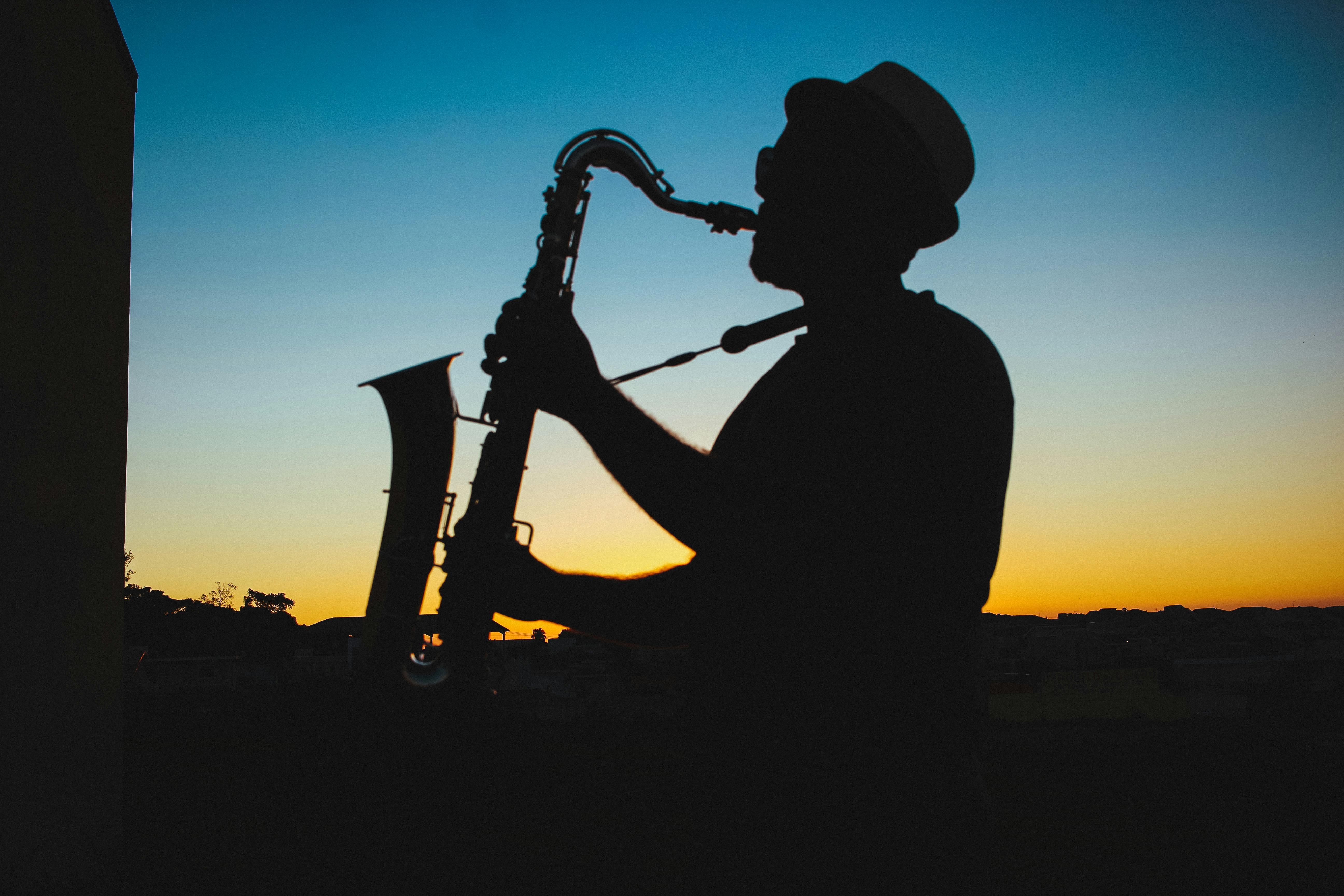
When a tenor saxophone player blows a phrase in a gothic or neoclassical sanctuary, the room plays back. The natural decay time—often stretching between two and four seconds—wraps around the notes, giving a solo horn the weight of an entire section.
Of course, this acoustic generosity cuts both ways. Fast, dense bebop lines can turn into an indistinct wash of noise if a drummer hits too hard. Veteran players learn to adjust. They pull back their volume, leave more silence between phrases, and let the architecture carry the rhythm. The room forces discipline. You cannot fake dynamics when every ghost note on a snare drum travels eighty feet to the balcony.
Sacred Concerts and the Duke Ellington Blueprint
The marriage between jazz and the sanctuary gained permanent artistic legitimacy in September 1965, when Duke Ellington premiered his first Sacred Concert at Grace Cathedral in San Francisco. Ellington was sixty-six years old and had spent four decades conquering ballrooms, theaters, and concert halls. Critics expected a polite, watered-down religious suite.
They got a masterpiece of raw swing and theological weight.
Ellington understood that jazz and the church shared a common ancestor in the Black American experience. The call-and-response patterns of a Baptist sermon were identical to the trading of four-bar phrases between a trumpet and a trombone. Tap dancer Bunny Briggs performed "David Danced Before the Lord with All His Might" right in front of the altar, turning percussion into prayer.
Ellington followed that triumph with two more Sacred Concerts, staged at the Cathedral of St. John the Divine in New York and Westminster Abbey in London. He proved that sacred spaces did not require musicians to sanitize their sound. By bringing full big bands, gospel choirs, and liturgical dancers into monumental cathedrals, Ellington created a blueprint that thousands of churches still follow during annual jazz festivals and holiday services.
The Friction Inside the Pews
It would be dishonest to pretend this alliance has always been smooth. Bringing jazz into religious spaces triggers fierce debates over identity, decorum, and control.
For decades, traditionalists inside many denominations viewed jazz as the devil's music—an association born in the brothels and speakeasies of the 1920s. Even progressive congregations sometimes balked at the realities of hosting working jazz musicians. Smoke breaks on the front steps, musicians arriving late from an earlier gig, and audiences clapping wildly after a bass solo during a liturgy clashed with centuries of rigid church etiquette.
Musicians faced their own compromises. Playing a church gig often meant accepting lower pay than a corporate event or a sold-out theater show. Some players felt boxed in by unspoken expectations to keep the music "spiritual" or melodic, avoiding the harsh, dissonant edges of free jazz and avant-garde improvisation.
Consider a hypothetical example of how this tension plays out on a typical Sunday. A young quartet books a vespers service expecting to debut complex, angular compositions influenced by modern European improvisation. Halfway through the set, they realize the regular congregation expects recognizable hymns arranged with a gentle swing feel. The band has to decide in real time whether to stick to their artistic guns or serve the room they were invited into. That friction is constant, and pretending it does not exist flattens the real story of how these partnerships survive.
Beyond Sunday Vespers The Modern Sanctuary Circuit
Today, the concept of where jazz goes to church has expanded far beyond Sunday afternoon services. Facing declining weekly attendance and soaring property taxes, urban churches have quietly become some of the most reliable independent concert promoters in the world.
In cities across North America and Europe, historic sanctuaries now function as premier listening rooms for touring artists who refuse to play noisy bars. Look at the tour routing for major contemporary jazz figures—from acoustic trios to solo pianists—and you will see a steady string of Unitarian churches, Presbyterian sanctuaries, and converted chapels on the itinerary.
These spaces solve the biggest problem plaguing live music in the streaming era: audience distraction. People behave differently when they sit in a pew beneath stained glass. Phones stay in pockets. Conversations stop before the first note is played. The architecture demands attention, creating a feedback loop of focus between the stage and the seats that commercial clubs can rarely replicate.
Furthermore, church basements and fellowship halls remain the primary incubators for the next generation of players. While conservatories charge tens of thousands of dollars in tuition, neighborhood churches host weekly jam sessions, community big band rehearsals, and affordable music lessons. In Harlem, Chicago’s South Side, and South London, the church basement is still where a teenager learns how to lock in with a rhythm section without going broke.
How to Experience Sacred Jazz Without Missing the Point
If you want to experience this intersection firsthand, skip the overpriced commercial dinner clubs on your next trip to a major jazz city and check the local parish listings instead. Look for Jazz Vespers programs, midweek sanctuary concert series, or annual sacred music festivals.
Arrive at least twenty minutes early. Sit roughly two-thirds of the way back from the altar—close enough to see the musicians' hands, far enough back to let the natural acoustics of the ceiling blend the instruments together. Bring cash for the offering plate or donation basket, because these programs survive on direct community support rather than corporate sponsorships.
When the music starts, listen to the space between the notes. You are hearing an art form that survived prohibition, segregation, changing pop trends, and urban gentrification by finding shelter in the one place that understood its true currency. Jazz did not go to church to be saved; it went to church because the doors were unlocked, the acoustics were honest, and the people inside knew how to listen.