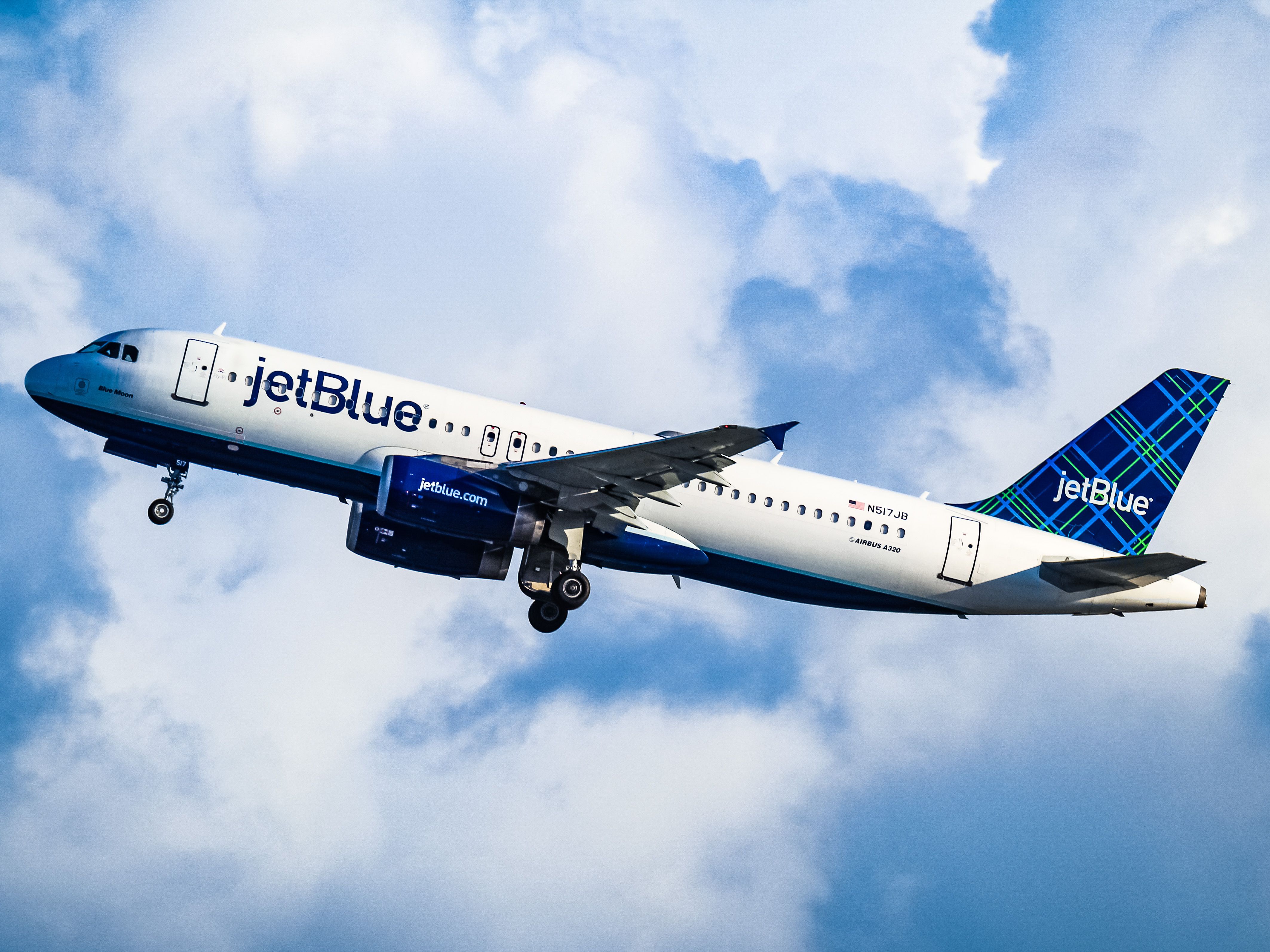
JetBlue put a shiny new label on domestic first class. Calls it BlueFirst. Puts it on sale. And the aviation press cheers like a low-cost carrier just discovered caviar.
Slow down. Take a breath. Look at the math. For a closer look into this area, we recommend: this related article.
When an airline that built its identity on cheap fares, live television, and pleasant flight attendants suddenly dresses up a wider domestic recliner and markets it as a premium triumph, you have to ask a hard question. Is this a real commercial shift? Or is it a well-timed PR distraction from deeper operational headaches?
Conventional travel coverage treats any new cabin tier as an automatic win for passengers and a guaranteed margin booster for the carrier. More legroom. Bigger screens. Priority boarding. Sounds great in a press release. For broader context on this topic, comprehensive analysis is available at National Geographic Travel.
In airline economics, however, slapping a premium badge onto a domestic seat does not magically fix network exposure, aircraft utilization, or unit cost discipline. Domestic first class on narrowbody jets is one of the oldest, most misunderstood products in commercial aviation. Calling it BlueFirst changes the branding. It does not repeal the physics of seat pitch, belly space, or turn times.
The Lazy Consensus Around Domestic First Class
Read standard airline coverage and you hear the same refrain every time a carrier refreshes its front cabin. Airlines are chasing high-yield flyers. Premium cabins drive profit. Therefore, launching a named domestic first-class product is smart strategy.
That argument sounds tidy. It is also incomplete.
In commercial aviation, yield measures average fare paid per passenger mile, while RASM (revenue per available seat mile) measures total passenger revenue spread across every seat flown. A higher ticket price on twelve or sixteen front-row seats looks impressive on a booking screen. Yet an airline makes or breaks its balance sheet on the entire fuselage, flight after flight, across congested hubs and weather-prone corridors.
Domestic first class on short- and medium-haul routes rarely operates like long-haul international business class. On a two-hour hop, travelers care far more about whether the plane leaves on time, whether the Wi-Fi works without dropping every ten minutes, and whether a two-hour delay ruins a connection than whether their seat cushion has an extra inch of foam.
I have watched carriers spend millions reconfiguring cabins only to discover that flyers still defect when schedule reliability slips. A nicer seat at gate B14 does not make a three-hour ground stop feel shorter. If anything, sitting in a wider chair while staring at the same tarmac makes the delay feel more expensive.
What "People Also Ask" Gets Wrong About BlueFirst
When travelers and casual observers search about a product launch like BlueFirst, the same questions pop up repeatedly. Most of them start from a flawed premise.
- "Is domestic first class worth paying extra for on short flights?" Usually, no—unless you value priority airport perks, checked bag allowances, or extra personal space enough to treat it like a convenience bundle rather than true luxury. On a ninety-minute flight, the time savings and comfort delta are modest. Paying double or triple the base fare for a slightly wider seat and a drink service that gets rushed by turbulence is a math problem most leisure flyers lose.
- "Does a new first-class cabin mean JetBlue is becoming a full-service legacy airline?" No. Branding is not business-model transformation. Legacy carriers like Delta, United, and American operate vast global networks, deep corporate contracts, loyalty ecosystems tied to massive credit card portfolios, and widebody fleets spanning continents. Renaming a domestic front cabin does not turn a point-to-point and focus-city carrier into a legacy giant overnight.
- "Will BlueFirst immediately boost airline profitability?" A new fare tier can lift ancillary or cabin revenue on select routes, especially transcontinental or leisure-heavy markets where flyers willingly pay up. Still, cabin refreshes do not cure structural cost pressures, maintenance bottlenecks, or tight airspace capacity by themselves.
Why JetBlue Chose This Moment to Pitch BlueFirst
Airlines rarely roll out shiny cabin names in a vacuum. Every commercial move reflects pressures inside the operation.
For years, JetBlue stood apart in U.S. domestic aviation. Founder David Neeleman and the early leadership team built a carrier that challenged stodgy incumbents with leather seats, seatback screens, and a human touch—without pretending to be a five-star luxury hotel in the sky. Over time, industry dynamics shifted. Legacy carriers got sharper with basic economy and premium segmentation. Ultra-low-cost carriers pressured fares on leisure routes. Meanwhile, operational disruptions, fleet availability issues, and fierce competition in key Northeast and Florida markets tested margins.
Putting BlueFirst on sale gives the airline something tangible to talk about besides delays, capacity tweaks, or route cuts. Marketing teams love a clean story. A distinct name lets sales channels upsell travelers who might otherwise buy coach or standard extra-legroom seats.
Consider what happens in a typical booking flow. A traveler searches for a flight from New York to Fort Lauderdale or Los Angeles. They see blue economy options, extra legroom, and now BlueFirst sitting clearly at the top as a defined first-class tier. Naming the tier reduces ambiguity. Customers know immediately that it sits above standard coach and extra-legroom seating.
There is real commercial logic in clear product ladders. Confused shoppers hesitate or pick the cheapest option. Clear tiers invite upgrades.
Yet clarity on a checkout screen is not the same thing as competitive superiority in the air. Competitors already have well-established front-cabin brands that frequent flyers recognize, trust, and redeem miles toward. Winning those travelers requires more than a fresh label. It requires consistent execution every single day.
The Cabin Math Nobody Wants to Say Out Loud
Let’s talk about the real trade-off inside a narrowbody jet. Space is finite. Weight is finite. Turnaround time on the ground is finite.
Every square inch given to a wider domestic first-class seat reduces the total number of seats on the aircraft—or squeezes the rows behind it. Fewer seats per departure means fixed operating costs—crew wages, landing fees, fuel burn per flight hour, airport gate costs—get divided across fewer paying passengers unless the front seats command consistently strong premiums.
Imagine a scenario where a narrowbody aircraft flies four segments in a single day. Suppose twelve or sixteen front seats sell for a healthy markup on two of those flights, go out discounted or upgraded on the third, and sit half-empty on a morning departure. Over the course of the day, the revenue lift looks much smaller than the headline fare suggests.
That is the hidden trap of domestic first-class hype. People look at the highest advertised price and assume every seat sells at that rate. Airlines know better. Revenue management teams balance load factors, corporate discounts, loyalty redemptions, and last-minute walk-up fares constantly.
Even when seats do sell well, domestic service delivery faces brutal physical limits:
- Short flight durations leave flight attendants with tight windows to serve drinks or meals, clear trays, and prep the cabin for landing—especially if the ride gets bumpy.
- Aircraft swaps happen across busy networks. A flyer who pays extra for a specific cabin experience gets furious when a last-minute equipment change alters what they expected.
- Airport bottlenecks outside the aircraft—security lines, gate congestion, baggage delivery—often shape a traveler’s mood far more than seat width.
What Heavy Hitters in Aviation Actually Watch
Ask seasoned airline analysts, fleet planners, or veteran executives—people who have spent decades watching carriers rise, stumble, and restructure—and they rarely get swept away by a new cabin name. Industry veterans like aviation analyst Brett Snyder (Cranky Flier) or long-time commercial aviation observers look past marketing gloss to fundamentals: CASM (cost per available seat mile), fleet reliability, network strength, and balance sheet resilience.
Great airlines win on unglamorous details. Can the plane depart on time? Does the loyalty program keep high-value flyers engaged? Are aircraft flying enough productive hours without getting stuck in maintenance? Does the route network capture high-margin demand without bleeding cash on overlapping flights?
When an airline gets those fundamentals right, almost any cabin product performs better. When those fundamentals lag, even a smartly branded first-class seat becomes lipstick on an operational pig.
Where My Contrarian Take Could Be Wrong
Being contrarian is easy when you sit on the sidelines. Being honest means admitting where the critique has blind spots.
Here is where the pushback against my skepticism has real weight:
- Leisure and transcontinental flyers behave differently than pure commuters. On longer domestic routes or sunny-weather getaways, travelers often treat an upgraded seat as part of the vacation experience from minute one. If BlueFirst captures incremental upgrade revenue from people who otherwise would have stayed in coach, that is real money.
- Brand refresh signals intent. Even if a cabin launch does not solve every operational issue overnight, a recognizable product name helps structure corporate sales, partner promotions, and customer expectations going forward.
- Incremental wins add up. Airlines rarely turn around on one grand gesture. Sometimes a cleaner cabin tier, tighter upsell funnels, and sharper merchandising contribute one piece to a broader recovery.
I could be underestimating how much sheer merchandising clarity helps JetBlue squeeze extra dollars out of existing flights. In a tight-margin business, small revenue lifts matter.
Still, I would not bet the farm on a domestic first-class label alone fixing deep-rooted industry headwinds.
Unconventional Moves That Actually Work for Flyers and Airlines
If you are a traveler trying to outsmart airline pricing—or an airline executive trying to build durable advantage—stop worshipping cabin labels and start acting like a sharp operator.
For Travelers: Stop Buying Hype, Buy Reliability and Value
- Price the delta, not the prestige. Compare the exact cash difference between coach, extra legroom, and BlueFirst on that specific route. If the gap is modest on a three-hour-plus flight and you value the extra width and perks, go for it. If the gap is huge on a short hop, keep your money and buy a great meal at your destination.
- Prioritize schedule and direct routings. A nonstop flight that gets you there cleanly beats a "fancier" seat on a risky connection almost every time. Delays erase cabin comfort faster than anything else.
- Check aircraft and cabin consistency before paying up. Know what you are actually buying on that specific flight number so expectations match reality on boarding day.
For Airlines: Fix the Core Before Celebrating the Trim
- Obsess over departure reliability. Nothing builds trust like a plane that leaves when it says it will. Operational consistency is the highest-returning marketing campaign an airline can run.
- Protect the core value proposition. Do not lose the approachable, customer-friendly spirit that made flyers like the airline in the first place while chasing upscale tiers.
- Price upgrades dynamically and transparently. Make the step-up from coach to extra legroom to BlueFirst make obvious sense to real buyers, without turning checkout into a confusing maze of fees.
BlueFirst is on sale. Travelers will book it. Rival outlets will write breathless summaries of every seat feature and amenity.
None of that changes the hardest truth in commercial aviation: a shiny first-class badge cannot outfly a shaky schedule or bad unit economics. Execute the basics ruthlessly, or the cabin won't save you.